How a Greek kingdom became a contested crossroads of empires and national identities
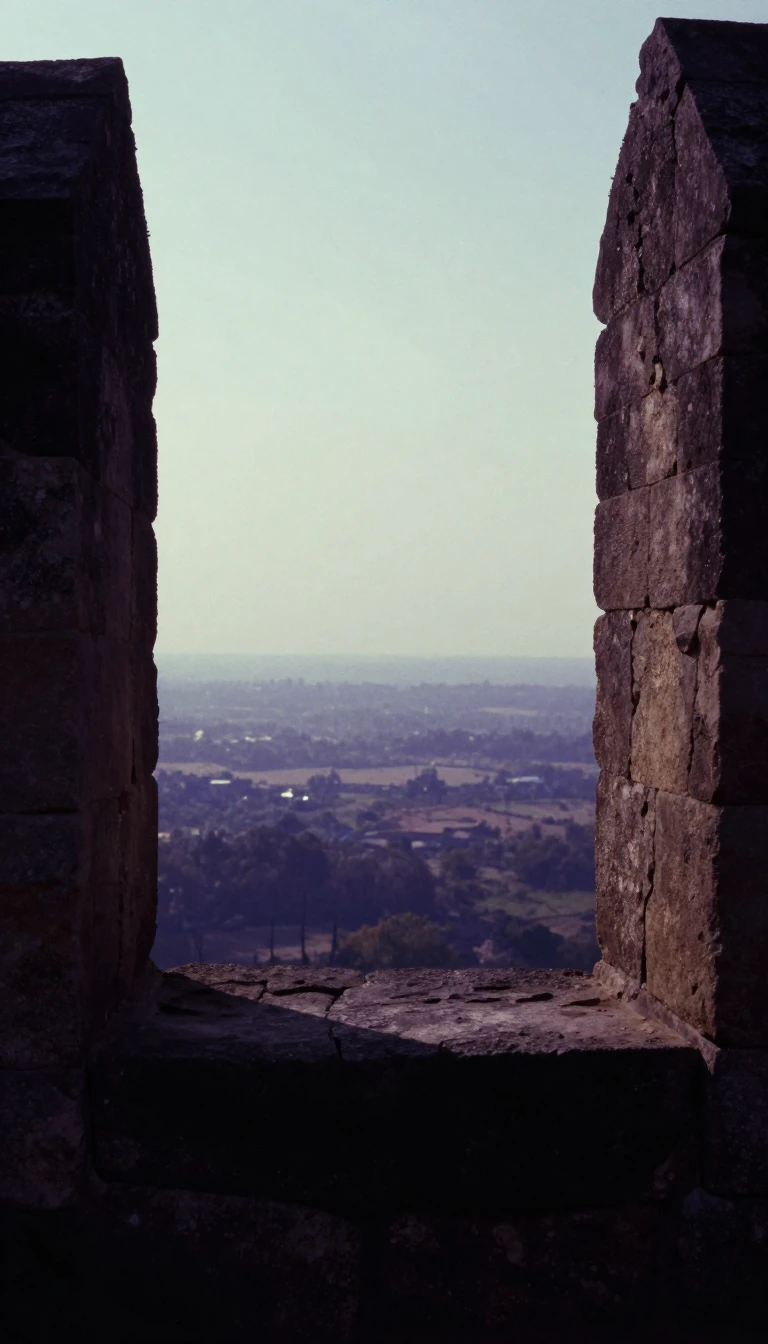
In short: Macedonia is more than a geographic region; it is a historical palimpsest. From the ancient kingdom of Philip II and Alexander the Great to a centuries-long Ottoman province, this mountainous land has been a flashpoint for shifting borders, nationalist movements, and the complex evolution of modern Greek identity.
The region of Macedonia has roots stretching back to the Bronze Age, but its historical identity was forged by the Argead dynasty. Centered in Aigai and later Pella, the kingdom of Macedon reached its zenith under Philip II and his son Alexander the Great, whose conquests spanned from Greece to India. Following Alexander's death in 323 BC, the region became a battleground for his successors, the Diadochi, before eventually falling to Rome in 148 BC. Throughout the Byzantine era, the territory was repeatedly reshaped by administrative reforms and invasions, eventually disappearing as a formal designation for several centuries under Ottoman rule.
The nineteenth century saw the revival of the name Macedonia, fueled by the rise of nationalism within the Ottoman Empire. As the region became a focal point for competing claims from Greece, Bulgaria, and Serbia, the term became deeply politicized. The Balkan Wars and the 1913 Treaty of Bucharest finally integrated the southern portion of the region into the Greek state. This transition was not merely territorial; it involved profound social shifts, as Slavic-speaking communities—who had previously identified primarily by village or religious affiliation—were increasingly drawn into opposing national camps.
Today, Macedonia remains a vital economic and cultural hub for Greece. Thessaloniki, the region's metropolis, serves as a major commercial center, while the landscape hosts significant archaeological sites like Aigai and Pella. Despite its modern integration, the region’s history continues to resonate through its complex administrative divisions and the legacy of the 'Macedonian Struggle' (1904–1908). The area remains a testament to the enduring influence of its ancient past, even as it navigates the modern realities of European borders and the long-standing, often contested, narratives of its diverse inhabitants.
Opens the Intellect+ feed with this card first. Swipe up for the next one.
Sources
- Summary by Intellect · source: Macedonia (Greece)
To cite this card, link to https://intellectplus.co.uk/app/history-macedonia-greece.
How we source, check and correct cards: Editorial standards.
General information, not professional advice. Spotted an error? Flag the card or see corrections and complaints.
Intellect Plus is a visual educational discovery platform for exploring fascinating facts and ideas. Brain Food, Not Brain Rot. What is Intellect Plus?
Related
More in Empires & civilisations · More in History · Latest · A–Z · All topics
