Why Rio de Janeiro was named after a river that does not exist
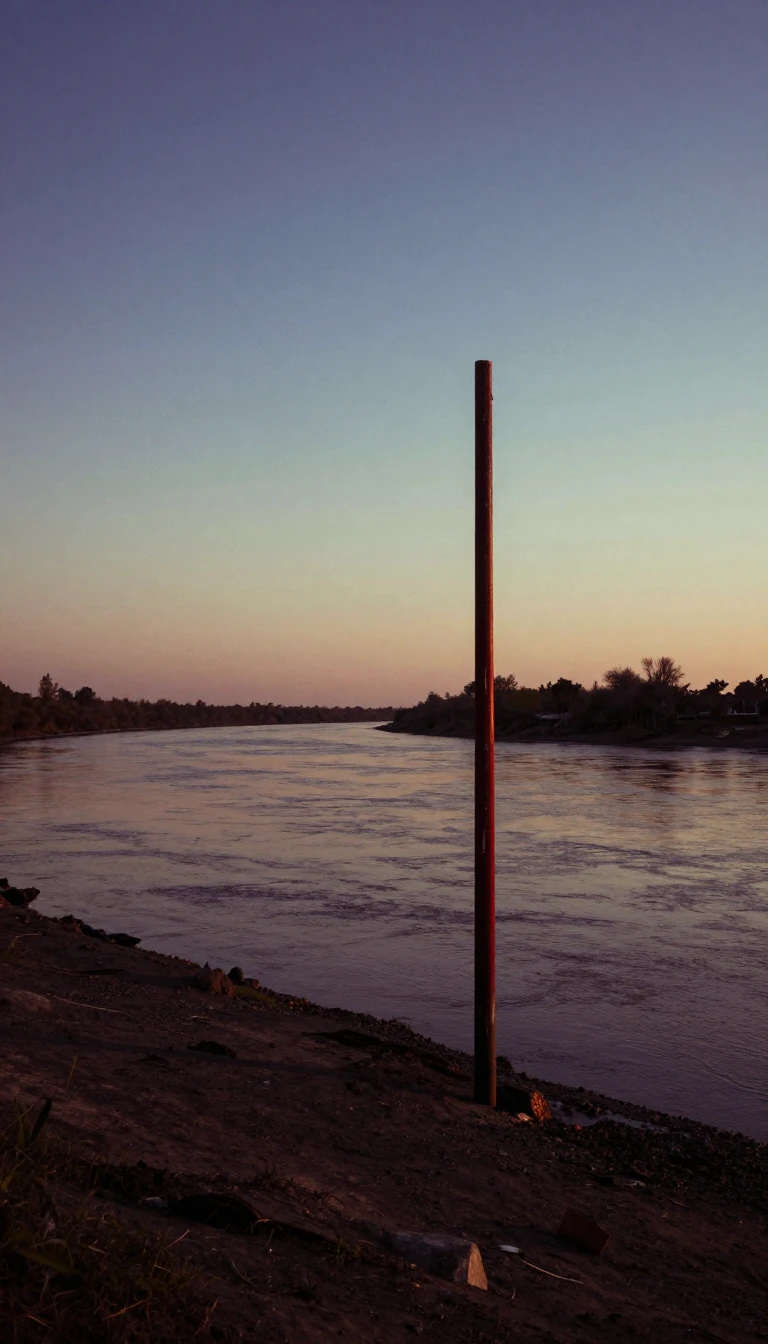
In short: Portuguese navigators arrived at Guanabara Bay on January 1, 1502, and mistakenly identified the entrance as a river mouth. This error birthed the name Rio de Janeiro, or January River. Despite this geographical misunderstanding, the city evolved from a colonial port into a global icon of Brazilian culture and beauty.
The city’s origins are rooted in a navigational miscalculation. When Portuguese explorers reached the bay in 1502, they assumed the massive inlet was a river, leading to the name that persists today. By 1565, the settlement was formally established and dedicated to Saint Sebastian and the Portuguese King Sebastian. For centuries, the city served as a strategic gateway, eventually becoming the colonial capital in 1763. Its importance surged in the 18th century as it became the primary export hub for gold and diamonds extracted from the nearby Minas Gerais region.
The city’s status reached its zenith when the Portuguese royal family fled Napoleon’s invasion in 1808, transforming Rio into the only European capital located outside of Europe. This influx of nobility fundamentally altered the city's character, cementing its role as the national capital through the transition from empire to republic in 1889. It remained the seat of power until 1960, when the government shifted to the newly constructed, inland capital of Brasília. This transition forced Rio to reinvent itself, moving away from its role as a political hub to focus on its identity as a center for tourism, finance, and culture.
Today, Rio is distinct from other major Brazilian urban centers like São Paulo or Brasília. While those cities are situated on flat interior plateaus, Rio is defined by its dramatic topography of peaks, ridges, and tropical forests meeting the Atlantic. Although it lost its status as the national capital and the associated federal funding, the city has thrived as a global symbol of Brazil. Residents, known as Cariocas, increasingly view their home as the nation’s cultural heart, maintaining a festive, cosmopolitan atmosphere that continues to distinguish the city on the world stage.
Opens the Intellect+ feed with this card first. Swipe up for the next one.
Sources
- Summary by Intellect · source: Rio de Janeiro | History, Population, Map, Climate, & Facts | Britannica
- Also: History of Rio de Janeiro
To cite this card, link to https://intellectplus.co.uk/app/history-history-of-rio-de-janeiro.
How we source, check and correct cards: Editorial standards.
General information, not professional advice. Spotted an error? Flag the card or see corrections and complaints.
Intellect Plus is a visual educational discovery platform for exploring fascinating facts and ideas. Brain Food, Not Brain Rot. What is Intellect Plus?
Related
More in History by country, small region and city · More in History · Latest · A–Z · All topics
