How a Jesuit mission became the industrial locomotive of the Southern Hemisphere
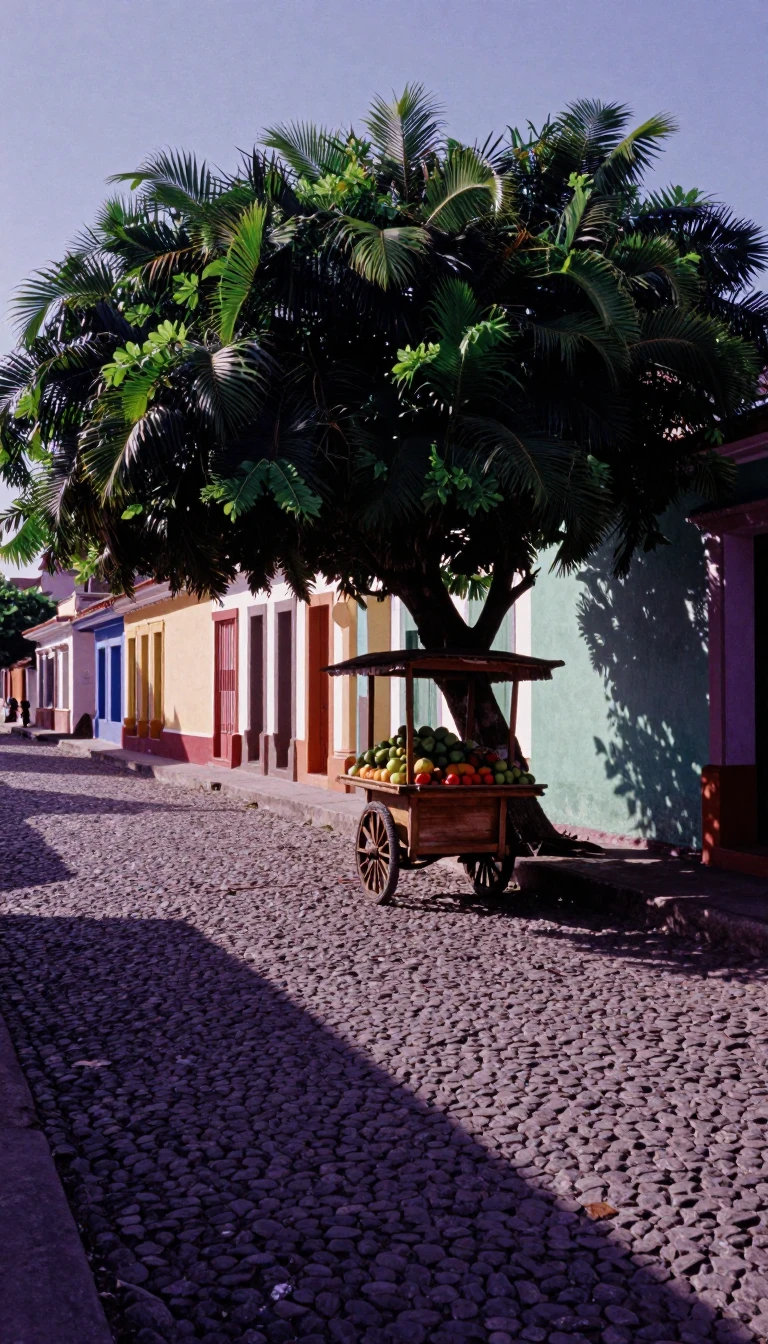
In short: Founded on a remote plateau in 1554, São Paulo spent centuries in the shadow of Rio de Janeiro. It was only the late 19th-century coffee boom that transformed this quiet missionary outpost into a sprawling, steel-clad megametropolis, now serving as the undisputed economic heart of Latin America.
The story of São Paulo begins on January 25, 1554, when Jesuit missionaries established a settlement on the anniversary of St. Paul's conversion. For its first three centuries, the city remained a relatively modest commercial center, consistently overshadowed by the coastal prominence of Rio de Janeiro. While the region had been inhabited by indigenous groups for millennia—with archaeological evidence at the Morumbi site dating back 5,500 years—the colonial village itself grew slowly, leaving behind almost no architectural footprint from its earliest eras.
The city's dramatic pivot occurred in the late 19th century, driven by the rise of coffee as Brazil’s vital export. This economic surge triggered massive internal and international migration, fueling rapid industrialization that allowed São Paulo to close the development gap with Rio de Janeiro. By the 1940s and 1950s, the city had earned its reputation as the 'locomotive' of Brazil. Today, it is a vast, high-density urban landscape characterized by an eclectic mix of modern glass, steel, and marble skyscrapers, housing over 12 million people in the city proper and nearly 20 million in the greater metropolitan region.
Despite its reputation as a place built primarily for work rather than leisure, the 21st century has brought a cultural revitalization. Following 2006 legislation that removed outdoor advertising, the city’s architecture has become a canvas for massive street art. While it continues to grapple with the challenges of extreme inequality and rapid growth, São Paulo remains a dynamic, ever-changing hub. It is a city that constantly reinvents itself, turning its industrial origins into a complex, modern identity that defines the contemporary Brazilian experience.
Opens the Intellect+ feed with this card first. Swipe up for the next one.
Sources
- Summary by Intellect · source: Sao Paulo | History, Population, Pronunciation, & Facts | Britannica
- Also: History of São Paulo
To cite this card, link to https://intellectplus.co.uk/app/history-history-of-s-o-paulo.
How we source, check and correct cards: Editorial standards.
General information, not professional advice. Spotted an error? Flag the card or see corrections and complaints.
Intellect Plus is a visual educational discovery platform for exploring fascinating facts and ideas. Brain Food, Not Brain Rot. What is Intellect Plus?
Related
More in History by country, small region and city · More in History · Latest · A–Z · All topics
