Why the heart of the Indo-Gangetic Plain defined the history of northern India
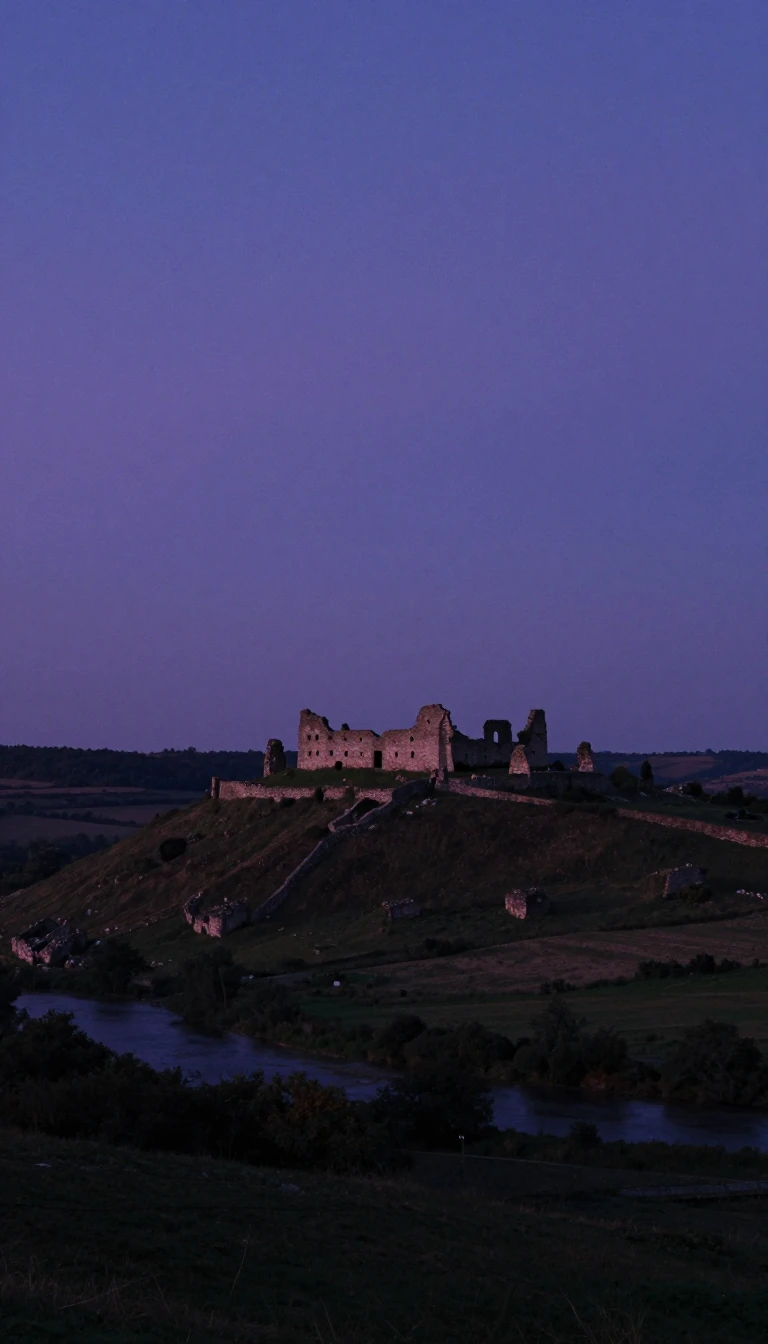
In short: Positioned at the center of the Indo-Gangetic Plain, Uttar Pradesh has served as the vital focal point for northern India’s major empires for millennia. From prehistoric settlements to the zenith of the Mughal dynasty, this region’s strategic importance shaped the political, cultural, and religious trajectory of the entire subcontinent.
The history of Uttar Pradesh is traditionally categorized into five distinct epochs: prehistory, the Buddhist-Hindu period, the Muslim era, the British period, and the post-independence era. Archaeological evidence reveals human habitation in the region dating back to approximately 10,000 BCE in the Pratapgarh area. By the 7th century BCE, the region had become a central stage for the sixteen mahajanapadas, or great states, seven of which were situated entirely within the state's modern borders. This era also saw the rise of the Vedic religion, which evolved into classical Hinduism, while the Buddha famously delivered his first sermon at Sarnath.
During the classical period, the region was often controlled by powers centered in Magadha or Ujjain, though it later hosted the capital of the emperor Harsha at Kannauj in the 7th century CE. Following Harsha's death, a revival of Hinduism occurred, led by the philosopher Shankara. By the 12th century, Muslim rule was established, eventually leading to the rise of the Mughal Empire in 1526 under Bābur. This period, centered in what is now Uttar Pradesh, fostered a unique composite culture that blended diverse artistic, literary, and religious traditions.
The Mughal influence reached its peak under Akbar, who built Fatehpur Sikri, and Shah Jahān, who commissioned the Taj Mahal in Agra. As the Mughal Empire declined in the 18th century, the cultural center shifted to Lucknow. The region's significance persisted through the British Raj and into the modern era, serving as a crucible for movements that would define the nation's identity. Today, the state stands as a testament to the layered civilizations that have competed for and occupied its fertile plains for thousands of years.
Opens the Intellect+ feed with this card first. Swipe up for the next one.
Sources
- Summary by Intellect · source: Uttar Pradesh - Ancient History, Mughal Rule, British Raj | Britannica
- Also: History of Uttar Pradesh
To cite this card, link to https://intellectplus.co.uk/app/history-history-of-uttar-pradesh.
How we source, check and correct cards: Editorial standards.
General information, not professional advice. Spotted an error? Flag the card or see corrections and complaints.
Intellect Plus is a visual educational discovery platform for exploring fascinating facts and ideas. Brain Food, Not Brain Rot. What is Intellect Plus?
Related
More in History by country, small region and city · More in History · Latest · A–Z · All topics
