The ancient engineering feat that saved cities from their own waste
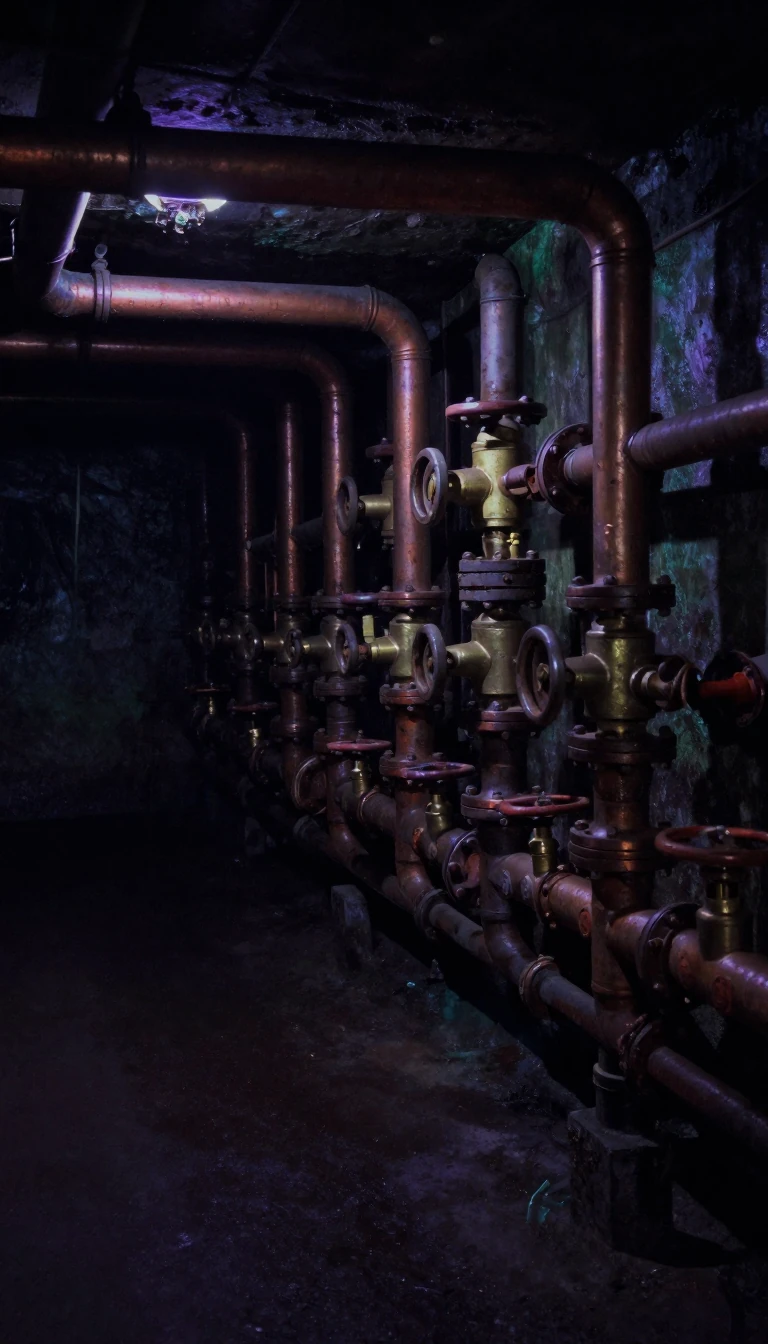
In short: Long before modern medicine, civilizations realized that moving waste away from homes was a matter of survival. While early cities relied on simple cesspits, the Indus Valley civilization pioneered sophisticated brick-lined drains as early as 2000 BC. Today, we face a different challenge: maintaining these massive, aging underground networks.
The primary driver for early sewage systems was not an understanding of pathogens, but the simple desire to eliminate foul odors. As populations concentrated in major cities, natural waterways became overwhelmed by waste. The Indus Valley civilization, around 2000 BC, established the first systematic approach, utilizing brick-lined drains that connected directly to home toilets. Later, Rome and Constantinople expanded these concepts into complex networks, some of which remain functional today. It was only after these systems were operational that the public health benefits became apparent.
Modern sewerage infrastructure faces significant degradation due to factors like root intrusion, joint displacement, and biogenic sulfide corrosion caused by hydrogen sulfide. This deterioration leads to massive environmental risks; for instance, Germany sees an estimated 500 million cubic meters of contaminated water leak into the soil annually. Repairing these systems is a massive financial burden, with annual rehabilitation costs reaching 400 million euros in Los Angeles County and 100 million euros in Germany.
Engineers employ various techniques to rehabilitate concrete structures, often using calcium aluminate cement. Methods range from low-pressure wet spraying for short distances to high-pressure dry shotcrete, which can transport material over 800 meters, as demonstrated in Australia in 2014. For manholes where human entry is hazardous, spinning head sprayers allow for remote, unmanned consolidation. Despite these advancements, the infrastructure continues to impact the environment; in Belgium, for example, the diversion of rainwater into sewer systems has contributed to a 100-meter drop in the water table.
Today, management strategies are evolving to handle the complexities of urban growth and climate change. Many European nations have achieved near-universal connectivity, with 99% of the population in the Netherlands connected to national systems. Future approaches focus on separating surface runoff from sewage and managing greywater and blackwater independently to improve resilience against extreme weather events.
Opens the Intellect+ feed with this card first. Swipe up for the next one.
Sources
- Summary by Intellect · source: Sewerage
To cite this card, link to https://intellectplus.co.uk/app/technology-sewerage.
How we source, check and correct cards: Editorial standards.
General information, not professional advice. Spotted an error? Flag the card or see corrections and complaints.
Intellect Plus is a visual educational discovery platform for exploring fascinating facts and ideas. Brain Food, Not Brain Rot. What is Intellect Plus?
Related
More in Industry · More in Technology · Latest · A–Z · All topics
