Can a modern spiritual movement truly revive the religious practices of ancient Egypt?
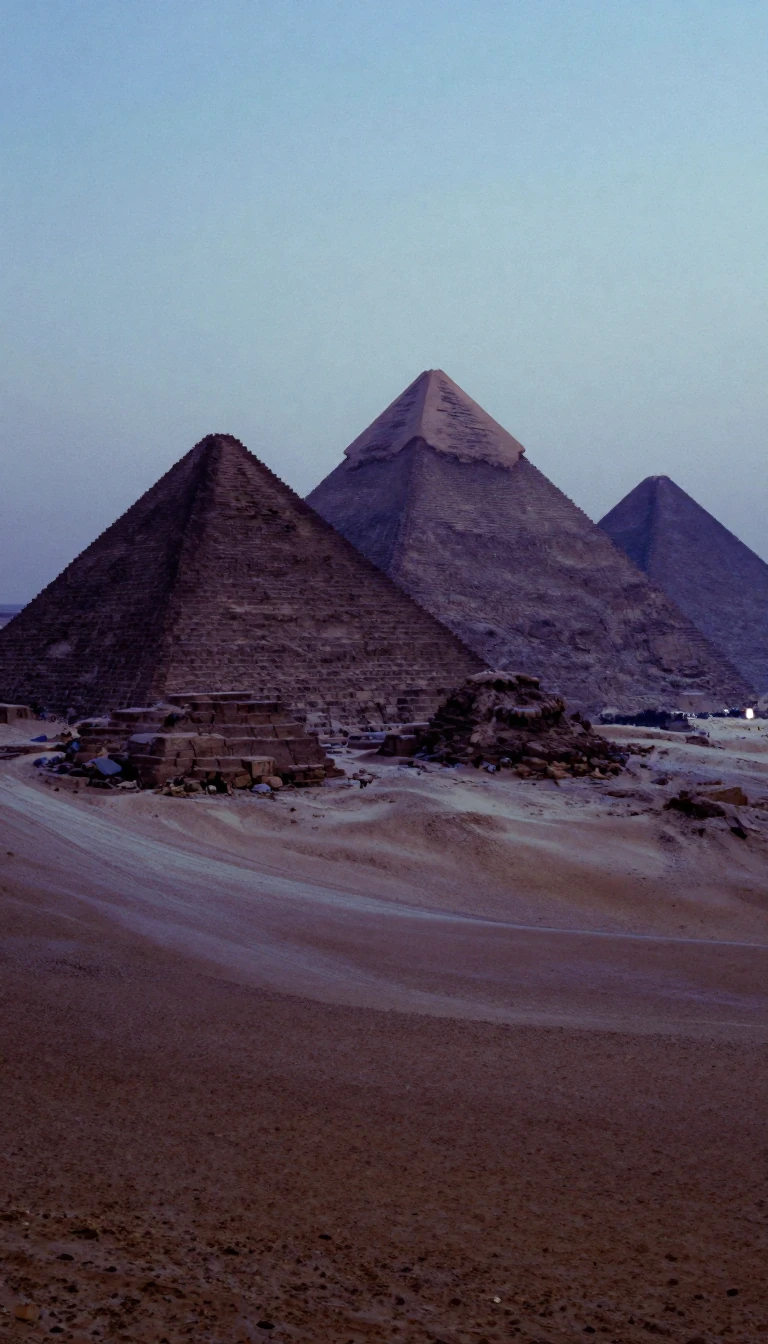
In short: Kemetism is a contemporary neopagan faith that draws inspiration from the belief systems of ancient Egypt. Emerging in the 1970s, this movement encompasses a diverse spectrum of practitioners, ranging from those who reconstruct historical rituals to those who adopt a more monotheistic approach to the divine, known as Kemetic Orthodoxy.
Kemetism, sometimes referred to as Kemetic paganism or Neterism, represents a modern effort to engage with the spiritual heritage of the Nile Valley. The term itself is derived from Kemet, the ancient name for Egypt, and those who identify with the movement are known as Kemetists. While the religion is rooted in the distant past, it is a distinctly modern phenomenon, having first appeared in the 1970s as part of the broader neopagan revival.
The movement is far from monolithic, characterized by a wide variety of interpretations and practices. Practitioners generally fall into three primary categories based on their theological orientation. Some groups focus on reconstructionism, attempting to adhere as closely as possible to historical evidence and ancient traditions. Others favor a more eclectic approach, blending various influences, while a third group, Kemetic Orthodoxy, emphasizes a more structured, monotheistic framework. This diversity reflects the challenge of translating ancient, context-dependent belief systems into a contemporary spiritual practice.
The term Neterism is also occasionally used, drawing from the Egyptian word netjer, which translates to god. This linguistic connection highlights the movement's focus on the divine entities of the ancient world. Because Kemetism is a modern construct rather than a direct, unbroken lineage from antiquity, it remains a subject of ongoing development. Practitioners must navigate the gap between historical scholarship and personal spiritual experience, making it a unique case study in how ancient cultures continue to shape modern identity and belief in the twenty-first century.
Ultimately, Kemetism serves as a bridge between the ancient and the modern. By seeking to honor the gods of Kemet, followers are not merely engaging in historical reenactment but are actively constructing a new religious identity. Whether through the rigorous study of ancient texts or the adoption of syncretic practices, Kemetists demonstrate the enduring power of ancient Egyptian mythology to inspire and inform contemporary spiritual life.
Opens the Intellect+ feed with this card first. Swipe up for the next one.
Sources
- Summary by Intellect · source: Kemetism
To cite this card, link to https://intellectplus.co.uk/app/history-kemetism.
How we source, check and correct cards: Editorial standards.
General information, not professional advice. Spotted an error? Flag the card or see corrections and complaints.
Intellect Plus is a visual educational discovery platform for exploring fascinating facts and ideas. Brain Food, Not Brain Rot. What is Intellect Plus?
Related
More in Empires & civilisations · More in History · Latest · A–Z · All topics
