Why the United States occupied the Dominican Republic for eight years of military rule
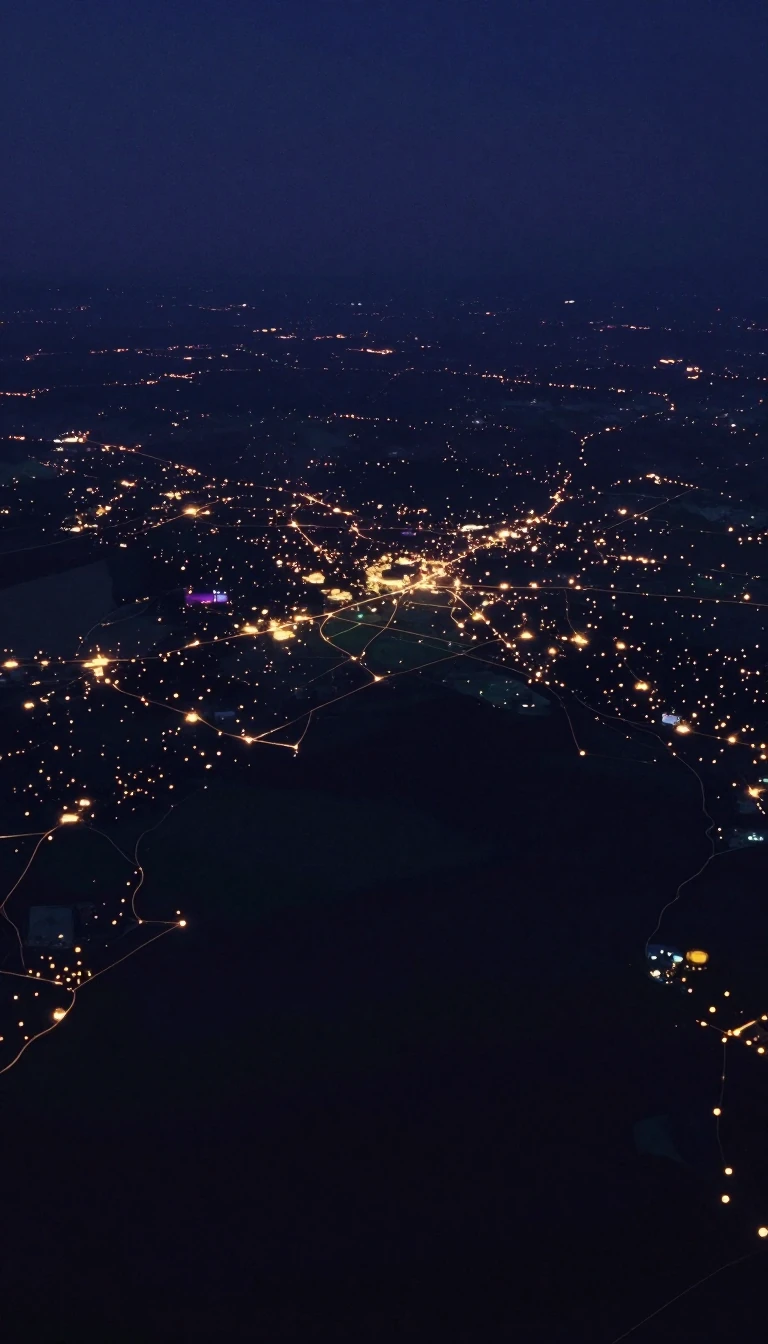
In short: Between 1916 and 1924, the United States established a military government in the Dominican Republic to secure debt repayments and regional stability. While the occupation modernized infrastructure and created a national guard, it sparked fierce local resistance, fueled long-term resentment, and laid the groundwork for future authoritarian rule.
The occupation began in May 1916, triggered by the United States' desire to force the Dominican Republic to settle debts with European creditors. Following the resignation of President Juan Isidro Jimenes, U.S. Marines landed in Santo Domingo to secure the capital. By November 1916, the U.S. had imposed martial law, placing the nation under the command of Captain Harry Shepard Knapp. The military administration focused on centralizing power, balancing the budget, and building roads to facilitate military movement, effectively dismantling the influence of local caudillos.
Resistance was widespread and varied. In the eastern provinces, a guerrilla movement known as the gavilleros fought U.S. forces from 1917 until 1922, eventually forcing a stalemate. Intellectuals and feminists also resisted; the Junta Patriótica de Damas protested the loss of sovereignty, while educators like Rosa Smester Marrero refused to speak English, viewing it as a tool of cultural occupation. By 1921, public opinion in the U.S. shifted against the intervention, leading to the Harding Plan, which outlined a path for withdrawal.
The occupation officially ended on September 18, 1924, following the election of Horacio Vásquez Lajara. However, the legacy of the period remained profound. The U.S. had created the Dominican National Guard, a professional military force that became the power base for the future dictator Rafael Trujillo. Furthermore, the U.S. maintained control over Dominican customs revenues through a 1924 treaty until 1941. According to academic Lorgia García Peña, the occupation deepened economic inequality and entrenched a system favoring foreign corporate interests, leaving a lasting mark on the nation's political and social fabric.
Opens the Intellect+ feed with this card first. Swipe up for the next one.
Sources
- Summary by Intellect · source: Military Government of Santo Domingo
To cite this card, link to https://intellectplus.co.uk/app/history-military-government-of-santo-domingo.
How we source, check and correct cards: Editorial standards.
General information, not professional advice. Spotted an error? Flag the card or see corrections and complaints.
Intellect Plus is a visual educational discovery platform for exploring fascinating facts and ideas. Brain Food, Not Brain Rot. What is Intellect Plus?
Related
More in Modern (1800-1945) · More in History · Latest · A–Z · All topics
