Why the ancient Kushite rulers built hundreds of pyramids in the Sudanese desert
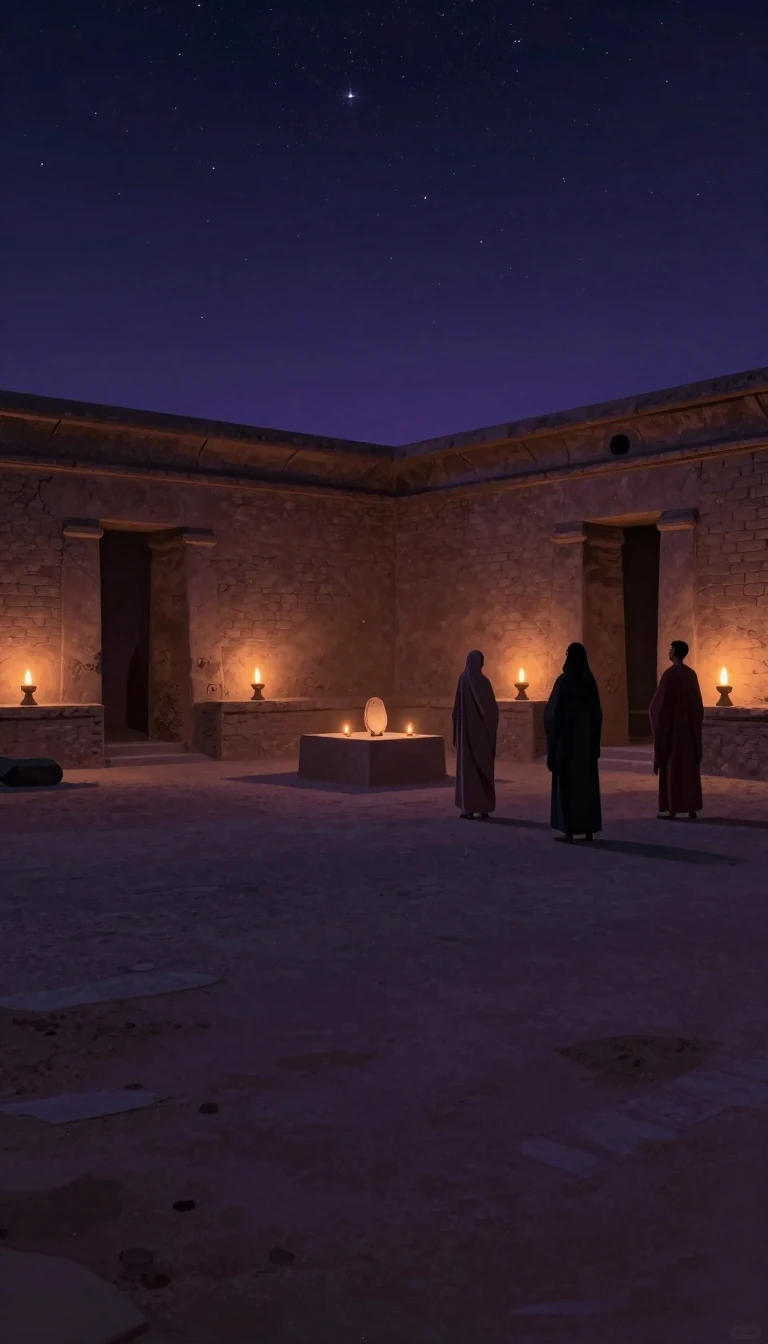
In short: While Egypt is famous for its massive monuments, the region of Nubia in present-day Sudan holds a secret of its own. Kushite royalty constructed hundreds of pyramids over a millennium, blending local traditions with architectural styles borrowed from their northern neighbors to create a unique funerary legacy that remains standing today.
The Nubian pyramids were the work of three distinct Kushite kingdoms that rose to power in the Nile Valley. The first kingdom established its capital at Kerma between 2500 and 1500 BC. Following this, the second kingdom centered its influence on Napata from 1000 to 300 BC, while the final kingdom flourished at Meroë from 300 BC until 300 AD. These structures served as the final resting places for royalty and the elite, marking a significant cultural shift in how the Kushite people honored their dead.
This burial practice began around the 7th century BC and persisted for nearly a thousand years, spanning from 700 BC to 350 AD. The design of these pyramids reflects a fascinating cross-cultural exchange. The Kushite builders drew heavy inspiration from the Egyptian architectural styles that were prevalent during the New Kingdom period. By adapting these foreign techniques to their own cultural requirements, the Kushite rulers created a distinct architectural identity that served as a testament to their wealth and status within the region.
Today, these sites are recognized as a UNESCO World Heritage Site, preserving the history of a civilization that once dominated the middle Nile. The endurance of these structures over such a vast timeframe highlights the stability and continuity of Kushite funerary customs. By examining these pyramids, historians gain insight into the complex relationship between the Kushite kingdoms and their neighbors, as well as the unique ways in which ancient societies adapted monumental architecture to suit their own religious and social needs. The legacy of the Kushite rulers continues to offer a window into the sophisticated social hierarchy and artistic ingenuity of ancient Sudan.
Opens the Intellect+ feed with this card first. Swipe up for the next one.
Sources
- Summary by Intellect · source: Nubian pyramids
To cite this card, link to https://intellectplus.co.uk/app/history-nubian-pyramids.
How we source, check and correct cards: Editorial standards.
General information, not professional advice. Spotted an error? Flag the card or see corrections and complaints.
Intellect Plus is a visual educational discovery platform for exploring fascinating facts and ideas. Brain Food, Not Brain Rot. What is Intellect Plus?
Related
More in History by continent and region · More in History · Latest · A–Z · All topics
