Italy's Prime Minister: A powerful office defined by fragile coalitions and constant political mediation.
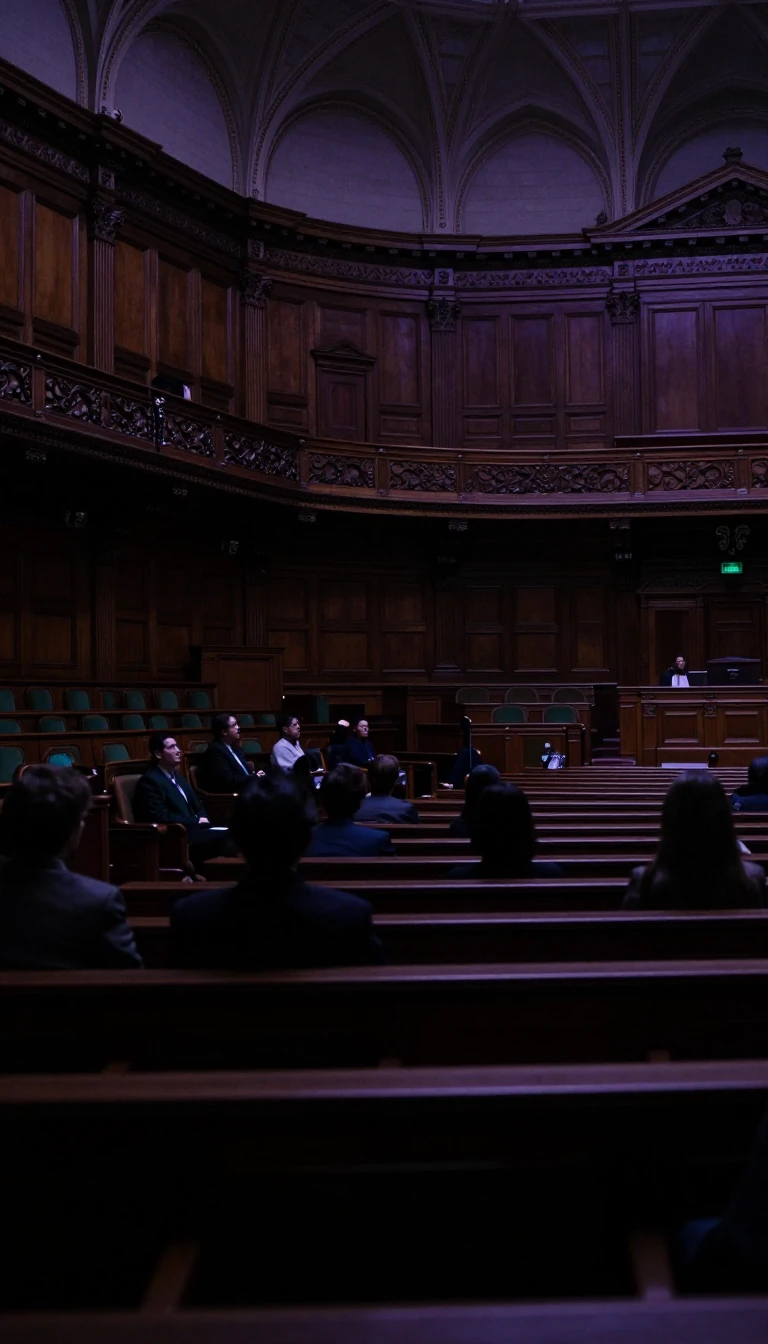
In short: The Italian prime minister is the nation's de facto chief executive, yet lacks the formal power to fire ministers. This structural limitation forces leaders to act as mediators between shifting party alliances, often leading to cabinet resignations and re-appointments just to refresh the government's composition and maintain parliamentary confidence.
The office of the president of the Council of Ministers, established by the 1948 Constitution, sits at the heart of Italy's parliamentary system. While ceremonially the fourth-highest state office, the prime minister functions as the primary political leader. However, the role is constrained by the necessity of maintaining the confidence of Parliament. Unlike systems where the executive holds clear authority, the Italian prime minister must navigate a landscape where power is often diluted by the strength of individual ministers and the parties they represent.
Historically, the position has evolved through dramatic shifts. During the fascist regime from 1925 to 1943, Benito Mussolini transformed the role into a dictatorial position, explicitly stripping away parliamentary responsibility. Following the restoration of democratic governance, the office returned to its role as a mediator. Figures like Giovanni Giolitti, who served five times between 1892 and 1921, mastered the art of 'trasformismo'—building fluid, centrist coalitions to isolate political extremes. This legacy of instability persisted; between 1861 and 1921, Italy changed its head of government 37 times.
In the modern era, the challenges of leading Italy have remained complex. The 'Clean Hands' investigation in the 1990s decimated the long-dominant Christian Democracy party, paving the way for figures like Silvio Berlusconi, the longest-serving prime minister of the Republic. More recently, the office has seen diverse leadership, from technocratic appointments like Mario Draghi to the 2022 appointment of Giorgia Meloni, the first woman to hold the post. Despite these changes, the fundamental requirement remains: the prime minister must balance the competing interests of a coalition to survive, a task that continues to define the limits and reach of Italian executive power.
Opens the Intellect+ feed with this card first. Swipe up for the next one.
Sources
- Summary by Intellect · source: Prime Minister of Italy
To cite this card, link to https://intellectplus.co.uk/app/history-prime-minister-of-italy.
How we source, check and correct cards: Editorial standards.
General information, not professional advice. Spotted an error? Flag the card or see corrections and complaints.
Intellect Plus is a visual educational discovery platform for exploring fascinating facts and ideas. Brain Food, Not Brain Rot. What is Intellect Plus?
Related
More in Empires & civilisations · More in History · Latest · A–Z · All topics
