The oldest known Egyptian religious writings were cut into royal pyramid walls
In short: Inside pyramids at Saqqara, ancient scribes carved the Pyramid Texts, the earliest known collection of Egyptian religious writing. Their prayers and spells were meant to help a dead ruler thrive in the afterlife, and they offer a rare glimpse of how Egyptians pictured eternity more than four thousand years ago.
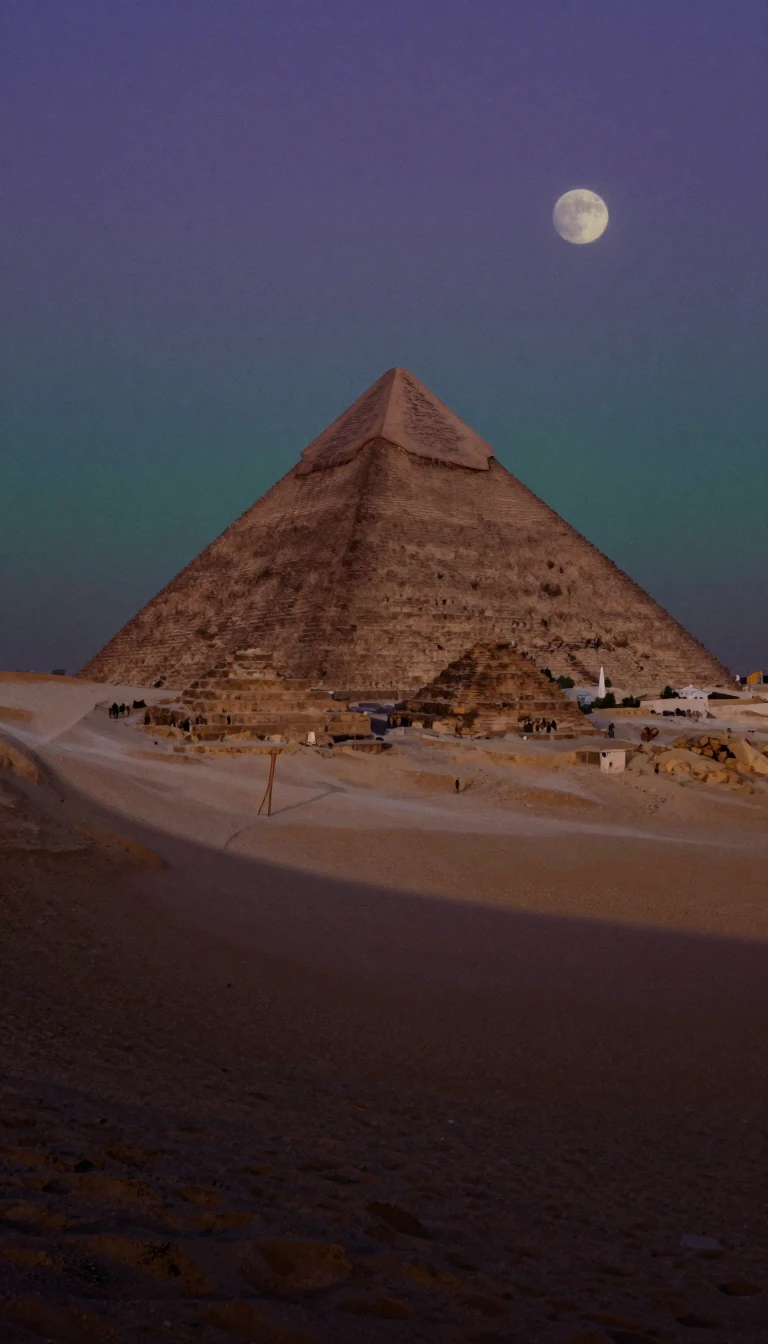
The Pyramid Texts are a group of mortuary prayers, hymns and spells. Their aim was to shield a deceased king or queen and to secure continued life and sustenance in the next world. Written in Old Egyptian, they were inscribed on the underground chamber walls and stone coffins of pyramids at Saqqara. The practice began near the end of the Fifth Dynasty, continued through the Sixth Dynasty, and extended into the Eighth Dynasty during the First Intermediate Period. The pyramid of Unas, the last ruler of the Fifth Dynasty, contains the earliest known examples.
The oldest passages have been dated to roughly 2400 to 2300 BCE. Scholars regard them as the oldest surviving body of religious and funerary writing from Egypt. These texts were reserved for the pharaoh and were never illustrated, which sets them apart from later funerary works. During the Old Kingdom, which ran from about 2686 to 2181 BCE, they appear in the pyramids of kings and of three queens, Wedjebten, Neith and Iput.
Their use changed across the eras. During the Middle Kingdom, from about 2055 to 1650 BCE, they were no longer inscribed in royal pyramids, although the tradition of pyramid spells carried on. In the New Kingdom, from about 1550 to 1070 BCE, they appear in the tombs of officials. This spread suggests that funerary knowledge once limited to the king gradually reached a wider elite, a shift that reveals how ideas about kingship and the afterlife were slowly shared beyond the court.
Because the texts survive as inscriptions rather than as a single continuous narrative, researchers must piece together their meaning from fragments spread across several pyramids. That makes them a valuable window into early Egyptian belief. They also show that some of the first written reflections on death were created to protect a single ruler on his journey beyond life.
Opens the Intellect+ feed with this card first. Swipe up for the next one.
Sources
- Summary by Intellect · source: Pyramid Texts
- Also: Pyramid Texts | Ancient Egypt, Funerary Rituals | Britannica
To cite this card, link to https://intellectplus.co.uk/app/history-pyramid-texts.
How we source, check and correct cards: Editorial standards.
General information, not professional advice. Spotted an error? Flag the card or see corrections and complaints.
Intellect Plus is a visual educational discovery platform for exploring fascinating facts and ideas. Brain Food, Not Brain Rot. What is Intellect Plus?
Related
More in Ancient egypt · More in History · Latest · A–Z · All topics
