The ancient cemetery where Egypt's first kings were laid to rest
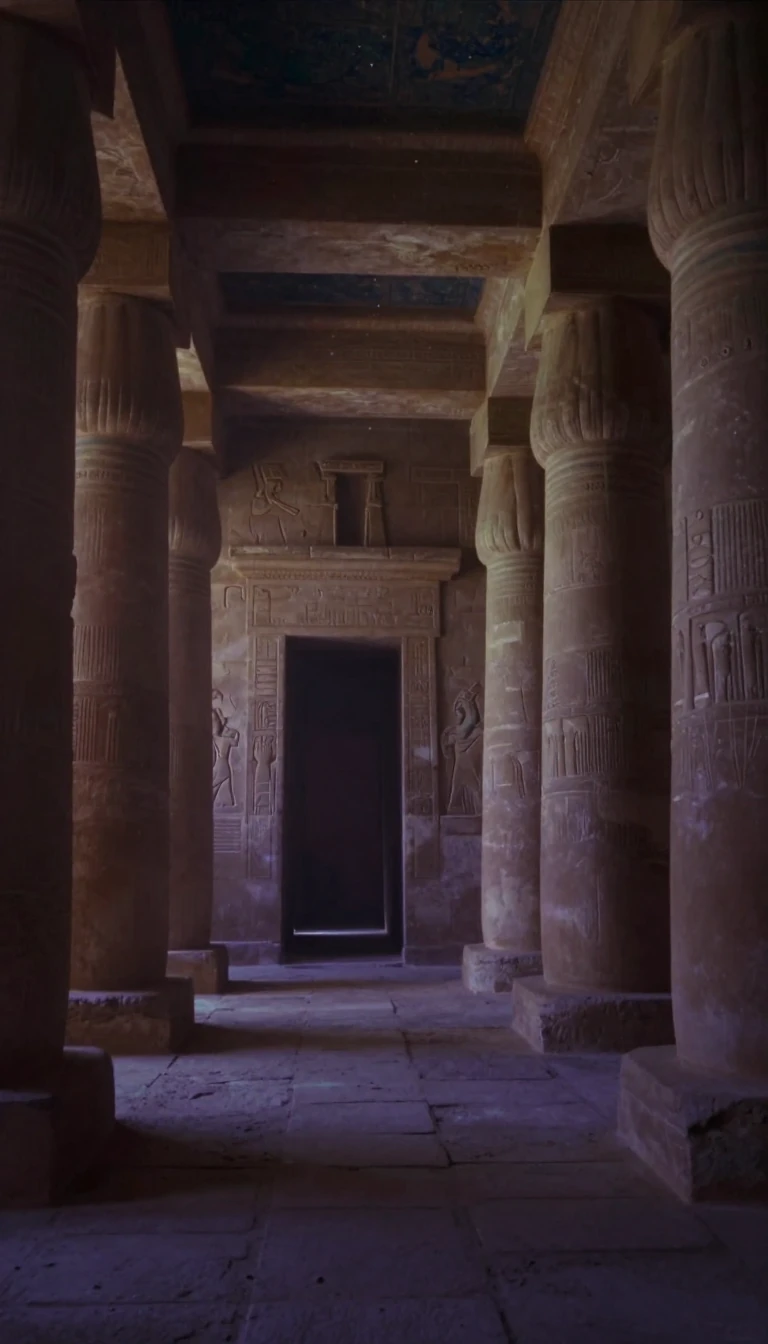
In short: Before the pyramids rose, a different landscape defined Egyptian royalty. At Umm El Qa'ab, millions of shards of broken pottery form a literal mound of history. This site served as the final resting place for proto-kings and early dynastic rulers, anchoring the roots of Egyptian kingship.
Located at Abydos in Egypt, Umm El Qa'ab—translated from Arabic as 'Mother of Pots'—is a primary archaeological site that marks the transition into organized civilization. The name itself reflects the physical reality of the landscape: a massive mound composed of millions of broken pottery fragments. This necropolis served as the royal cemetery for Egypt's predynastic proto-kings, providing a foundational map of how early leadership was memorialized and structured. The site sits roughly 1.5 kilometers west of the Temple of Seti I. It also lies one mile north of Khenti-Amentiu's primary temple.
The site’s chronological development is segmented into three distinct stages moving from north to south. It likely originated during the Naqada I period around 4,000 BCE, as evidenced by specific tomb structures, seal impressions, and pottery styles. The cemetery remained a royal burial ground through the First Dynasty (2,950–2,775 BCE), eventually concluding with the burials of Peribsen and Khasekhemy, the final two kings of the Second Dynasty, around 2,650 BCE. Archaeologists identified Cemetery B as containing Dynasty 0 tombs. These early structures house royal remains from the very dawn of Egyptian history.
Beyond its role as a graveyard, Umm El Qa'ab evolved into a site of profound religious significance. Beginning in the Middle Kingdom (1,938 BCE), it became a center for veneration and cultic practice. For a period of 1,500 years, this religious application persisted up to the Ptolemaic Dynasty (305–30 BCE). The site is closely linked to the cult of Osiris and his annual festival, situated near the Temple of Seti I and the main temple of the god Khenti-Amentiu. The necropolis is specifically connected to Osiris' annual festival. This enduring cultic practice highlights how ancient sacred spaces maintained their sanctity across millennia.
Opens the Intellect+ feed with this card first. Swipe up for the next one.
Sources
- Summary by Intellect · source: Umm El Qa'ab
To cite this card, link to https://intellectplus.co.uk/app/wars-umm-el-qa-ab.
How we source, check and correct cards: Editorial standards.
General information, not professional advice. Spotted an error? Flag the card or see corrections and complaints.
Intellect Plus is a visual educational discovery platform for exploring fascinating facts and ideas. Brain Food, Not Brain Rot. What is Intellect Plus?
Related
More in Ancient & biblical wars · More in Wars & Conflicts · Latest · A–Z · All topics
