Modern humans are defined by a mosaic of diverse genetic traits
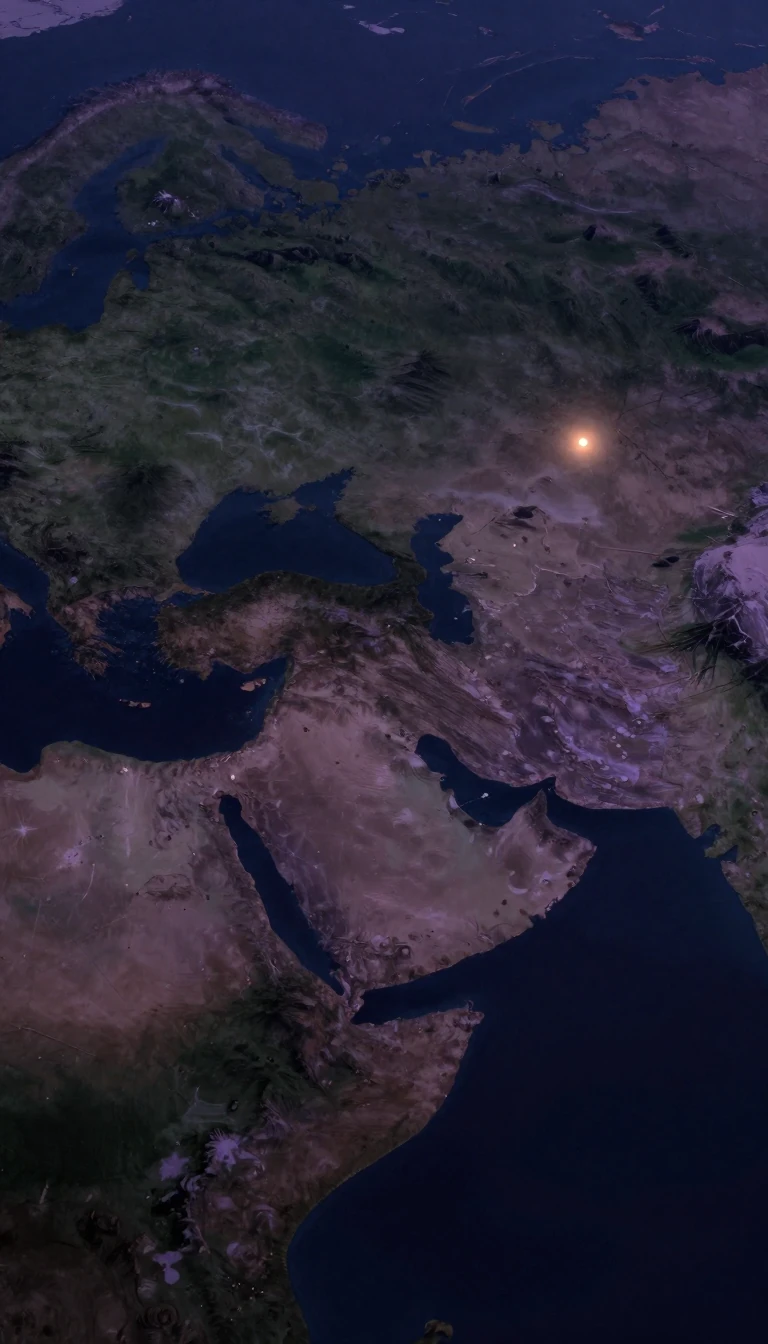
In short: Researchers exploring the evolutionary history of our species found that no single set of genes uniquely defines all modern humans. While our ancestors diverged from Neandertals and Denisovans roughly 600,000 years ago, the genetic differences between these groups are not absolute, as the groups occasionally exchanged genes for millennia.
The study proposes that being 'modern human' is best understood as a combination of various genetic features, rather than a single, uniform package. This suggests that some individuals might lack certain traits typically associated with our species.
By analyzing the increasing availability of diverse modern genome sequences alongside ancient DNA, the researchers identified these patterns. However, the study focuses on describing these genetic differences and their potential functional consequences rather than proving a single cause for human survival.
Why it matters: Our species is defined by a complex, shared, and diverse genetic heritage rather than a single unique mutation.
Opens the Intellect+ feed with this card first. Swipe up for the next one.
Sources
- Source: Research: Zeberg et al. (2024). The genetic changes that shaped Neandertals, Denisovans, and modern humans. Cell. · cc-by
To cite this card, link to https://intellectplus.co.uk/app/history-research-modern-humanity-is-defined-by-a-mosaic-of-diverse-genetic-tr.
How we source, check and correct cards: Editorial standards.
General information, not professional advice. Spotted an error? Flag the card or see corrections and complaints.
Intellect Plus is a visual educational discovery platform for exploring fascinating facts and ideas. Brain Food, Not Brain Rot. What is Intellect Plus?
Related
More in History · Latest · A–Z · All topics
