The oldest public university in the American West began as a weekly evening class.
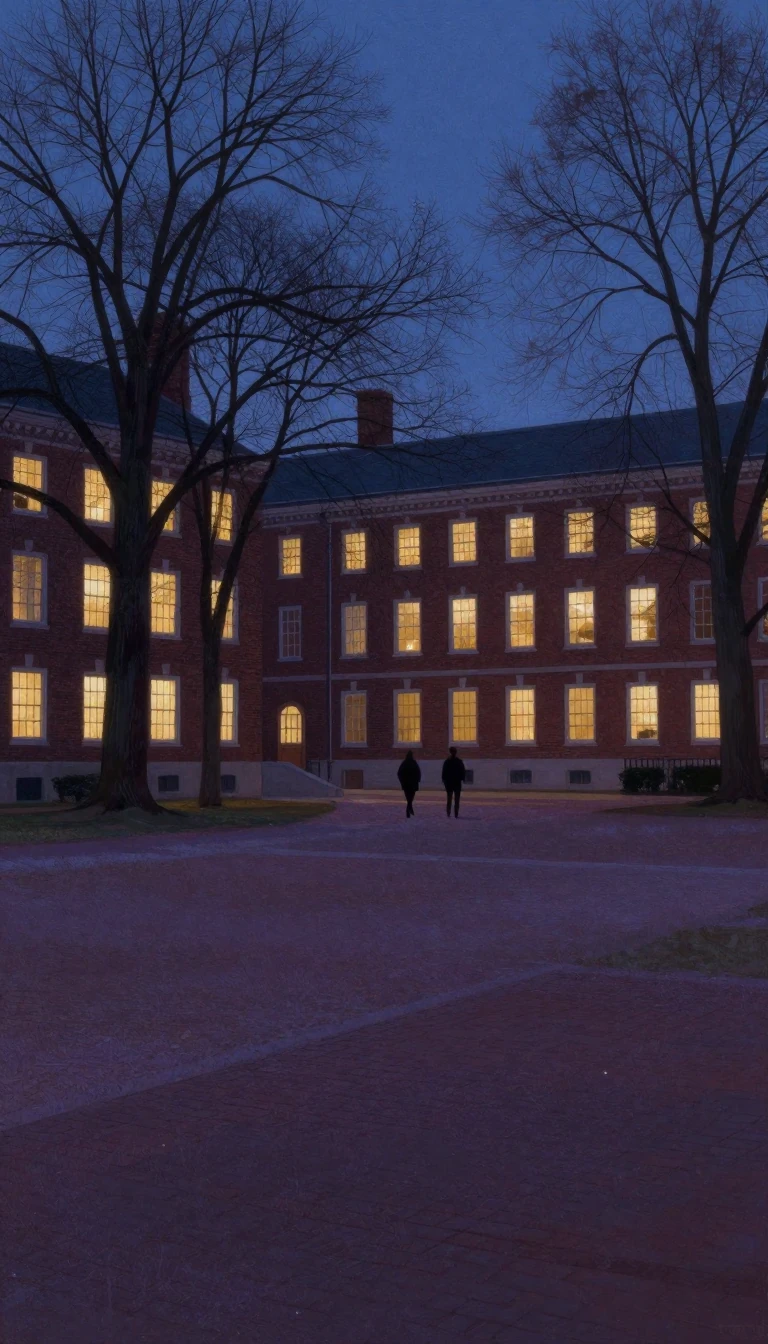
In short: San Jose State University traces its roots to a modest 1857 program in San Francisco that met just once a week. Today, it stands as the founding campus of the California State University system, a research powerhouse that has survived fires, political battles, and multiple relocations to shape California history.
Established in 1857, the institution began as the Minns Evening Normal School in San Francisco. It was a small operation, graduating only 54 students, yet its success secured the funding necessary to evolve into the California State Normal School by 1862. The school's early years were marked by instability; it moved six times within San Francisco due to facility shortages and sanitary concerns before seeking a permanent home.
In 1871, the school relocated to San Jose, settling on the site of Washington Square Park. Its survival was not guaranteed. After a fire destroyed the original building in 1880, the California State Senate attempted to move the institution to Los Angeles. The California State Assembly blocked this move, keeping the school in San Jose. This legislative friction inadvertently birthed a new institution: the branch campus in Los Angeles, which eventually became the University of California, Los Angeles.
The campus architecture reflects its resilience. Following the 1906 earthquake, planned demolitions of damaged buildings were halted when an aftershock failed to cause further destruction. These structures were saved and repurposed into four iconic campus landmarks that still stand today. The university has since expanded into a major research hub, notably hosting the nation's first police science degree program in 1930 and securing a record $73.3 million federal grant from NASA in 2012 for aerospace safety research.
Beyond academics, the university has been a site of significant social and civic history. During World War II, its gymnasium served as a collection point for Japanese Americans sent to internment camps. By the 1960s, the campus became a focal point for political activism, including large-scale protests against the Vietnam War. Today, the university continues to evolve through massive infrastructure projects, including a joint city-university library and ambitious plans for high-rise graduate housing.
Opens the Intellect+ feed with this card first. Swipe up for the next one.
Sources
- Summary by Intellect · source: San Jose State University
To cite this card, link to https://intellectplus.co.uk/app/history-san-jose-state-university.
How we source, check and correct cards: Editorial standards.
General information, not professional advice. Spotted an error? Flag the card or see corrections and complaints.
Intellect Plus is a visual educational discovery platform for exploring fascinating facts and ideas. Brain Food, Not Brain Rot. What is Intellect Plus?
Related
More in Empires & civilisations · More in History · Latest · A–Z · All topics
