Saqqara served as the eternal necropolis for the ancient Egyptian capital of Memphis
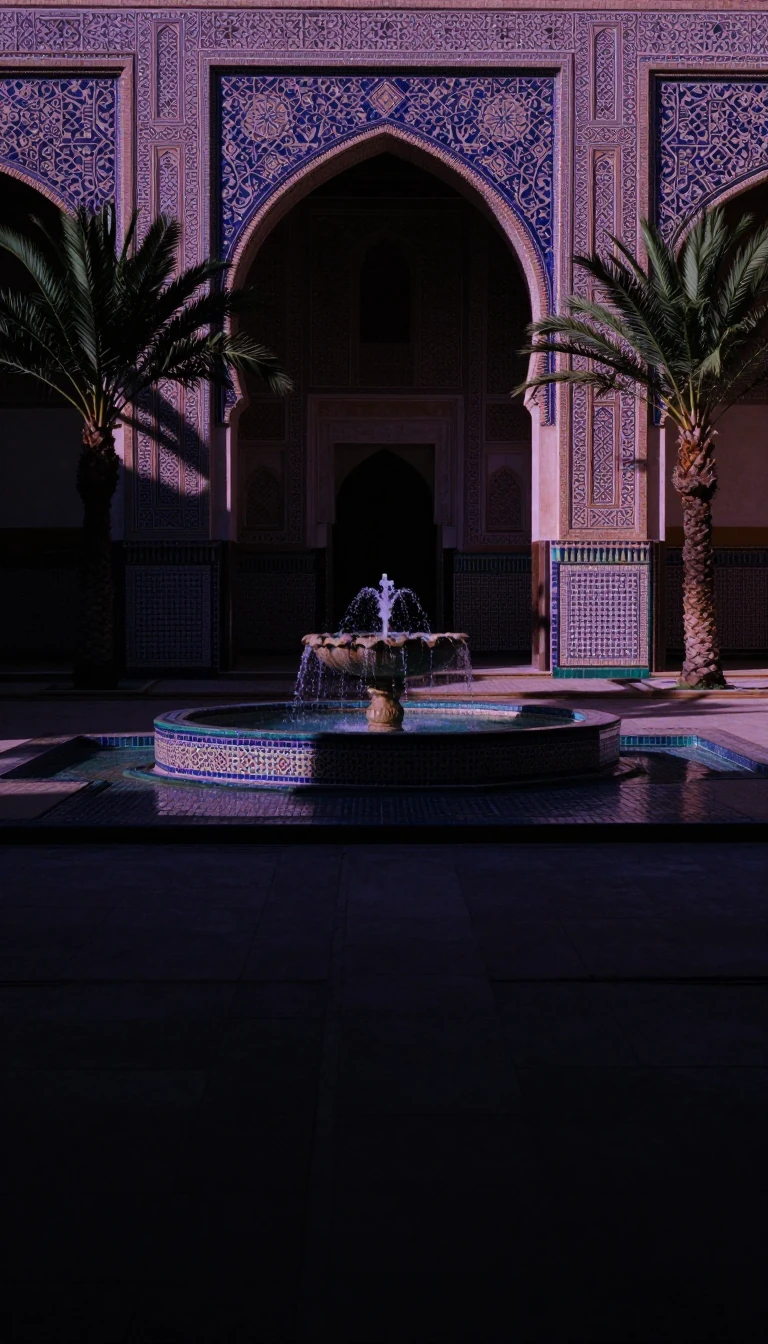
In short: While the Giza pyramids dominate the popular imagination, the sprawling site of Saqqara holds the secrets of a much longer history. As the burial ground for the ancient capital of Memphis, this desert plateau preserves thousands of years of royal and official history, including Egypt's oldest complete stone building complex.
Located southwest of modern Cairo, Saqqara functioned as the primary necropolis for Memphis for over three millennia. It is a vast archaeological landscape that contains an Early Dynastic cemetery and the iconic Step Pyramid of Djoser, which represents the oldest complete stone building complex in history. Unlike the singular focus of Giza, Saqqara served as a continuous site for royal and non-royal burials well into the Ptolemaic and Roman periods.
The site is defined by its architectural variety, ranging from monumental royal pyramids to the numerous mastabas—flat-topped, mud-brick tombs—that house the remains of high-ranking officials and royal relatives. These structures were often arranged in precise grid patterns, reflecting the social hierarchy of the ancient world. Beyond the Third Dynasty pyramids, sixteen other Egyptian kings chose this location for their final resting places, leaving behind monuments in varying states of preservation that offer a window into the evolution of funerary architecture.
In 1979, the broader Memphite Necropolis, which encompasses Saqqara, Dahshur, and the Giza complex, was collectively designated a UNESCO World Heritage site. This recognition highlights the site's immense value in understanding Pharaonic culture. While some scholars have debated the etymology of the name Saqqara, suggesting it might stem from local tribal names rather than the funerary deity Sokar, the site's physical reality remains clear. It stands as a testament to the enduring human desire to construct lasting monuments, bridging the gap between the earliest dynasties and the later classical eras of antiquity.
Opens the Intellect+ feed with this card first. Swipe up for the next one.
Sources
- Summary by Intellect · source: Saqqarah | Egypt, Map, Tomb, & Serapeum | Britannica
- Also: Saqqara
To cite this card, link to https://intellectplus.co.uk/app/history-saqqara.
How we source, check and correct cards: Editorial standards.
General information, not professional advice. Spotted an error? Flag the card or see corrections and complaints.
Intellect Plus is a visual educational discovery platform for exploring fascinating facts and ideas. Brain Food, Not Brain Rot. What is Intellect Plus?
Related
More in Ancient · More in History · Latest · A–Z · All topics
