How a remote tropical colony became a modern state defined by oil and autocracy
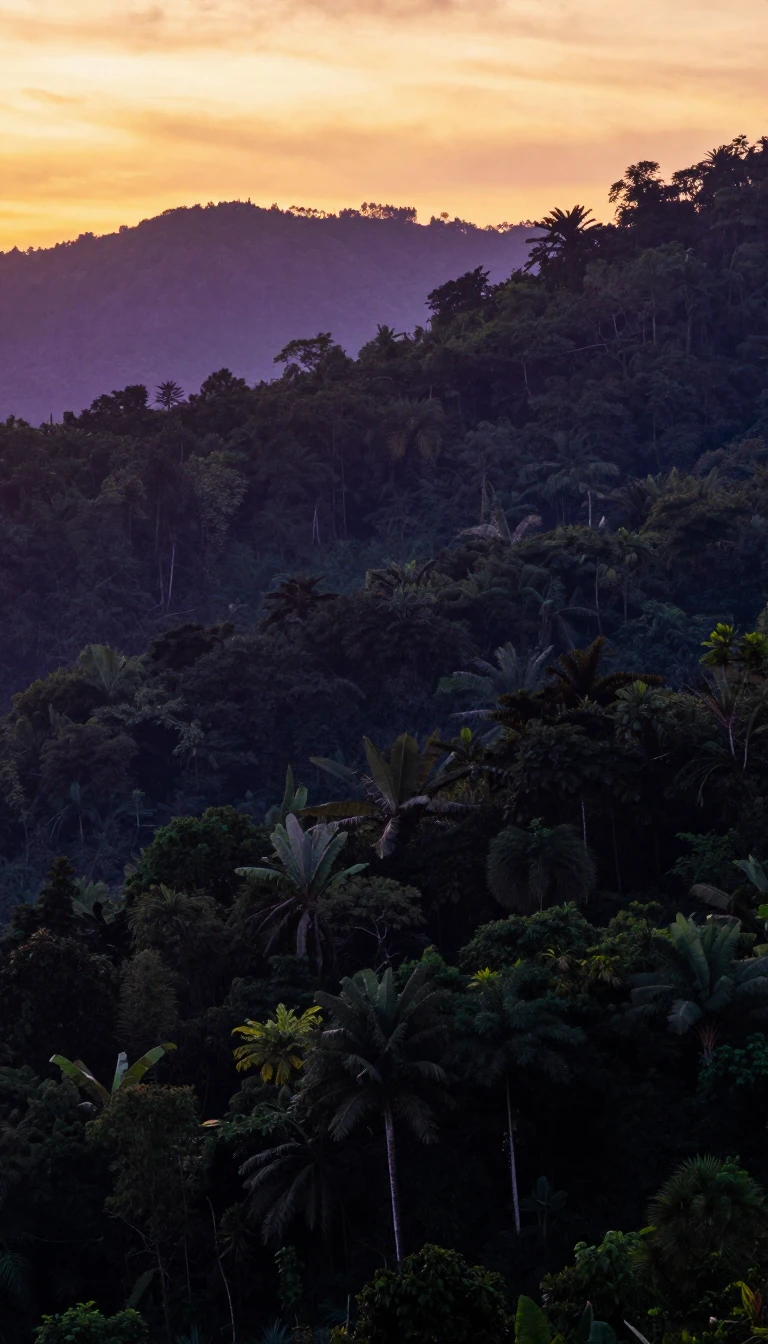
In short: Spanish Guinea was Spain's final significant tropical colony, a territory shaped by forced labor, shifting borders, and a turbulent transition to independence. Today, its successor, Equatorial Guinea, remains a nation defined by long-standing authoritarian rule, vast oil wealth, and a recent, dramatic relocation of its national capital.
Established in 1778 through the Treaty of El Pardo, the territory that became Spanish Guinea spent decades under shifting administrative control. Initially managed from Buenos Aires, the region saw British influence on Bioko until 1843, when Spain resumed effective occupation. By the late 19th century, French expansion had confined the mainland enclave of Río Muni to just 26,000 square kilometers. The colonial economy relied heavily on large-scale cacao and coffee plantations, which faced chronic labor shortages. To sustain production, authorities turned to imported contract workers from Liberia and, later, Nigeria, often under conditions that drew international condemnation for their resemblance to slave trading.
The path to independence accelerated in the 1960s, culminating in the proclamation of Equatorial Guinea on October 12, 1968. The nation’s first president, Francisco Macías Nguema, quickly dismantled democratic norms, establishing a brutal regime that triggered a mass exodus of citizens and the repatriation of thousands of Nigerian laborers. Following a 1979 coup, his nephew, Teodoro Obiang Nguema Mbasogo, assumed power. Despite constitutional reforms in 1991 and 2011 intended to introduce multiparty politics and term limits, Obiang’s administration has faced persistent international criticism for alleged electoral fraud, human rights violations, and the systematic concentration of national oil wealth among a small ruling clique.
In recent years, the country has sought to project a different image, hosting the 2015 Africa Cup of Nations on short notice and abolishing the death penalty in 2022. Yet, the political landscape remains tightly controlled. The most recent structural shift occurred in January 2026, when the government designated Ciudad de la Paz as the new capital, initiating a transition away from the historic coastal city of Malabo. This move marks the latest chapter in a history defined by the persistent, centralized authority of the Obiang regime.
Opens the Intellect+ feed with this card first. Swipe up for the next one.
Sources
- Summary by Intellect · source: Equatorial Guinea - African, Spanish, Oil | Britannica
- Also: Spanish Guinea
To cite this card, link to https://intellectplus.co.uk/app/history-spanish-guinea.
How we source, check and correct cards: Editorial standards.
General information, not professional advice. Spotted an error? Flag the card or see corrections and complaints.
Intellect Plus is a visual educational discovery platform for exploring fascinating facts and ideas. Brain Food, Not Brain Rot. What is Intellect Plus?
Related
More in Empires & civilisations · More in History · Latest · A–Z · All topics
