How a remote Circassian coastline became Russia's unofficial summer capital and Olympic stage
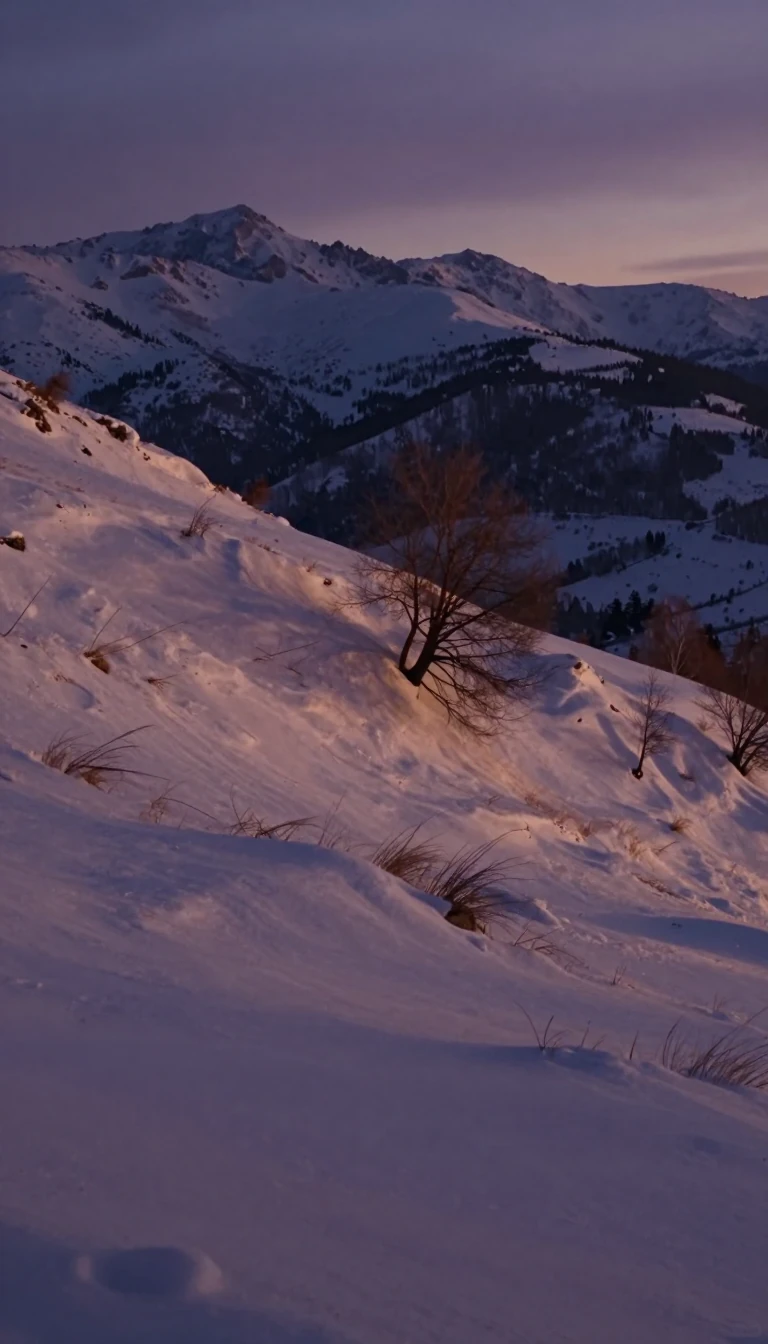
In short: Sochi, once the heart of Ubykhia, transformed from a site of imperial conquest and genocide into a sprawling, subtropical resort. From Stalin’s favorite dacha to the record-breaking $51 billion 2014 Winter Olympics, this Black Sea city has long served as a high-stakes stage for Russian power and geopolitical ambition.
The region now known as Sochi was historically part of Circassia, dominated by Ubykh, Abkhaz, and Adyghe tribes. Following the Russo-Circassian War, the Russian Empire sought to consolidate control over the Black Sea coast. The conflict culminated in the 1864 Battle of Qbaada, where the end of the Caucasian War was proclaimed. This period saw the systematic destruction of the native population, with Ubykhs and Circassians either killed or expelled to the Ottoman Empire in what is recognized as the Circassian genocide. Russian sources indicate the local population plummeted from roughly 100,000 to just 98.
In the aftermath, the Russian Empire actively colonized the area with diverse groups, including Russians, Armenians, and Greeks. By the early 20th century, Sochi began its evolution into a resort destination, gaining town status in 1917. Under Joseph Stalin, the city was cemented as a fashionable retreat; he commissioned opulent Neoclassical sanatoriums and a personal dacha that remains a public site today. The city’s profile expanded significantly in 1961 when Soviet officials created 'Greater Sochi,' stretching 140 kilometers along the coast.
Modern Sochi reached global prominence when it hosted the 2014 Winter Olympics. The project was marked by controversy, including concerns over the subtropical climate, allegations of corruption, and a record-breaking $51 billion price tag. Despite these tensions, the Games proceeded, featuring 2,800 athletes and setting new records for participation. Today, the city remains a vital Russian hub, balancing its role as a luxury getaway for the elite with its status as a federal territory, while continuing to serve as a strategic site for presidential diplomacy and infrastructure.
Opens the Intellect+ feed with this card first. Swipe up for the next one.
Sources
- Summary by Intellect · source: Sochi
- Also: Sochi | Russia, Map, History, & Facts | Britannica
To cite this card, link to https://intellectplus.co.uk/app/history-sochi.
How we source, check and correct cards: Editorial standards.
General information, not professional advice. Spotted an error? Flag the card or see corrections and complaints.
Intellect Plus is a visual educational discovery platform for exploring fascinating facts and ideas. Brain Food, Not Brain Rot. What is Intellect Plus?
Related
More in Empires & civilisations · More in History · Latest · A–Z · All topics
