The Spratly Islands are a shifting, disputed archipelago of reefs, sand, and strategic ambition.
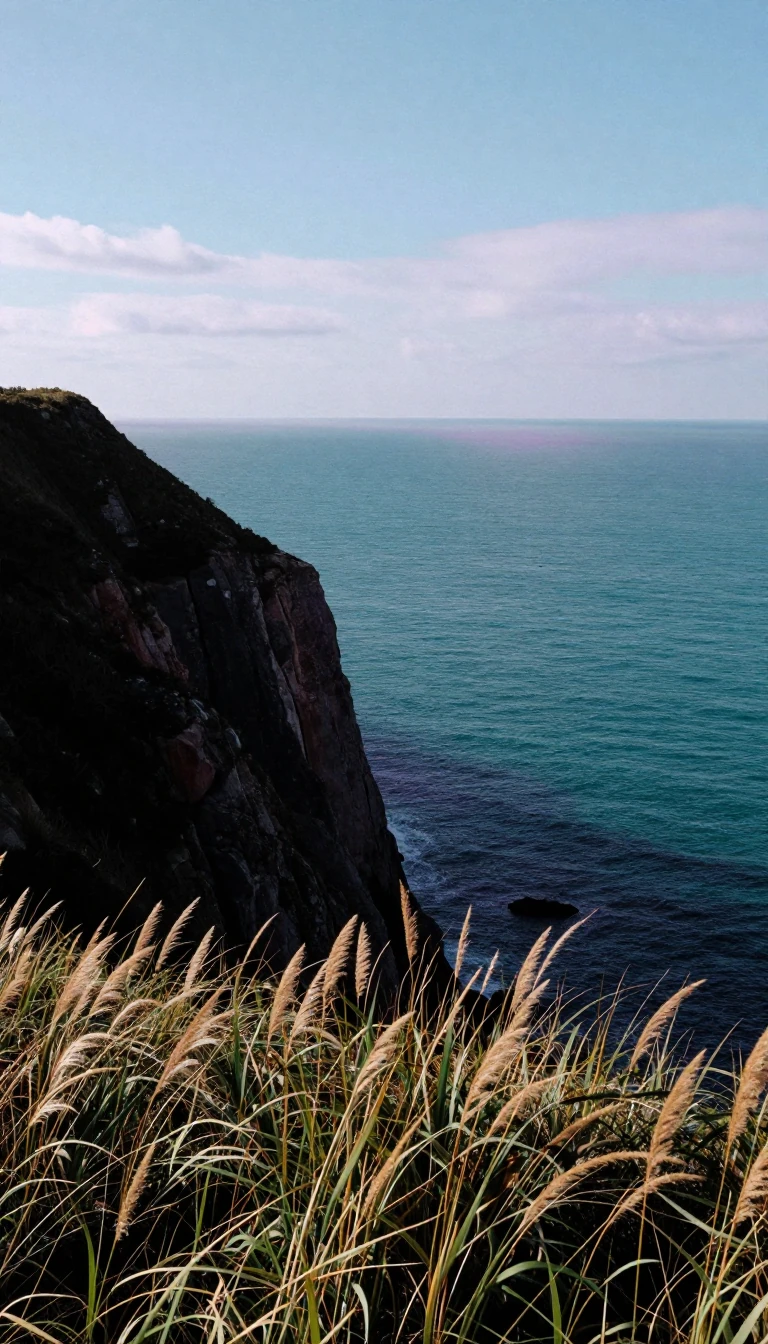
In short: Named after a 19th-century British whaler, the Spratly Islands are a collection of over 100 reefs and tiny cays in the South China Sea. Though they contain less than 500 acres of land, their location near vital shipping lanes and potential oil reserves makes them a flashpoint for international territorial claims.
The Spratly Islands are geologically complex, formed by the subsidence of continental crust into horsts and half-grabens during the Late Cretaceous and Early Oligocene. These uplifted blocks provided the foundation for coral reefs, which eventually accumulated into the sand-based cays seen today. Because these islands are largely composed of shifting sand and pebble sediments, their physical size fluctuates with the seasonal monsoons. For instance, Spratly Island itself expands and contracts by dozens of meters depending on whether the region is experiencing the northeast or southwest monsoon.
Historically, the islands were sparsely inhabited, serving primarily as resting spots for seabirds and occasional waypoints for ancient maritime trade networks. While various dynasties and colonial powers produced maps referencing the region—often conflating the Spratlys with the Paracels—official jurisdiction remained ambiguous for centuries. It was not until the 20th century, particularly following the Second World War, that the islands became a focus of intense geopolitical competition. Today, Malaysia, China, Taiwan, the Philippines, and Vietnam all maintain a military presence on various reefs, while Brunei claims an exclusive economic zone in the area.
The modern environmental cost of these claims is severe. Since 2015, large-scale dredging operations have converted natural reefs into military facilities, a process that buries coral under tons of sand and gravel. Experts like John McManus of the University of Miami warn that this destruction threatens regional fish stocks and biodiversity. Despite the presence of nearly 3,000 recorded marine species, the islands face constant pressure from industrialization, pollution, and illegal fishing practices, such as the use of cyanide and explosives, which continue to degrade the fragile ecosystems of the South China Sea.
Opens the Intellect+ feed with this card first. Swipe up for the next one.
Sources
- Summary by Intellect · source: Spratly Islands
To cite this card, link to https://intellectplus.co.uk/app/history-spratly-islands.
How we source, check and correct cards: Editorial standards.
General information, not professional advice. Spotted an error? Flag the card or see corrections and complaints.
Intellect Plus is a visual educational discovery platform for exploring fascinating facts and ideas. Brain Food, Not Brain Rot. What is Intellect Plus?
Related
More in History by continent and region · More in History · Latest · A–Z · All topics
