The Alaskan island where you can look across the border into yesterday
In short: Little Diomede Island sits in the Bering Strait, just 2.4 miles from Russia. Because the International Date Line runs between it and its neighbor, Big Diomede, the island is perpetually one day behind. This remote outpost of Alaska offers a stark view of the geopolitical divide known as the Ice Curtain.
Little Diomede Island, known in Inupiaq as Iŋaliq, is a rugged, granite-based landmass of 2.8 square miles. Its geography is defined by near-vertical cliffs, with the only accessible settlement, Diomede, situated on the western shore. The island experiences a harsh polar climate, with winter temperatures averaging between 6 and 10 °F and fierce winds that can gust up to 80 miles per hour. These conditions, combined with the island's exposure to Siberian air masses, make it colder than nearby Nome, Alaska.
The islands were named after Saint Diomedes by Vitus Bering, who sighted them on August 16, 1728. For centuries, the local Inuit moved freely between the two islands. This changed in 1948 when the Soviet Union closed the border, creating the Ice Curtain. During the Cold War, the border became a site of profound separation, with Big Diomede's inhabitants resettled in Chukotka. While sporadic contact occurred in the 1970s and 1990s, including a famous 1987 swim by Lynne Cox, modern geopolitical tensions have made such exchanges increasingly rare.
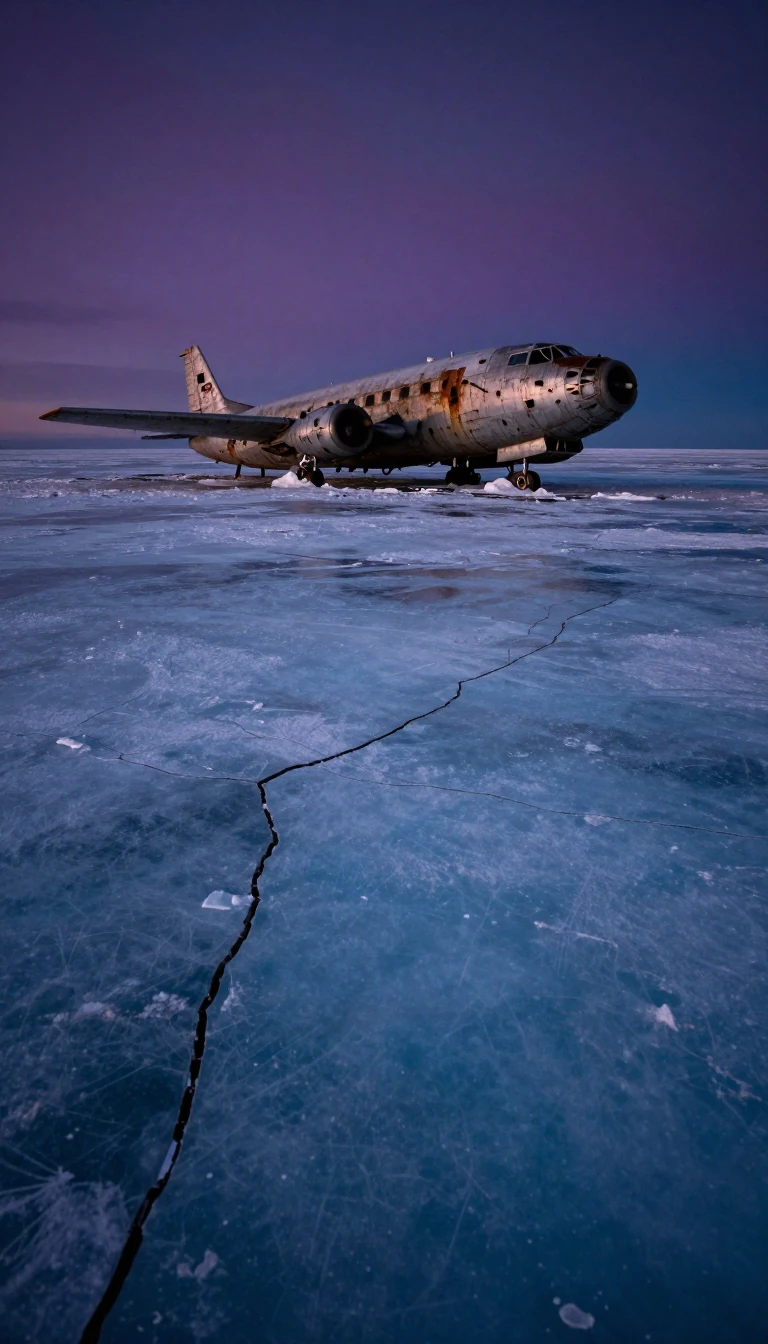
Logistics for the island have always been challenging. Historically, residents carved runways into the seasonal ice to receive supplies via bush plane. However, climate change has thinned the winter ice, forcing the community to rely on the Diomede Heliport. Despite its isolation, the island has appeared in various media, including Michael Palin's 1997 documentary series and Armistead Maupin's novel Further Tales of the City, serving as a unique intersection of geography, history, and the shifting realities of the Arctic.
The island is also a critical ecological site, designated an Important Bird Area by BirdLife International. It hosts significant colonies of seabirds, such as black-legged kittiwakes and various species of auklets. This biological importance contrasts with the island's sparse vegetation, as the cold, dry climate prevents most plant life from thriving. Today, the island remains a quiet, isolated sentinel in the Bering Strait, standing as a physical reminder of the proximity between two global powers.
Opens the Intellect+ feed with this card first. Swipe up for the next one.
Sources
- Summary by Intellect · source: Little Diomede Island
To cite this card, link to https://intellectplus.co.uk/app/culture-little-diomede-island.
How we source, check and correct cards: Editorial standards.
General information, not professional advice. Spotted an error? Flag the card or see corrections and complaints.
Intellect Plus is a visual educational discovery platform for exploring fascinating facts and ideas. Brain Food, Not Brain Rot. What is Intellect Plus?
Related
More in US culture · More in Cultures · Latest · A–Z · All topics
