How independent East African city-states became the vital bridge between two massive continents
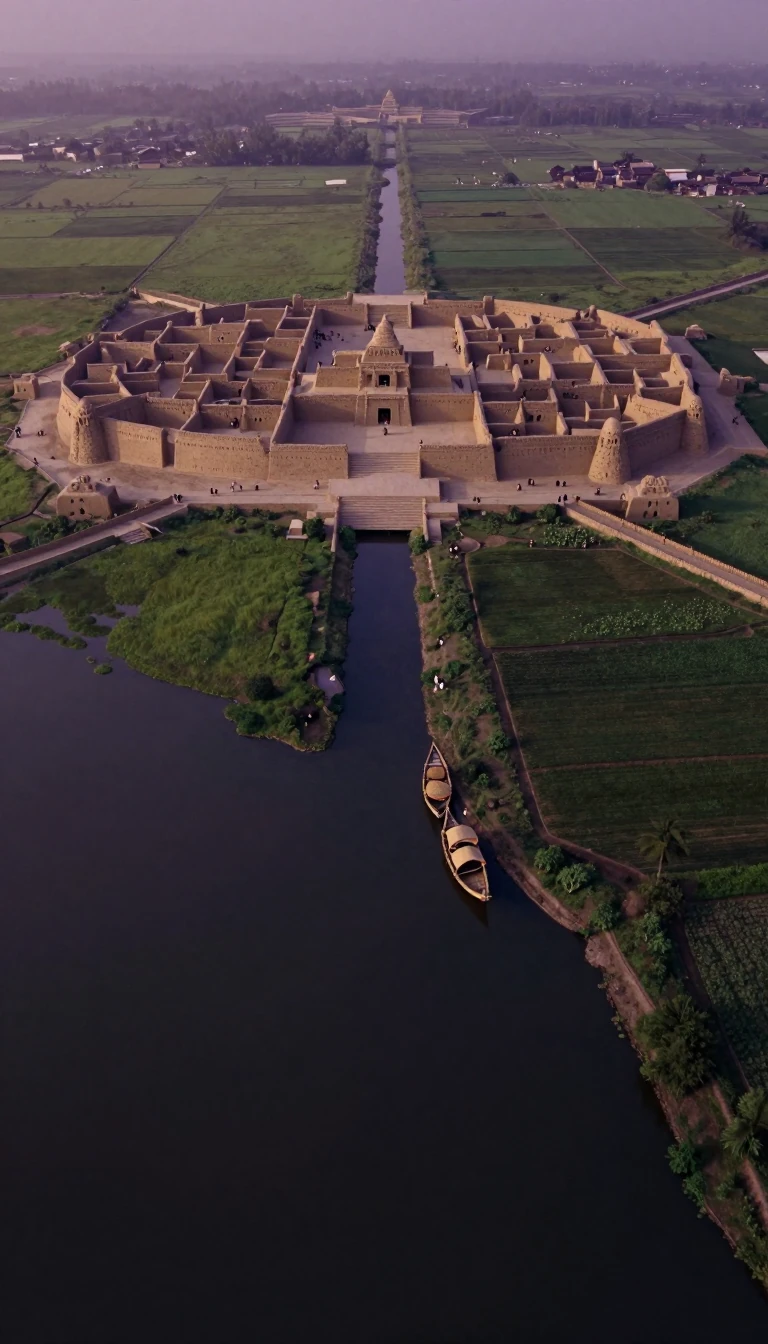
In short: Between the 8th and 16th centuries, the Swahili coast flourished as a collection of autonomous, wealthy urban hubs. By acting as essential intermediaries in Indian Ocean trade, these cities linked African resources to Asian markets, creating a unique, culturally diverse civilization that thrived long before European colonial powers arrived.
The Swahili city-states emerged as independent, self-governing centers along the East African coast, stretching from the 8th century through the 16th century. Cities such as Kilwa, Mombasa, Zanzibar, Malindi, Gedi, Pate, and Comoros became prosperous hubs by facilitating complex exchanges between local merchants and international traders from Arabia, Persia, India, China, and Southeast Asia. This network was not merely economic; it fostered a society that was predominantly Muslim and deeply influenced by a blend of Arabic, Persian, Indian, and Chinese cultural traditions.
Prosperity was driven by the region's role as a gateway to the Great Lakes interior. Swahili merchants secured valuable commodities—including gold, ivory, salt, ebony, sandalwood, iron, and slaves—to trade for Asian imports like silk, cotton, and porcelain. They also produced and exported significant quantities of pottery and glass beads. By connecting kingdoms like Great Zimbabwe to the wider Indian Ocean world, these city-states became the indispensable middlemen of a vast, transcontinental commercial system.
The decline of this era began in the 16th century, triggered by the arrival of European powers. The Portuguese and later the Dutch utilized superior military technology and strategies to disrupt established trade routes. Because the Swahili city-states lacked a unified political structure, they were unable to resist this external pressure effectively. Major centers like Sofala and Kilwa were eventually transformed into colonial outposts, signaling the collapse of the independent African-Asian commerce that had defined the coast for nearly a millennium.
Opens the Intellect+ feed with this card first. Swipe up for the next one.
Sources
- Summary by Intellect · source: Swahili city-states
To cite this card, link to https://intellectplus.co.uk/app/history-swahili-city-states.
How we source, check and correct cards: Editorial standards.
General information, not professional advice. Spotted an error? Flag the card or see corrections and complaints.
Intellect Plus is a visual educational discovery platform for exploring fascinating facts and ideas. Brain Food, Not Brain Rot. What is Intellect Plus?
Related
More in Post-classical · More in History · Latest · A–Z · All topics
