Aristotle’s four causes: why things exist, change, and function in the natural world
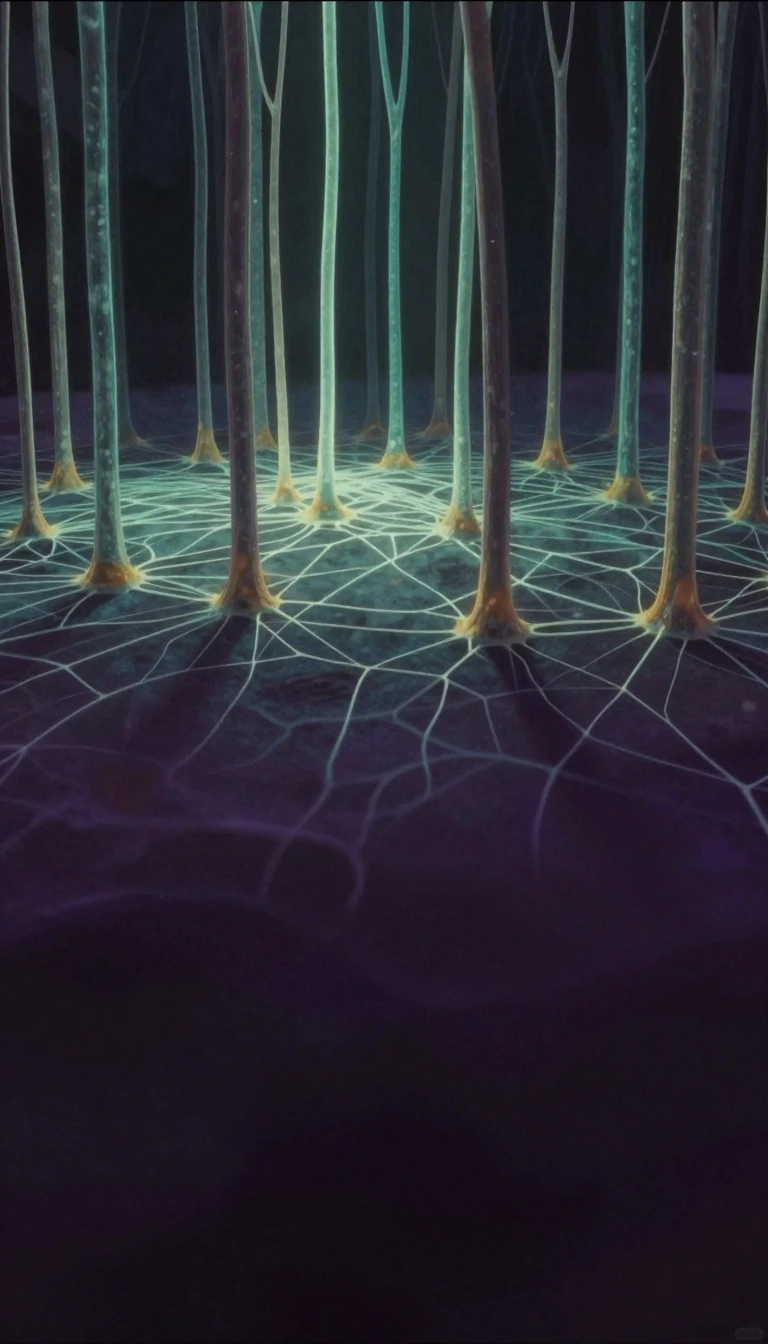
In short: To truly understand any object or event, Aristotle argued we must answer four distinct questions. Beyond just asking what something is made of, we must identify its form, the agent that moved it, and its ultimate purpose. This ancient framework remains a foundational, if debated, tool for explaining reality.
Aristotle’s four causes—material, formal, efficient, and final—provide a comprehensive analytical scheme for explaining why things exist or change. The material cause is the raw substance, such as the wood of a table. The formal cause defines the essential nature of the object, distinguishing it from others. The efficient cause is the external agent, like a carpenter, that drives the change. Finally, the final cause, or telos, represents the end toward which a thing is ordered. Aristotle believed that grasping these four 'whys' is essential to achieving true knowledge of any phenomenon.
The concept of the final cause remains particularly controversial. While Aristotle viewed nature as inherently teleological—exhibiting functionality without requiring conscious deliberation—modern science often rejects this. Figures like Ernst Mayr argued that biological adaptation is an a posteriori result rather than a goal-seeking process. Conversely, scholars like Francisco J. Ayala and James G. Lennox suggest that teleology is indispensable to biology, noting that even Charles Darwin found value in reconciling morphology with teleology. This debate highlights the tension between viewing nature as a system of blind mechanics versus one of inherent purpose.
The historical evolution of these ideas shows their enduring influence. Thomas Aquinas later refined the framework, establishing a priority order where the final cause acts as the 'queen of causes.' By the 17th century, Francis Bacon shifted the focus of natural science toward material and efficient causes, effectively separating physics from metaphysics. Despite these shifts, the Aristotelian approach continues to provoke discussion, particularly in fields like biosemiotics, where researchers argue that teleological language remains necessary to describe the behavior of autonomous agents in the physical world.
Opens the Intellect+ feed with this card first. Swipe up for the next one.
Sources
- Summary by Intellect · source: Four causes
To cite this card, link to https://intellectplus.co.uk/app/history-four-causes.
How we source, check and correct cards: Editorial standards.
General information, not professional advice. Spotted an error? Flag the card or see corrections and complaints.
Intellect Plus is a visual educational discovery platform for exploring fascinating facts and ideas. Brain Food, Not Brain Rot. What is Intellect Plus?
Related
More in Empires & civilisations · More in History · Latest · A–Z · All topics
