Why some empires rule the waves instead of the land beneath their feet
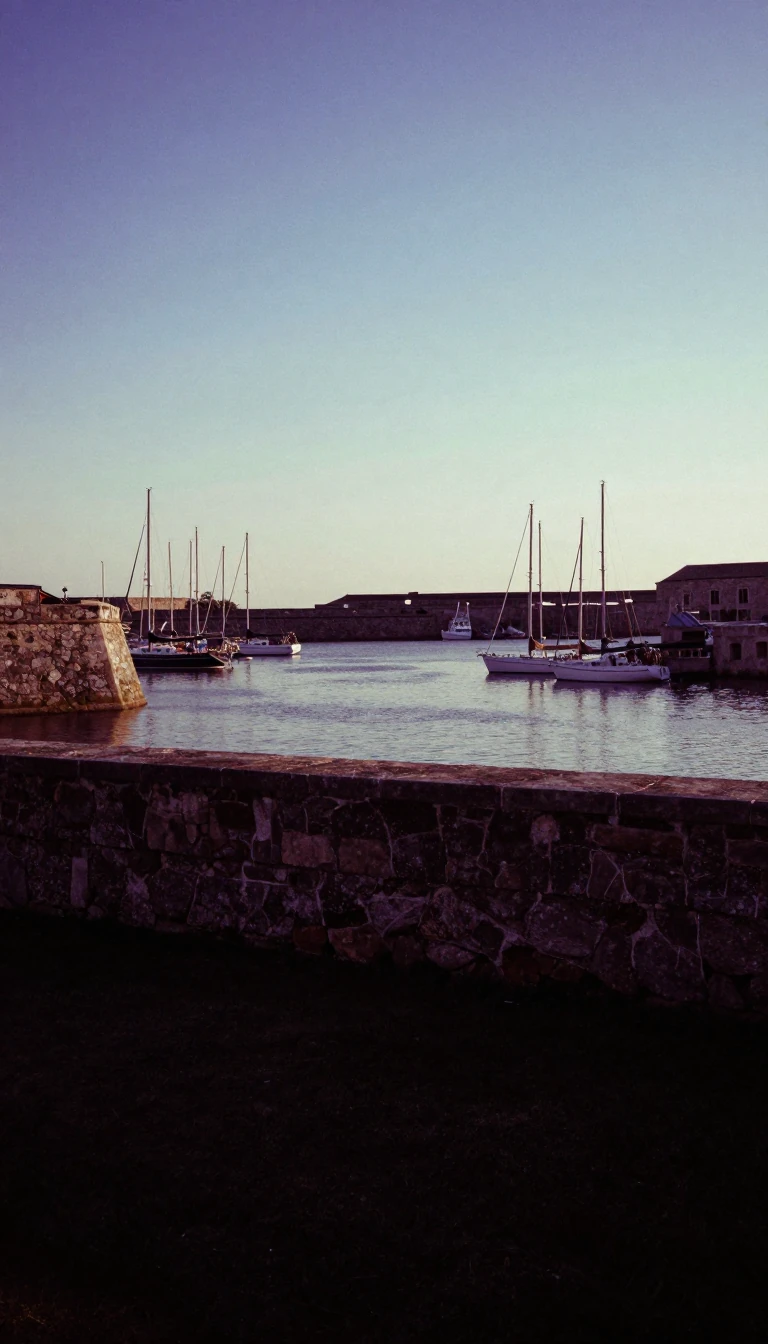
In short: A thalassocracy is a state defined by its maritime reach rather than its interior borders. Unlike traditional land-based empires, these seaborne powers thrive by controlling trade routes and naval lanes. From ancient Mediterranean republics to the vast networks of the Indian Ocean, sea power has shaped history in unique ways.
The term thalassocracy, or sea-based empire, describes states that prioritize maritime realms over mainland territory. While a tellurocracy focuses on land-based hegemony, a thalassocracy functions as a network of ports and sea lanes. Ancient observers like Herodotus recognized this distinction, noting how the Minoan civilization relied on its navy for power. Later, the bishop Eusebius of Caesarea Maritima categorized historical polities in a chronology of sea-controlling states, a list later reconstructed by scholars like Christian Gottlob Heyne and John Myres.
In the Indo-Pacific, Austronesian peoples established the Indian Ocean's first true maritime trade network as early as 1500 BC, facilitating the exchange of goods like spices and cultigens. By the 2nd century AD, coastal city-states emerged, eventually leading to the rise of the Srivijaya empire by the 7th century. These powers exploited strategic locations, such as the Malacca Strait, to dominate trade between India and China. Similarly, the Arakkal Ali Rajas of Kannur maintained prominence through the 16th century by controlling horse imports and island territories like the Maldives.
The Mediterranean saw a proliferation of maritime republics during the Middle Ages, including Venice, Genoa, and Pisa. Venice, in particular, was described by historian Fernand Braudel as a scattered, capitalist antenna. These states were not merely commercial hubs; they were cultural conduits that played essential roles in events like the Crusades. While the Age of Exploration saw the rise of transcontinental colonial empires held together by naval supremacy, the core principle remained: power was projected through the ability to command the sea, a dynamic that persisted well into the modern era.
Opens the Intellect+ feed with this card first. Swipe up for the next one.
Sources
- Summary by Intellect · source: Thalassocracy
To cite this card, link to https://intellectplus.co.uk/app/history-thalassocracy.
How we source, check and correct cards: Editorial standards.
General information, not professional advice. Spotted an error? Flag the card or see corrections and complaints.
Intellect Plus is a visual educational discovery platform for exploring fascinating facts and ideas. Brain Food, Not Brain Rot. What is Intellect Plus?
Related
More in Empires & civilisations · More in History · Latest · A–Z · All topics
