The Temple of Artemis was a marvel that survived floods, fire, and shifting empires
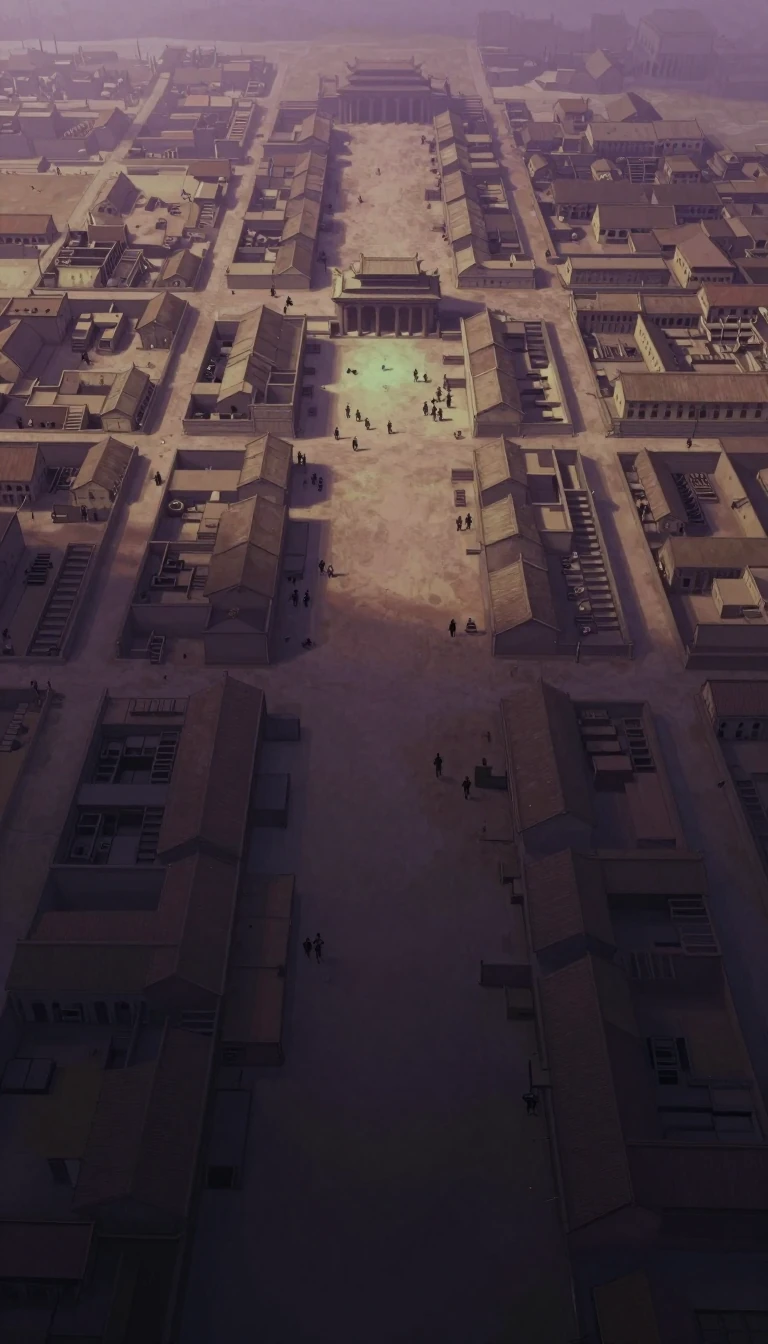
In short: Known as one of the Seven Wonders, the Temple of Artemis in Ephesus was a political and religious powerhouse. While legends credit Amazonian warriors with its origin, the site endured centuries of destruction and reconstruction, serving as a sanctuary for the persecuted and a symbol of local Ephesian identity.
The history of the Artemision is one of persistent sacred continuity. Long before the grand marble structures appeared, the site was a temenos, or sacred enclosure, dating back to the Bronze Age. By the 8th century BC, a peripteral temple stood on the marshy ground, an architectural milestone for the coast of Asia Minor. This early structure was eventually ruined by a 7th-century BC flood, which left behind ivory carvings and amber drops that likely adorned a wooden cult statue. Despite the site's susceptibility to flooding and shifting foundations, the Ephesians remained committed to the location, viewing it as essential to their city's identity.
The temple's most famous iteration, funded by the Lydian king Croesus around 550 BC, was designed by the architect Chersiphron. It was a massive marble edifice featuring double rows of columns, some decorated with relief carvings. This version met a dramatic end in 356 BC when it was destroyed by fire. While tradition blames an arsonist named Herostratus seeking fame, modern scholars suggest the temple's administrators may have orchestrated the blaze to justify rebuilding a structure that was already suffering from structural instability. When Alexander the Great later offered to bankroll the reconstruction, the Ephesians declined, asserting that it would be inappropriate for one deity to fund the house of another.
The final temple was even larger, boasting over 127 columns and serving as a repository for renowned Greek art. It remained a central feature of Ephesian life until the late Roman period, when the rise of Christianity led to its eventual closure and abandonment. While some legends claim its columns were repurposed for the Hagia Sophia, evidence suggests the stone was simply scavenged for local construction. Today, only a single column remains at the site near Selçuk, a modest marker for a structure once described as grander than the pyramids.
Opens the Intellect+ feed with this card first. Swipe up for the next one.
Sources
- Summary by Intellect · source: Temple of Artemis
To cite this card, link to https://intellectplus.co.uk/app/history-temple-of-artemis.
How we source, check and correct cards: Editorial standards.
General information, not professional advice. Spotted an error? Flag the card or see corrections and complaints.
Intellect Plus is a visual educational discovery platform for exploring fascinating facts and ideas. Brain Food, Not Brain Rot. What is Intellect Plus?
Related
More in Empires & civilisations · More in History · Latest · A–Z · All topics
