How a Central Asian Dynasty Named Their King After the Roman Caesar
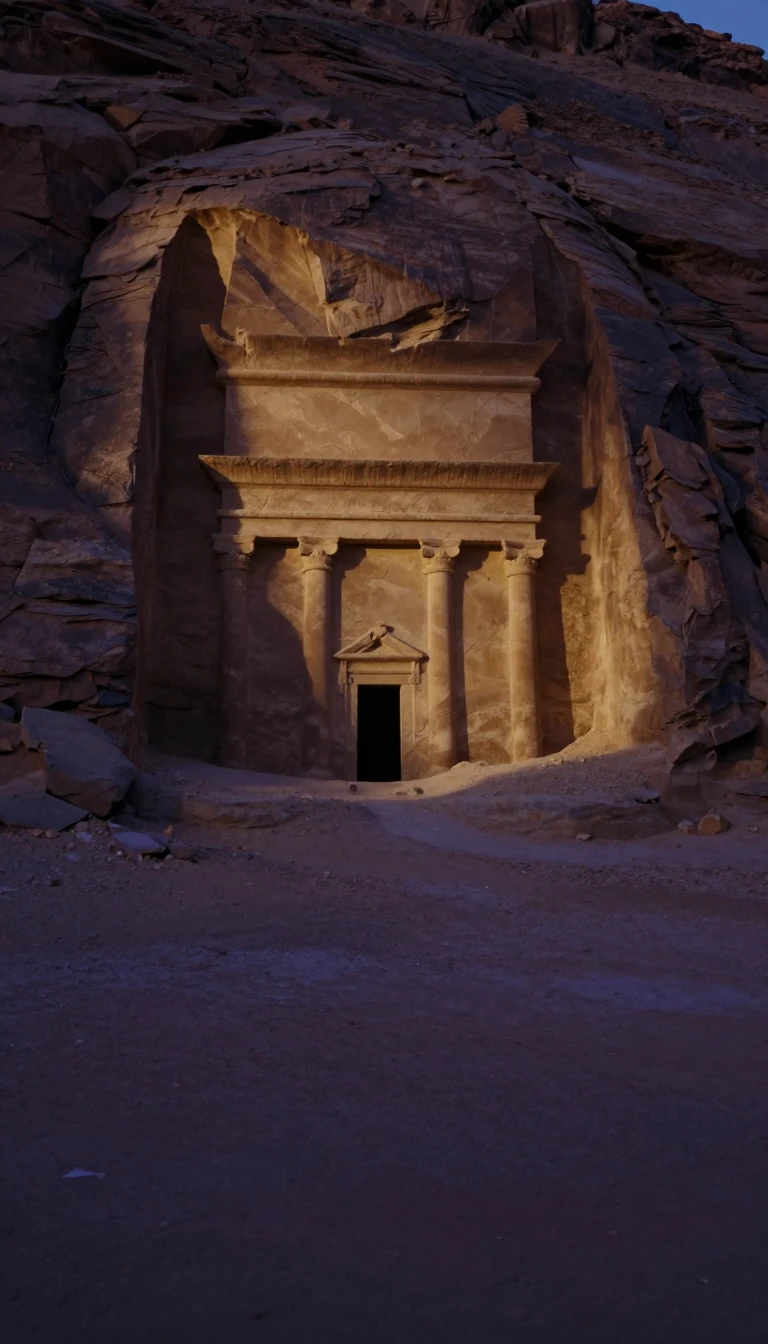
In short: For over two centuries, the Turk Shahis held the Hindu Kush against the expanding Abbasid Caliphate. Their rulers were so formidable that one, Fromo Kesaro, likely inspired the epic legend of King Gesar. He even adopted the title Caesar, honoring the Byzantine Emperor who had successfully repelled their common Arab enemy.
The Turk Shahis emerged in the 7th century, likely from Western Turk or Khalaj origins, replacing the Nezak Huns in the region spanning Kabulistan, Zabulistan, and Gandhara. Their rise was marked by a complex geopolitical dance involving the Chinese Tang dynasty, which granted them titles and nominal vassalage, and the relentless pressure of the Arab Caliphates. Despite the loss of Kabul in 665 CE, the dynasty quickly regained control, establishing a resilient frontier that resisted Islamic expansion for over 250 years.
The dynasty’s most intriguing figure, Fromo Kesaro, ascended in 739 CE. His name is a phonetic adaptation of 'Rome Caesar,' adopted after the Byzantine Emperor Leo III the Isaurian defeated the Arabs at the Siege of Constantinople in 717 CE. Fromo Kesaro’s military success was so significant that he overstruck captured Arab and Sasanian coins with Bactrian inscriptions declaring that he had defeated the Arabs and imposed a tax upon them. This victory likely contributed to the enduring Tibetan epic of Phrom Ge-sar.
By the 9th century, the dynasty faced terminal decline. Following a major defeat in 814/815 CE by the forces of the Abbasid caliph al-Ma'mun, the Turk Shahi ruler was forced to convert to Islam and surrender a massive, jewel-encrusted golden idol, which was later displayed in Mecca. The dynasty finally collapsed around 822 CE when the last ruler, Lagaturman, was deposed by his Brahmin minister, Kallar, marking the transition to the Hindu Shahi dynasty. Throughout their rule, the Turk Shahis acted as patrons of Buddhism, maintaining temples even as the geopolitical landscape shifted beneath them.
The Turk Shahis remain a fascinating case of cultural synthesis, blending Turkic, Buddhist, and Indian influences while navigating the interests of distant empires. Their reliance on Chinese diplomatic recognition, their strategic use of Bactrian script, and their eventual integration into the Islamic world illustrate the fluid, interconnected nature of the post-classical Silk Road.
Opens the Intellect+ feed with this card first. Swipe up for the next one.
Sources
- Summary by Intellect · source: Turk Shahis
To cite this card, link to https://intellectplus.co.uk/app/history-turk-shahis.
How we source, check and correct cards: Editorial standards.
General information, not professional advice. Spotted an error? Flag the card or see corrections and complaints.
Intellect Plus is a visual educational discovery platform for exploring fascinating facts and ideas. Brain Food, Not Brain Rot. What is Intellect Plus?
Related
More in Post-classical · More in History · Latest · A–Z · All topics
