The Turkic expansion was not a single wave but a complex, centuries-long cultural diffusion
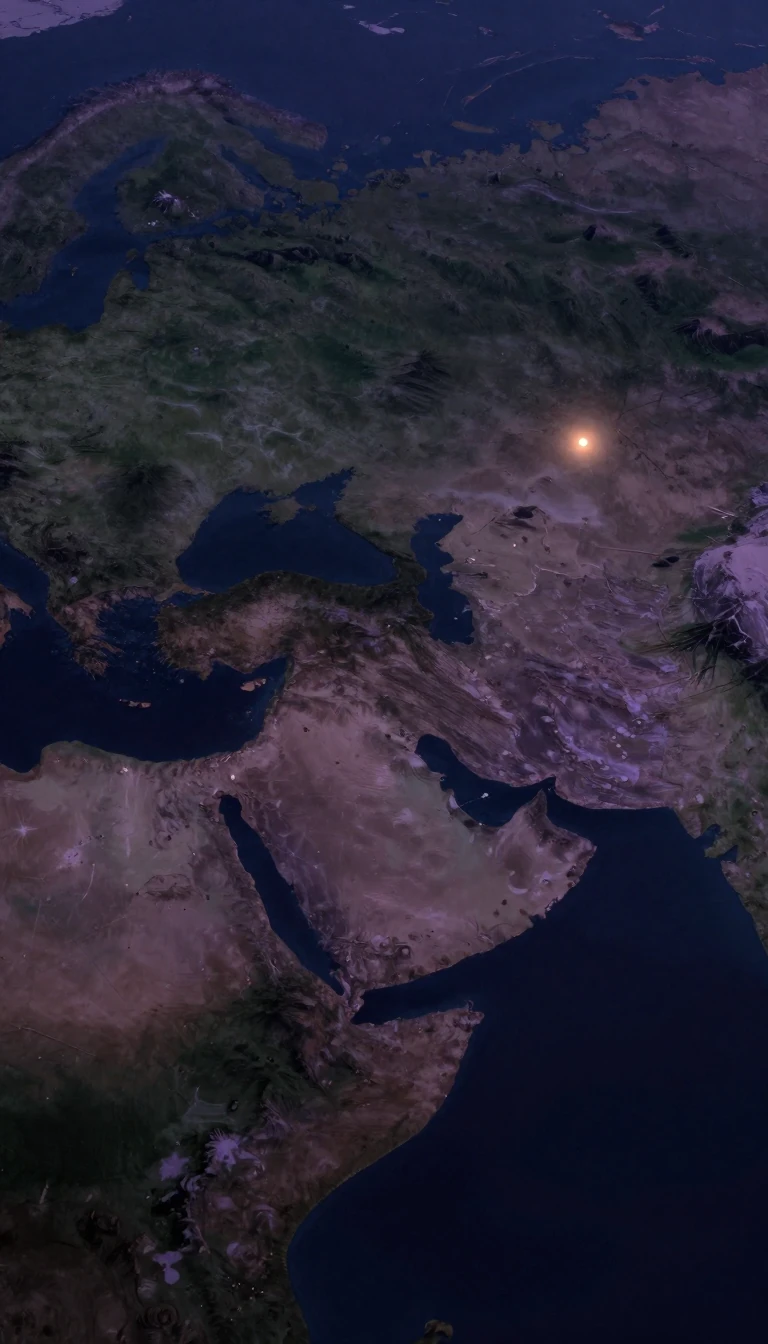
In short: For centuries, the spread of Turkic peoples across Eurasia was viewed as a uniform migration. Modern research reveals a more nuanced reality: the Turkification of the continent was driven by language and political culture, not the movement of a single, homogeneous population. It was a fluid, decentralized process of transformation.
Between the 6th and 11th centuries, Turkic tribes reshaped the Eurasian landscape. The process began with the Göktürks, who dismantled the Rouran Khaganate in the 6th century and established a vast political influence. However, this was not a monolithic expansion. The Göktürk Empire itself was a collection of diverse groups, and many peripheral tribes, such as the Bulgars and Karluks, migrated and evolved with significant autonomy.
Scholars now emphasize that the early Turks were a heterogeneous group. Genetic evidence and linguistic analysis point toward an Inner Asian homeland, likely near South Siberia and Mongolia, but the rise of Turkic identity was largely a result of language diffusion. As tribes adopted the political culture and lingua franca of dominant powers like the Göktürks, they integrated into a broader network. This identity was not universal; many groups under Göktürk dominance maintained their own tribal names and distinct social structures rather than identifying as Turk.
The movement of these peoples was often reactive and fragmented. For instance, the Oghuz Turks, Pechenegs, and Kipchaks were frequently in conflict, shifting across the steppes as they were displaced by other powers or sought new grazing lands. This dynamic led to the formation of diverse states, from the Volga Bulgaria founded by Kotrag to the Seljuq dynasty that eventually established a permanent presence in Anatolia. By the 13th century, Turkic soldiers and tribes had become central figures in the Middle East, fundamentally altering the region's geopolitical and cultural configuration.
Ultimately, the Turkic legacy is one of assimilation and adaptation. Whether through the formation of the Kara-Khanid Khanate or the ethnogenesis of the Salars—who emerged from Turkmen migrants marrying local Tibetan women—Turkic history is defined by its ability to absorb and influence surrounding populations. The term 'Turk' itself evolved, eventually coming to represent a wide array of sedentary and pastoral societies across a vast geographic expanse.
Opens the Intellect+ feed with this card first. Swipe up for the next one.
Sources
- Summary by Intellect · source: Turkic migration
To cite this card, link to https://intellectplus.co.uk/app/history-turkic-migration.
How we source, check and correct cards: Editorial standards.
General information, not professional advice. Spotted an error? Flag the card or see corrections and complaints.
Intellect Plus is a visual educational discovery platform for exploring fascinating facts and ideas. Brain Food, Not Brain Rot. What is Intellect Plus?
Related
More in Post-classical · More in History · Latest · A–Z · All topics
