How a hurricane forms
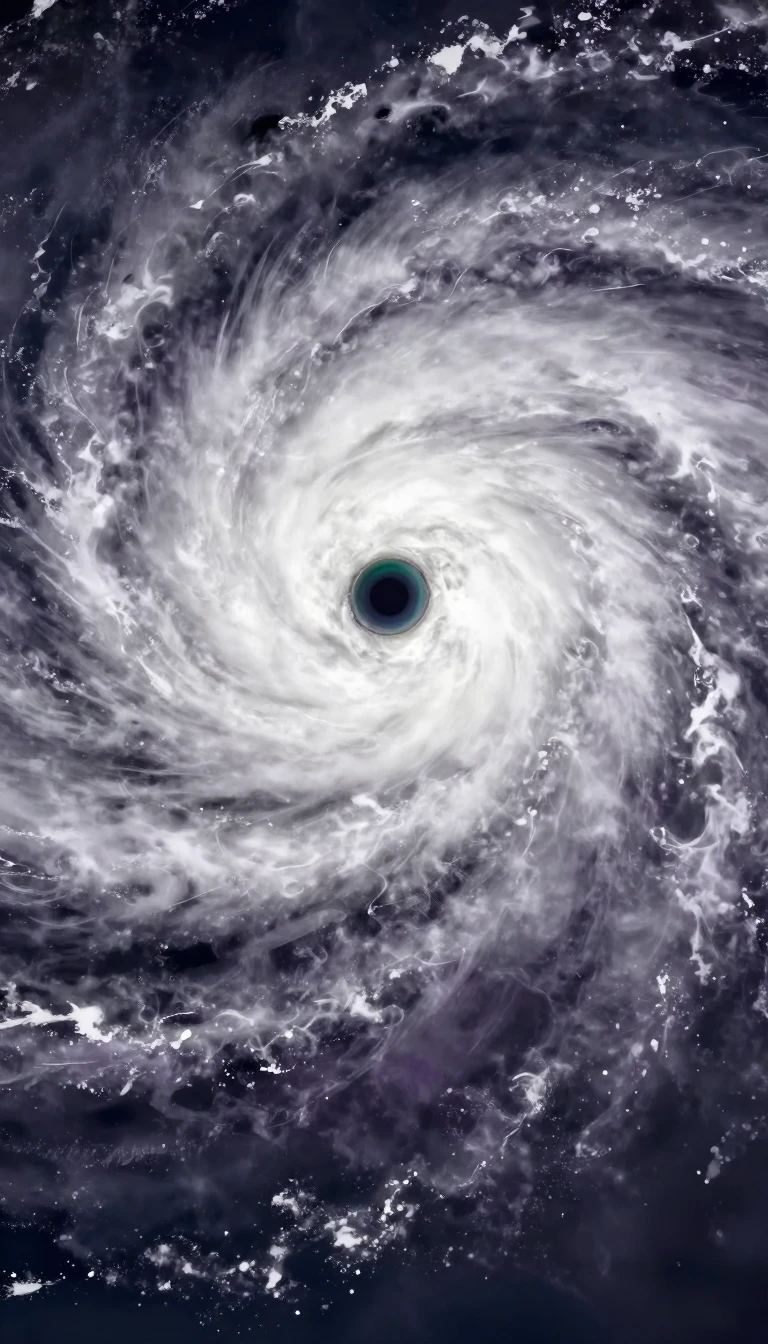
In short: Warm ocean water evaporates, moist air rises around a low-pressure centre and Earth's rotation makes the storm rotate.
1. These storms form over large areas of warm ocean water. 2. Water evaporates from the warm ocean surface and the warm, moist air rises. 3. The storm develops a low-pressure centre. 4. The Coriolis effect from Earth's rotation makes the inflowing air rotate. 5. A strong, rapidly rotating tropical cyclone in the Atlantic is called a hurricane.
Sources: Wikipedia, “Tropical cyclone (Wikipedia)” (CC BY-SA 4.0). Illustrative, not to scale.
Opens the Intellect+ feed with this card first. Swipe up for the next one.
Sources
- Summary by Intellect · source: Tropical cyclone
To cite this card, link to https://intellectplus.co.uk/app/how-a-hurricane-forms.
How we source, check and correct cards: Editorial standards.
General information, not professional advice. Spotted an error? Flag the card or see corrections and complaints.
Intellect Plus is a visual educational discovery platform for exploring fascinating facts and ideas. Brain Food, Not Brain Rot. What is Intellect Plus?
Related
More in Nature · Latest · A–Z · All topics
