How earthquakes happen
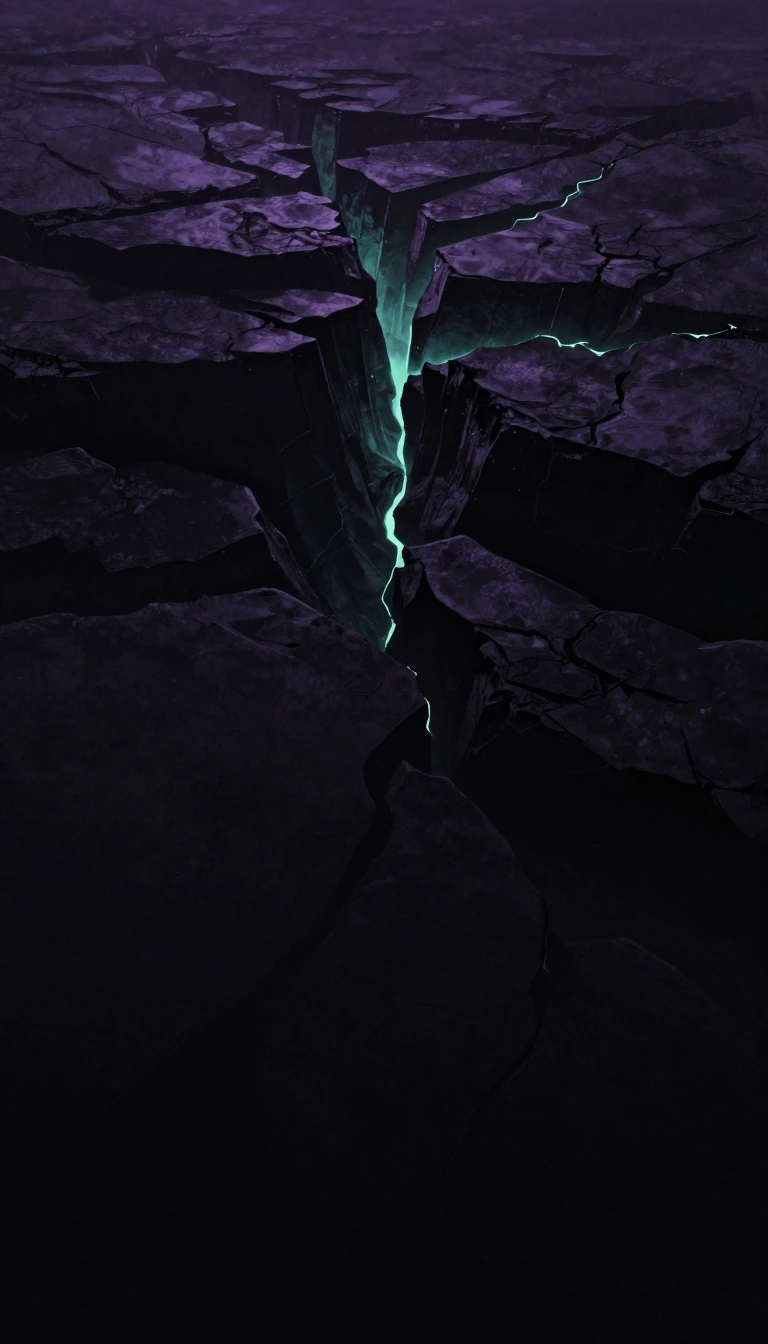
In short: Moving plates lock along a fault, strain builds, the fault slips and seismic waves shake the ground.
1. Tectonic plates move slowly, and the sides of a fault move past each other. 2. Friction along the fault can lock the rocks together. 3. As the plates keep moving, elastic strain builds up in the locked rocks. 4. When the strain overcomes the friction, the fault suddenly slips. 5. The released energy travels out as seismic waves, which shake the ground.
Sources: Wikipedia, “Elastic-rebound theory (Wikipedia)” (CC BY-SA 4.0); Wikipedia, “Earthquake (Wikipedia)” (CC BY-SA 4.0). Illustrative, not to scale.
Opens the Intellect+ feed with this card first. Swipe up for the next one.
Sources
- Summary by Intellect · source: Elastic-rebound theory
- Also: Earthquake
- Also: earthquake.usgs.gov — Reid's Elastic Rebound Theory
- Also: www.britannica.com — Elastic rebound theory | geology | Britannica
To cite this card, link to https://intellectplus.co.uk/app/how-earthquakes-happen.
How we source, check and correct cards: Editorial standards.
General information, not professional advice. Spotted an error? Flag the card or see corrections and complaints.
Intellect Plus is a visual educational discovery platform for exploring fascinating facts and ideas. Brain Food, Not Brain Rot. What is Intellect Plus?
Related
More in Nature · Latest · A–Z · All topics
