The obscure Greek historian who first explained why the Nile floods every year
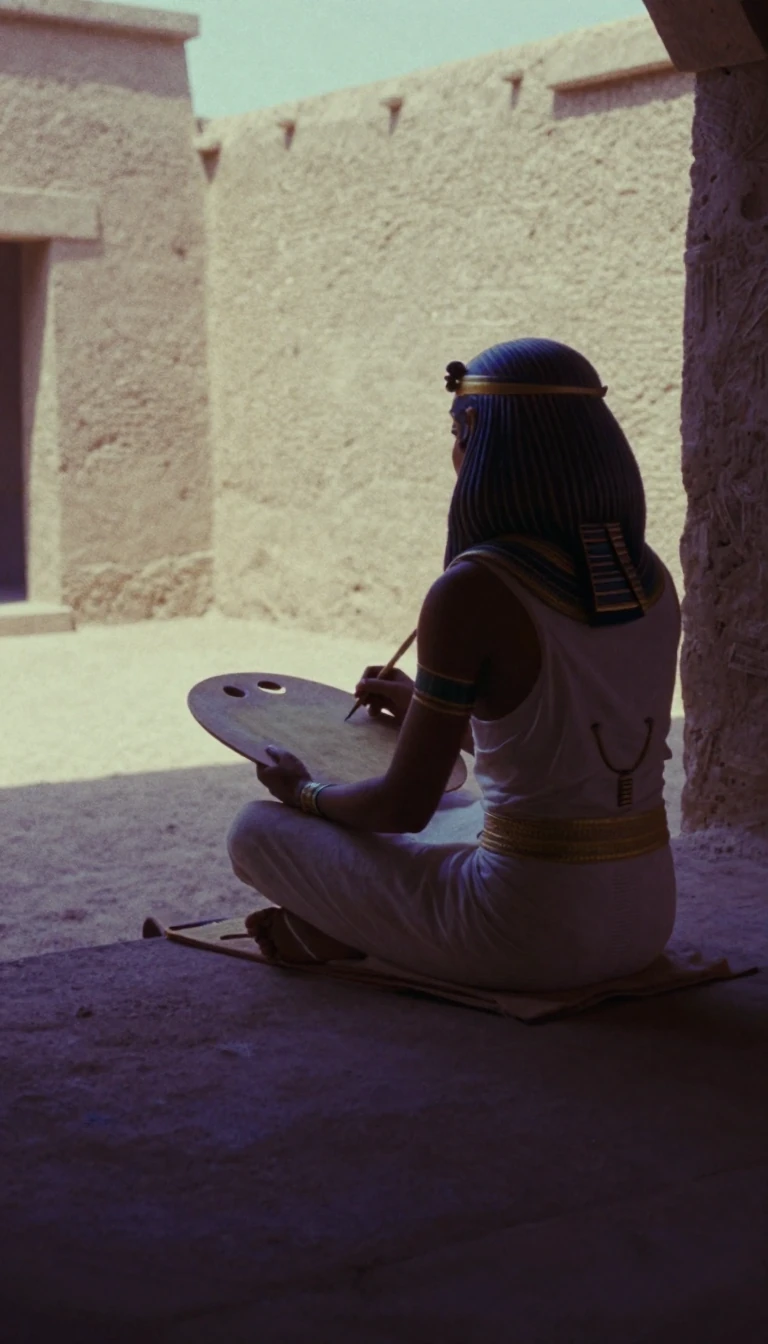
In short: Agatharchides of Cnidus is a ghost in the historical record, yet his work on the Red Sea remains a vital window into the ancient world. From the habits of desert fish-eaters to the mechanics of Egyptian gold mines, his observations shaped how later scholars understood geography and human society.
Born in Cnidus during the 2nd century BC, Agatharchides lived a life defined by proximity to power and the volatility of the Ptolemaic court. As a threptos—a type of assistant of servile origin—to the counselor Cinnaeus, and later as a secretary to the diplomat Heraclides Lembus, he occupied a unique vantage point. His career was eventually derailed by the political instability of Egypt, specifically the purges of intellectuals in Alexandria. Whether these disruptions occurred in 145 BC or 132 BC remains a point of scholarly debate, but the result was the same: he was forced to abandon his research because he could no longer access the official records required to finish his work.
While his massive histories of Asia and Europe are lost to time, his five-book treatise, On the Erythraean Sea, survived through the extensive extracts preserved by the 9th-century scholar Photius. Agatharchides was a meticulous observer, documenting the lives of the Sabaeans and the Ichthyophagi, or fish-eaters, with a sobriety that distinguished him from his predecessors. He was also a keen student of natural phenomena, credited by Diodorus with being the first to identify the true cause of the Nile’s annual inundations. His writing style, which imitated the dignity and clarity of Thucydides, earned him high praise from later readers.
Beyond geography, Agatharchides engaged in social critique. He famously noted the Jews' refusal to defend their city against Ptolemy I Soter due to the constraints of the Sabbath. While some modern observers interpret this as antisemitism, others argue it was a broader philosophical critique of superstition, supported by his similar treatment of other cultural practices. Today, his legacy is preserved not just in the fragments cited by authors like Strabo and Pliny the Elder, but even on the lunar surface, where a crater bears his name.
Opens the Intellect+ feed with this card first. Swipe up for the next one.
Sources
- Summary by Intellect · source: Agatharchides
To cite this card, link to https://intellectplus.co.uk/app/ideas-agatharchides.
How we source, check and correct cards: Editorial standards.
General information, not professional advice. Spotted an error? Flag the card or see corrections and complaints.
Intellect Plus is a visual educational discovery platform for exploring fascinating facts and ideas. Brain Food, Not Brain Rot. What is Intellect Plus?
Related
More in Philosophers · More in Ideas & Philosophy · Latest · A–Z · All topics
