A diplomat, poet, and historian who traveled the Roman world with a talking parrot.
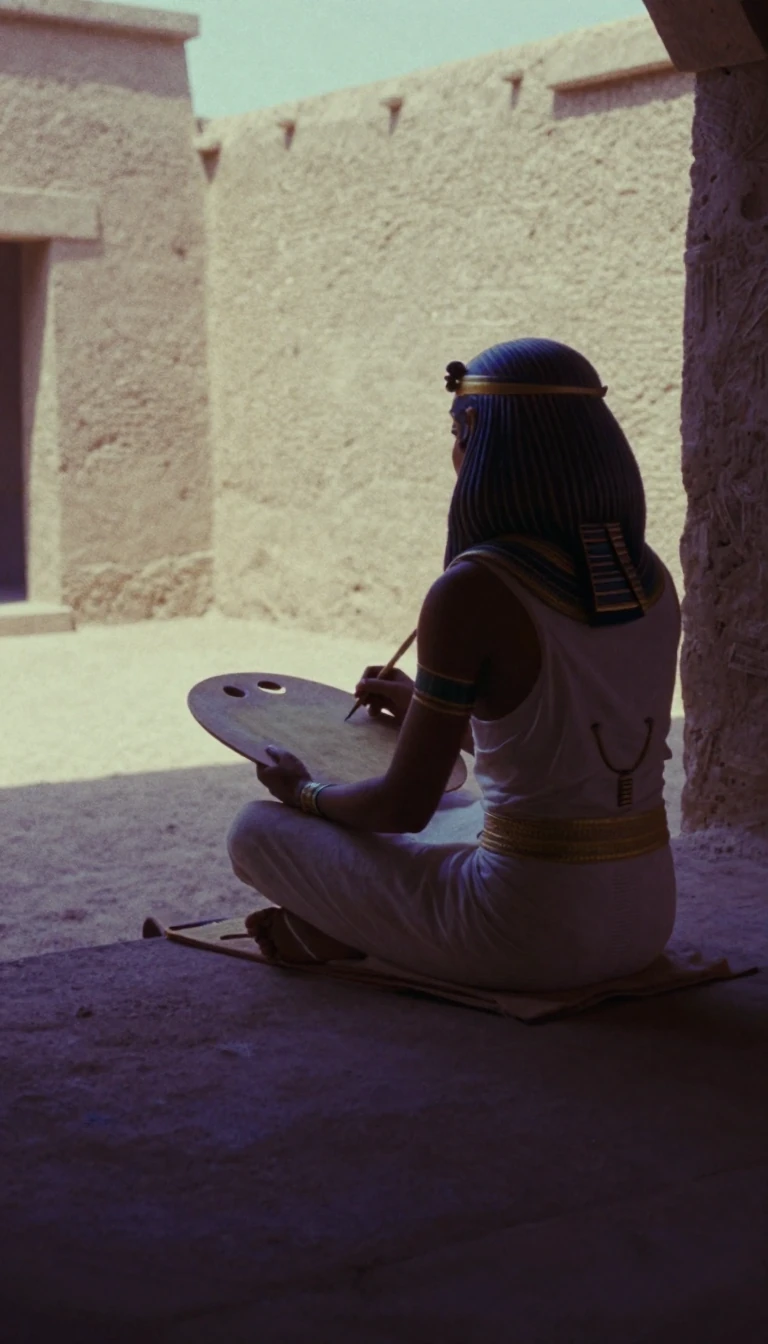
In short: Olympiodorus of Thebes was a fifth-century polymath whose lost history remains a vital window into the crumbling Western Roman Empire. A discreet pagan serving a Christian court, he documented everything from Hunnish archery to the exorbitant wealth of Roman senators, all while accompanied by a parrot for twenty years.
Born in Thebes around 380 AD, Olympiodorus was a product of a sophisticated Egyptian literary culture. After studying philosophy in Athens, he moved to Constantinople, where his classical education and diplomatic skills secured him a place at the court of Theodosius II. His career was defined by extensive travel, including missions to the Huns in 412/3 and the Blemmyes in 419/20. These journeys were not merely administrative; they were intellectual expeditions. He recorded geographical observations, etymological musings, and precise statistics, such as the specific quantities of silk robes and pepper paid as tribute to the Visigoth leader Alaric.
His twenty-two-volume history, now lost, survives through the citations of later writers. It focused on the Western Roman Empire between 407 and 425, a period marked by the sack of Rome and the rise of usurpers. Unlike his contemporaries, Olympiodorus employed a unique style, incorporating Latinisms, slang, and granular data—such as the seating capacity of Roman baths or the annual income of senators. He was a meticulous researcher, gathering information from firsthand witnesses, including former advisers to Stilicho and diplomats who had negotiated with Alaric. His work was not just a narrative but a collection of raw materials, likely intended to inform imperial policy.
The historian’s perspective was notably independent. He maintained a neutral stance on religious conflicts and was unafraid to challenge prevailing narratives, such as his positive assessment of the general Stilicho, whom many others condemned. His writing was also deeply topographical, often using the landscape to frame political events. Whether describing the fossilized remains that suggested the Great Oasis was once an island or recounting the student rituals of Athens, Olympiodorus brought a distinct, observational rigor to his work. Though scholars debate the exact date of his publication—ranging from 427 to 450—his influence on subsequent ecclesiastical and secular historians remains undeniable, cementing his legacy as a bridge between the classical past and the shifting realities of the fifth century.
Opens the Intellect+ feed with this card first. Swipe up for the next one.
Sources
- Summary by Intellect · source: Olympiodorus of Thebes
To cite this card, link to https://intellectplus.co.uk/app/ideas-olympiodorus-of-thebes.
How we source, check and correct cards: Editorial standards.
General information, not professional advice. Spotted an error? Flag the card or see corrections and complaints.
Intellect Plus is a visual educational discovery platform for exploring fascinating facts and ideas. Brain Food, Not Brain Rot. What is Intellect Plus?
Related
More in Philosophers · More in Ideas & Philosophy · Latest · A–Z · All topics
