The ancient historian whose lost works shaped our view of Egypt and the Jews
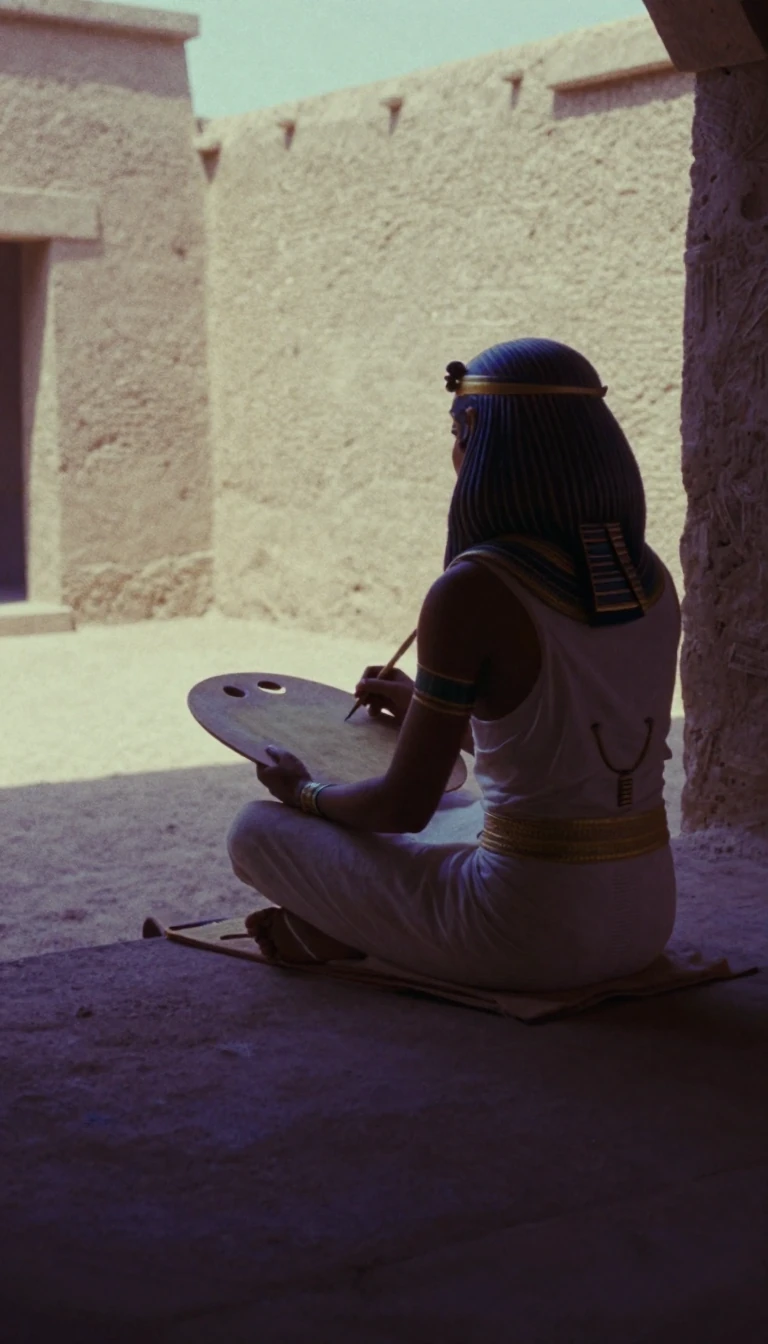
In short: Hecataeus of Abdera left no books behind, yet his influence remains profound. A student of the skeptic Pyrrho, this Hellenistic ethnographer traveled to Egypt under Ptolemy I Soter. His observations on Egyptian culture and the Jewish people became foundational, even if his actual words survive only through later citations.
Born around 360 BCE in the Thracian colony of Abdera, Hecataeus became a pivotal figure in the Hellenistic era. Historian John Dillery highlights his extraordinary importance for understanding how Greeks engaged with non-Greek cultures. As a student of the philosopher Pyrrho, Hecataeus brought a unique perspective to his travels, eventually visiting Thebes during the reign of Ptolemy I Soter, who ruled from 305 to 282 BCE.
His most significant work, Aegyptiaca, written between 320 and 305 BCE, offered an idealized vision of Egypt, praising its political institutions and customs. This text served as a primary source for later writers like Diodorus Siculus, whose own ethnography of Egypt contains the largest collection of Hecataeus’s fragments. Among these is a notable account of the Ramesseum, the tomb of Ramesses II, known to the Greeks as Ozymandias. Hecataeus also provided the first mention of the Jews in ancient Greek literature, a topic that remains a subject of intense scholarly debate.
The legacy of Hecataeus is complicated by the fact that many texts attributed to him are now considered spurious. For instance, a fragment cited by Josephus, which claims that learned Greeks like Aristotle admired the Jews, is widely viewed by modern scholars—including those at the Oxford Classical Dictionary—as the work of a Hellenized Jew rather than Hecataeus himself. Despite these uncertainties, his intellectual footprint persists in the fragments preserved by figures like Clement of Alexandria and the Byzantine encyclopedia known as the Suda, which credits him with a treatise on Homer and Hesiod.
Opens the Intellect+ feed with this card first. Swipe up for the next one.
Sources
- Summary by Intellect · source: Hecataeus of Abdera
- Also: www.britannica.com — Hecataeus of Abdera | Greco-Egyptian writer | Britannica
To cite this card, link to https://intellectplus.co.uk/app/ideas-hecataeus-of-abdera.
How we source, check and correct cards: Editorial standards.
General information, not professional advice. Spotted an error? Flag the card or see corrections and complaints.
Intellect Plus is a visual educational discovery platform for exploring fascinating facts and ideas. Brain Food, Not Brain Rot. What is Intellect Plus?
Related
More in Philosophers · More in Ideas & Philosophy · Latest · A–Z · All topics
