In Ancient Mesopotamia, Gods Were Physical Beings Who Required Daily Care and Feeding
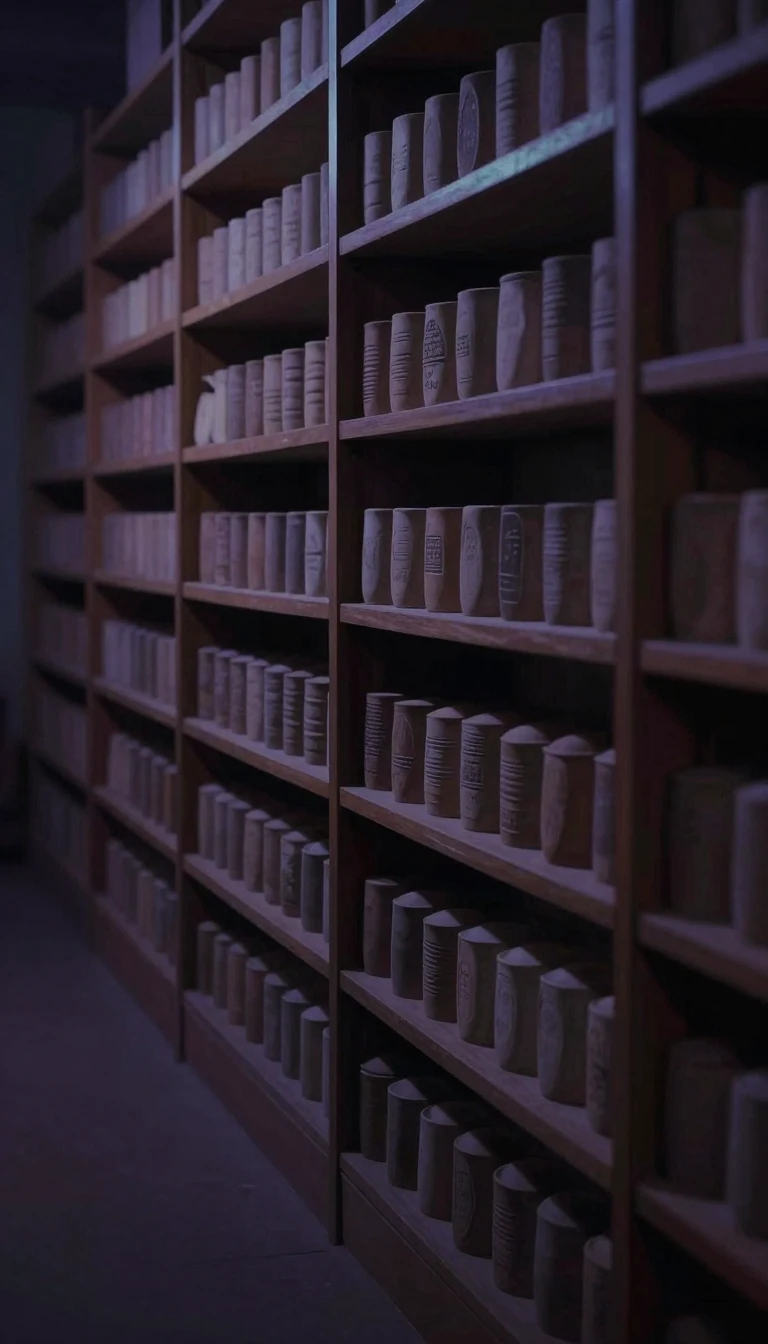
In short: Ancient Mesopotamians viewed their deities not as distant spirits, but as physical entities living within temple residences. These gods required constant maintenance, including clothing and elaborate feasts provided by priests. Their statues served as literal embodiments, often transported on barges or chariots to witness battles or participate in religious festivals.
Mesopotamian deities were envisioned as anthropomorphic figures of immense size, often adorned in terrifying splendor known as melam. This substance, which could also be worn by heroes or kings, induced a physical sensation of fear in humans called ni. To signify their status, these gods were typically depicted wearing horned caps made of up to seven pairs of ox-horns. Their presence was so tangible that their temples functioned as literal homes, where priests tended to cult statues as if they were living beings, providing them with food and clothing.
The divine hierarchy was dynamic, evolving over four distinct phases across millennia. While early deities focused on basic survival, later periods saw the emergence of structured hierarchies and the deification of kings. By the first millennium BC, gods became closely tied to specific empires. The pantheon was vast; cuneiform texts have preserved the names of over 3,000 deities. Scholarly works like the Babylonian An = Anum list provided detailed information on the relationships, functions, and even the servants of these gods, demonstrating a sophisticated understanding of divine order.
Decision-making among the gods occurred in the assembly of the gods, a divine reflection of the legislative systems seen during the Third Dynasty of Ur (c. 2112–2004 BC). The composition of this assembly shifted significantly depending on the era and location. While early traditions often prioritized An, Enlil, and Enki, later periods saw local supremacy for gods like Marduk in Babylonia or Assur in Assyria. Even the collective terms for these groups, such as the Anunnaki and Igigi, were fluid, sometimes used synonymously to describe the major deities of heaven and earth who decreed the fates of mankind.
Cosmology was deeply rooted in the number seven, with the most powerful deities often referred to as the seven gods who decree. Many of these figures were associated with celestial bodies, such as Utu with the Sun and Nanna with the Moon. Creation stories also evolved, growing from simple Sumerian narratives into complex, multi-generational epics like the Enûma Eliš, which synthesized centuries of tradition to explain the origins of the divine world.
Opens the Intellect+ feed with this card first. Swipe up for the next one.
Sources
- Summary by Intellect · source: List of Mesopotamian deities
- Also: Wikidata — list of Mesopotamian deities · CC0
To cite this card, link to https://intellectplus.co.uk/app/places-list-of-mesopotamian-deities.
How we source, check and correct cards: Editorial standards.
General information, not professional advice. Spotted an error? Flag the card or see corrections and complaints.
Intellect Plus is a visual educational discovery platform for exploring fascinating facts and ideas. Brain Food, Not Brain Rot. What is Intellect Plus?
Related
More in Historical cities · More in Countries & Cities · Latest · A–Z · All topics
