Why your brain needs the gentle distraction of a drifting cloud
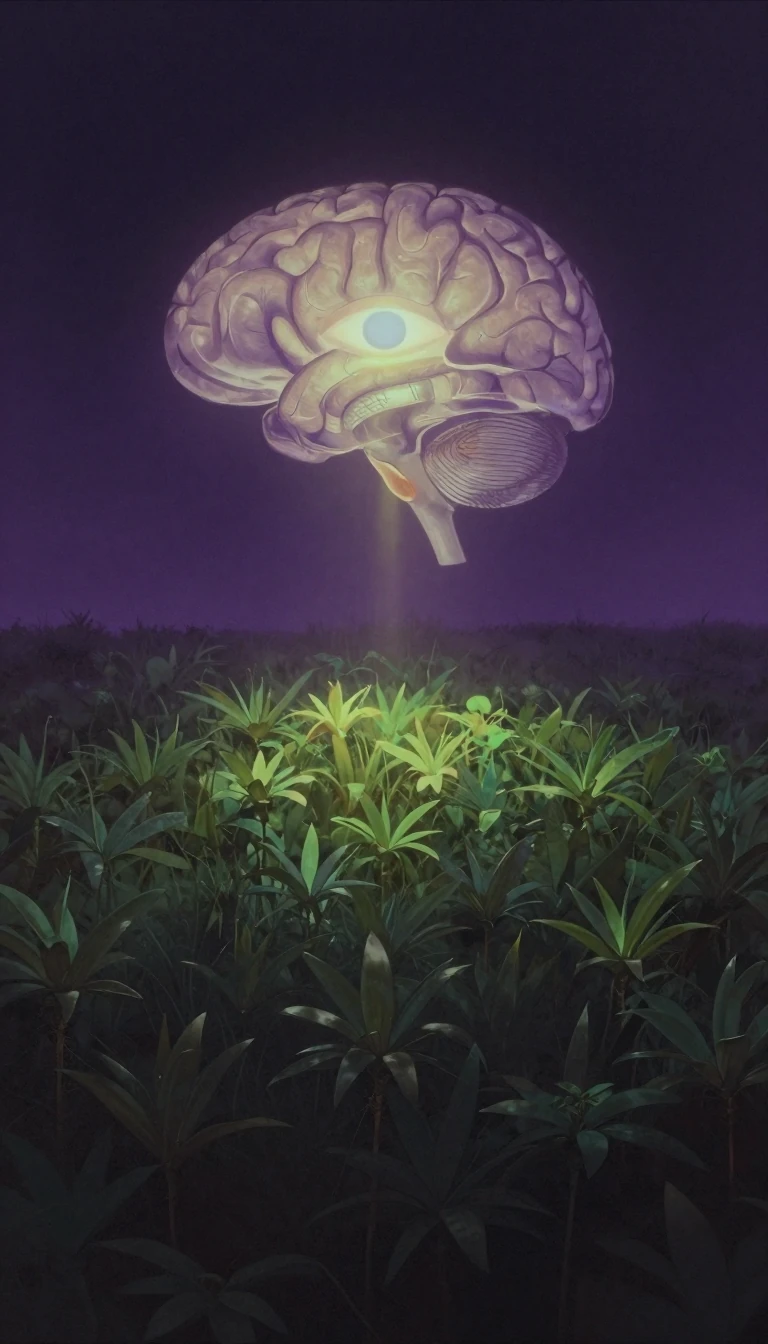
In short: Modern life demands constant, effortful focus, leading to a state of mental exhaustion known as directed attention fatigue. But there is a way to recover. By engaging with environments that offer 'soft fascination,' we can allow our cognitive resources to replenish and restore our ability to focus.
Developed by Stephen and Rachel Kaplan, Attention Restoration Theory (ART) suggests that natural settings provide a unique cognitive respite. Unlike 'hard fascination'—the intense, capturing attention of video games or sporting events—nature offers 'soft fascination.' This involves effortless, outward-directed attention on gentle stimuli, such as rustling leaves or flowing water, which allows the mind to wander without losing its focus on the environment. This mechanism draws on William James' distinction between voluntary, goal-oriented focus and the automatic, involuntary attention captured by engaging stimuli. This process is often linked to the Biophilia Hypothesis, which suggests humans possess an evolutionary instinct to seek out natural landscapes.
The Kaplans identified four essential properties of a restorative setting: being away (a sense of distance from routine), extent (sufficient scope to invite exploration), compatibility (a fit between the setting and one's purpose), and fascination. This process is often discussed alongside Stress Reduction Theory (SRT), which focuses on the emotional and physiological recovery provided by nature. While some researchers once argued these benefits were purely emotional, newer perspectives suggest they are interconnected via the vagus nerve. While Roger Ulrich's Stress Reduction Theory initially proposed that these advantages were purely physiological, the two frameworks are now viewed as complementary. Newer research proposes that mental and emotional restoration occur simultaneously, as the vagus nerve connects the underlying mind-body system that powers both processes.
The cognitive benefits of nature are most consistent in the domains of executive attention and working memory. A 2025 meta-analysis found that benefits are more reliable with exposures lasting 30 minutes or longer, though there are diminishing returns with much longer periods. Interestingly, while spending at least two hours in nature per week correlates with feeling well, these benefits tend to level off after approximately 200 to 300 minutes of exposure. Beyond cognitive tasks, nature-based interventions like forest bathing or horticulture can improve mood and wellbeing. In educational settings, both active outdoor learning and passive viewing through windows have been shown to enhance student learning outcomes.
Opens the Intellect+ feed with this card first. Swipe up for the next one.
Sources
- Summary by Intellect · source: Attention restoration theory
To cite this card, link to https://intellectplus.co.uk/app/ideas-attention-restoration-theory.
How we source, check and correct cards: Editorial standards.
General information, not professional advice. Spotted an error? Flag the card or see corrections and complaints.
Intellect Plus is a visual educational discovery platform for exploring fascinating facts and ideas. Brain Food, Not Brain Rot. What is Intellect Plus?
Related
More in Attention · More in Ideas & Philosophy · Latest · A–Z · All topics
