Why the ancient Greeks feared the personification of lawlessness more than any other force
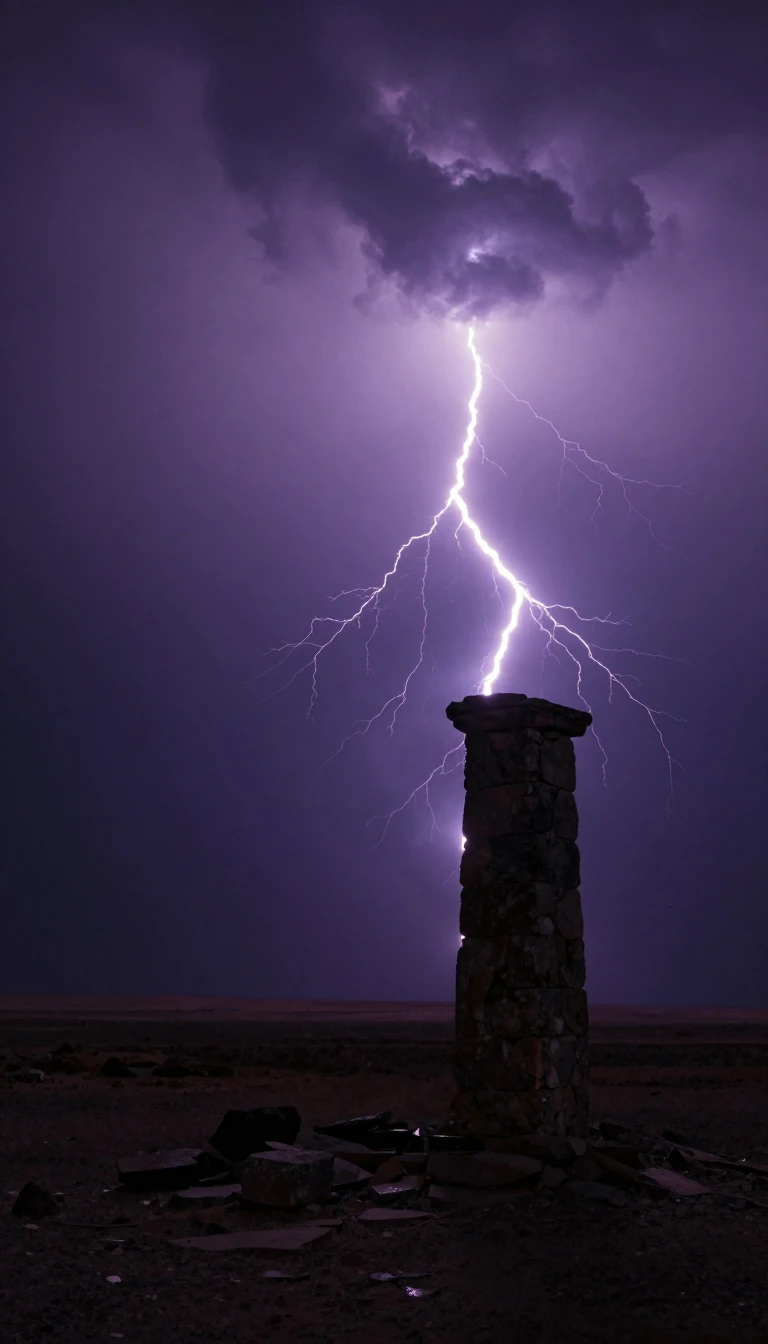
In short: In Greek mythology, Dysnomia is the chilling personification of lawlessness and bad government. Born from the goddess of strife, she represents the chaotic decay that follows social discord. While she remains a figure of ancient myth, her name lives on today in the cold, dark reaches of our solar system.
In the genealogical framework of Hesiod’s Theogony, Dysnomia emerges as a direct offspring of Eris, the goddess of strife. Unlike many other deities who possess complex backstories or distinct personalities, Dysnomia functions primarily as an allegorical abstraction. She has no father and no identity beyond her role as a manifestation of disorder. Hesiod links her closely to Ate, the spirit of recklessness, noting that the two are remarkably similar in nature. Together, they represent the harmful consequences that inevitably arise when harmony is replaced by conflict and internal division.
The Athenian statesman Solon provided a stark political interpretation of this deity, positioning her as the antithesis of Eunomia, the personification of ideal governance. For Solon, Dysnomia was not merely a mythological figure but a tangible threat to the stability of the city-state. He argued that she was the root cause of the countless ills plaguing Athens, including the unchecked greed of the ruling class, systemic injustice, the enslavement of the poor, and the devastating reality of civil war. By contrasting her with the orderly nature of Eunomia, Solon emphasized that lawlessness acts as a corrosive force that dismantles the structures necessary for a functional society.
The legacy of this ancient concept has persisted into the modern era, albeit in a vastly different context. In 2005, the name Dysnomia was chosen for the moon orbiting the dwarf planet Eris. This astronomical naming convention serves as a nod to the mythological lineage of the deity, as the moon is the companion to the planet named after the goddess of strife. This transition from a political warning in ancient Athens to a celestial body highlights the enduring power of Greek mythology to categorize and name the chaotic forces observed both in human society and the wider universe.
Opens the Intellect+ feed with this card first. Swipe up for the next one.
Sources
- Summary by Intellect · source: Dysnomia (deity)
To cite this card, link to https://intellectplus.co.uk/app/ideas-dysnomia-deity.
How we source, check and correct cards: Editorial standards.
General information, not professional advice. Spotted an error? Flag the card or see corrections and complaints.
Intellect Plus is a visual educational discovery platform for exploring fascinating facts and ideas. Brain Food, Not Brain Rot. What is Intellect Plus?
Related
More in Greek mythology · More in Ideas & Philosophy · Latest · A–Z · All topics
