Why the ancient Greeks believed a buried giant caused Mount Etna to erupt
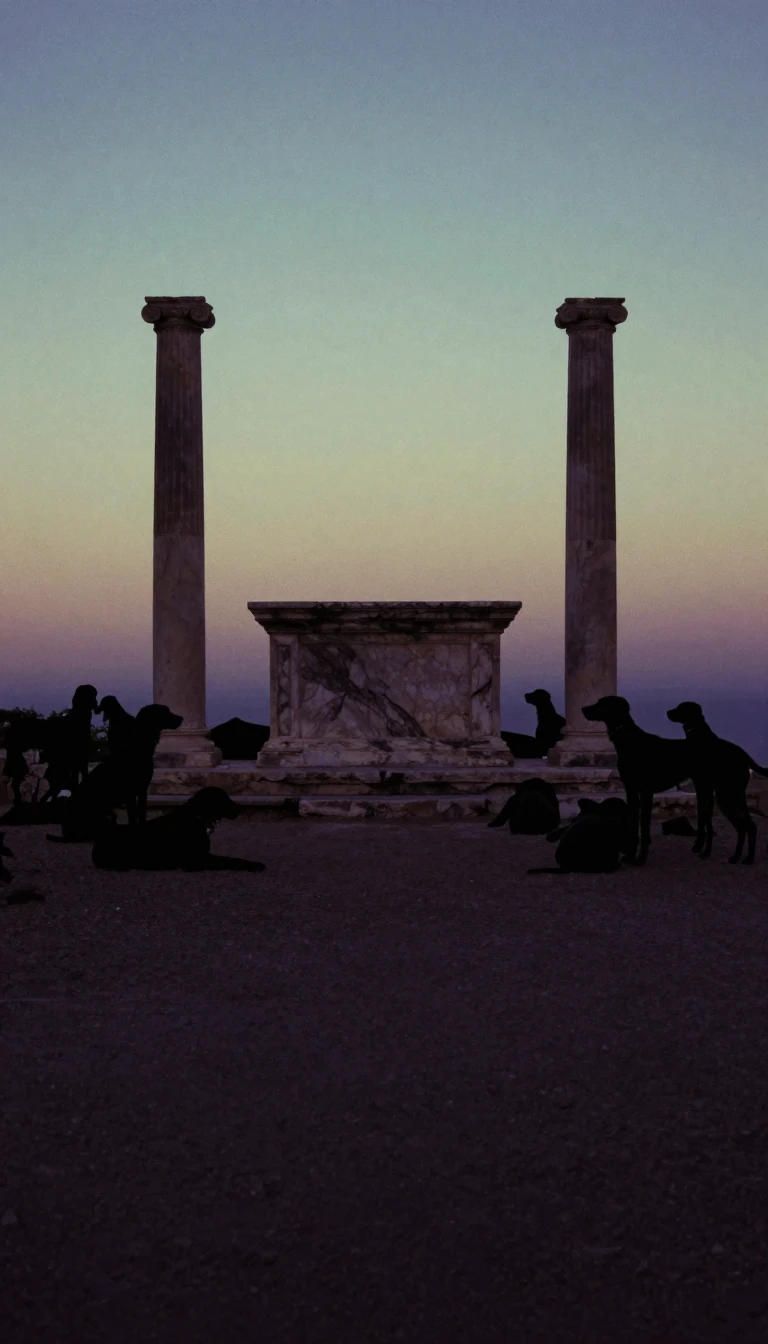
In short: In Greek mythology, Enceladus was a formidable giant defeated by the gods and entombed beneath Sicily. Ancient observers interpreted the volcanic activity of Mount Etna as the restless movements of the imprisoned titan, whose fiery breath and shifting shoulders were said to trigger earthquakes and eruptions across the island.
Enceladus was one of the Giants, the offspring of Gaia and Uranus. During the Gigantomachy, the epic war for control of the cosmos, he fought against the Olympian gods. While he is most famously associated with Athena, who is depicted in art as early as the sixth century BC brandishing her shield against him, other accounts attribute his defeat to Zeus, who struck him down with a thunderbolt. Some traditions even credit the wine god Dionysus or his companion Silenus with his downfall.
The myth of his imprisonment varies, but the most persistent tradition holds that he was buried under Mount Etna in Sicily. Poets like Virgil, Statius, and Claudian described the mountain as his tomb, suggesting that the volcano’s sulfurous smoke and tremors were the result of the giant’s suffering. When Enceladus shifted his weight or breathed in his confinement, the island shook, and the mountain erupted. This narrative served as a powerful mythological explanation for the volatile geological nature of the region.
The figure of Enceladus has left a lasting mark on culture, appearing in the works of Shakespeare, Keats, and Melville. His legacy even extends into modern science and geography. Saturn’s moon Enceladus is named after the giant, a fitting choice given that the moon’s south pole features massive cryovolcanic plumes of ice and water vapor. While the moon is now a primary focus for scientists searching for signs of habitability in our solar system, the name remains a nod to the ancient titan who once embodied the raw, destructive power of the earth.
Opens the Intellect+ feed with this card first. Swipe up for the next one.
Sources
- Summary by Intellect · source: Enceladus (Giant)
To cite this card, link to https://intellectplus.co.uk/app/ideas-enceladus-giant.
How we source, check and correct cards: Editorial standards.
General information, not professional advice. Spotted an error? Flag the card or see corrections and complaints.
Intellect Plus is a visual educational discovery platform for exploring fascinating facts and ideas. Brain Food, Not Brain Rot. What is Intellect Plus?
Related
More in Greek mythology · More in Ideas & Philosophy · Latest · A–Z · All topics
