Elysium: From a Mythical Afterlife for Heroes to a Modern Symbol of Luxury
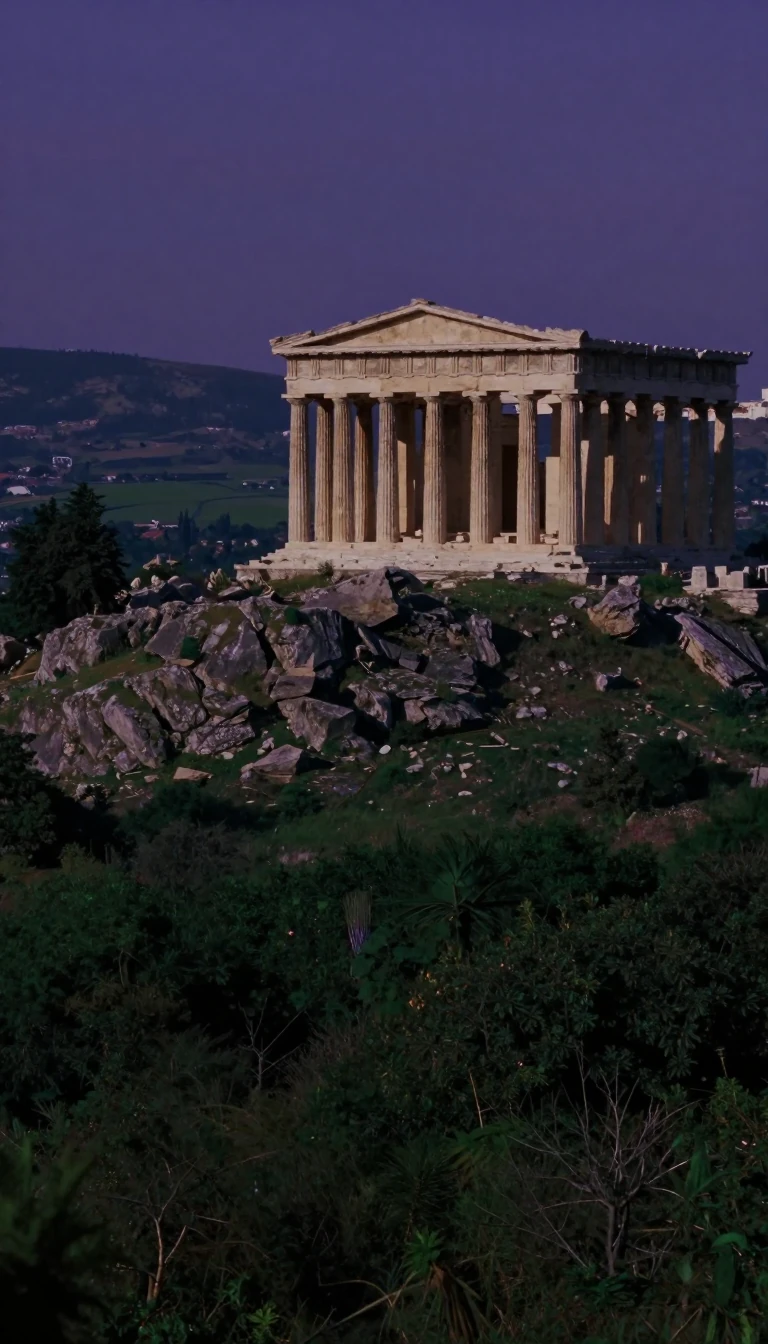
In short: Originally a restricted paradise for the heroic and divine, Elysium evolved from a shadowy Greek underworld concept into a versatile cultural shorthand for perfection. Whether as a lush afterlife, a political metonym, or a dystopian space station, this elusive realm has captivated human imagination for thousands of years.
In its earliest iterations, Elysium was a select destination for those with divine lineage or heroic status, distinct from the broader realm of Hades. Homer placed these fields at the western edge of the world, where the climate was perpetually mild and free from storms. By the time of Hesiod and Pindar, the concept shifted toward the 'Isles of the Blessed,' a singular, idyllic island where the righteous lived free from toil, sustained by a land that yielded fruit three times a year under the rule of Cronus or Rhadamanthus.
The etymology of the word remains uncertain, though scholars like Eustathius of Thessalonica have linked it to concepts of incorruptibility or deep, stirring joy. As the idea matured, it absorbed diverse influences; Diodorus even suggested that the Greek vision of these fields was inspired by Egyptian funerary customs near Memphis. By the time Virgil wrote the Aeneid, Elysium had become a structured landscape of crystal streams and shady groves, a place where souls resided in a state of perpetual spring, illuminated by their own stars.
Over centuries, the term transcended its pagan roots. Early Christian writers adopted it, and Renaissance thinkers reimagined it as a bright, heroic paradise. This legacy persists in modern geography and culture, from the Champs-Élysées in Paris—a metonym for the French presidency—to the orbital luxury station in the 2013 film Elysium. Whether referenced in Beethoven’s 'Ode to Joy' or used to describe the rural beauty of Middlesex, Elysium remains a powerful, shifting symbol of a life free from the burdens of the mortal world.
Opens the Intellect+ feed with this card first. Swipe up for the next one.
Sources
- Summary by Intellect · source: Elysium
To cite this card, link to https://intellectplus.co.uk/app/ideas-elysium.
How we source, check and correct cards: Editorial standards.
General information, not professional advice. Spotted an error? Flag the card or see corrections and complaints.
Intellect Plus is a visual educational discovery platform for exploring fascinating facts and ideas. Brain Food, Not Brain Rot. What is Intellect Plus?
Related
More in Greek mythology · More in Ideas & Philosophy · Latest · A–Z · All topics
