Zoroastrian fire temples are not designed to glorify the building but to house fire.
In short: Zoroastrian fire temples are functional, often nondescript structures built to house sacred flames. Far from being mere monuments, these temples are classified by the grade of fire they contain, with the most prestigious requiring years of ritual preparation and the gathering of sixteen distinct types of fire to consecrate.
The fire temple, or atashkada, is a central institution in Zoroastrianism, though its development was a later doctrinal addition. Early Zoroastrian worship focused on the open sky and hearth fires, with no mention of temples in the Avesta. By the Parthian Empire, however, the shift toward fire-based worship accelerated, and by the Sassanid era, fire altars had largely replaced statues of divinities. These temples were designed with a characteristic domed sanctuary, or gombad, often featuring a square ground plan supported by four pillars.
Temples are strictly categorized by the sanctity of the fire they maintain. The lowest grade, the Atash Dadgah, can be consecrated in hours, while the Atash Adaran, or 'Fire of Fires,' requires weeks of preparation and embers from four professional classes of society. The highest grade, the Atash Behram, or 'Fire of Victory,' is the most complex. Its consecration involves thirty-two priests and up to a year of work, during which sixteen different types of fire—ranging from lightning to furnace flames—are collected and purified.
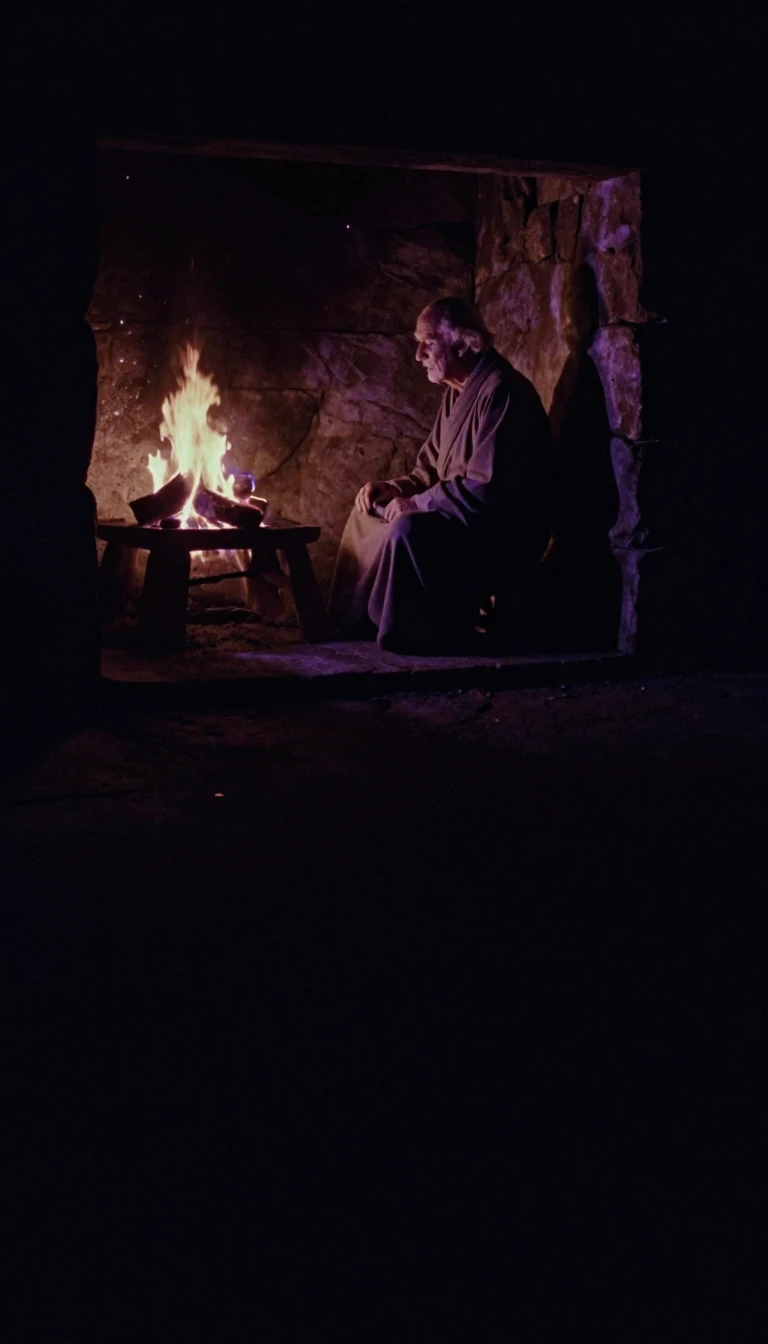
Today, there are 167 fire temples worldwide, with the majority located in India. The most important of these, the Iranshah Atash Behram in Udvada, is central to Parsi identity. Legend suggests that refugees fleeing to India carried the embers of their faith with them, a tradition that persists in the continuous burning of these sacred fires. Despite their significance, the architecture remains intentionally plain. The innermost sanctum, where the fire-altar stands, is accessible only to priests and is designed to exclude direct sunlight, ensuring the fire remains the sole source of light in the chamber.
The historical evolution of these sites is complex, as many ruins once identified as fire temples have been reclassified as secular or belonging to other traditions. Even the 'Great Fires' of antiquity, once associated with imperial sovereignty and legendary heroes, are now often viewed by contemporary priests as belonging more to the mythological realm than to physical history. Nevertheless, the practice of maintaining these fires continues to serve as a vital link to Zoroastrian cosmology and communal identity.
Opens the Intellect+ feed with this card first. Swipe up for the next one.
Sources
- Summary by Intellect · source: Fire temple
To cite this card, link to https://intellectplus.co.uk/app/ideas-fire-temple.
How we source, check and correct cards: Editorial standards.
General information, not professional advice. Spotted an error? Flag the card or see corrections and complaints.
Intellect Plus is a visual educational discovery platform for exploring fascinating facts and ideas. Brain Food, Not Brain Rot. What is Intellect Plus?
Related
More in Religion and spirituality · More in Ideas & Philosophy · Latest · A–Z · All topics
