Why Zoroastrians place their dead in towers to be consumed by birds of prey.
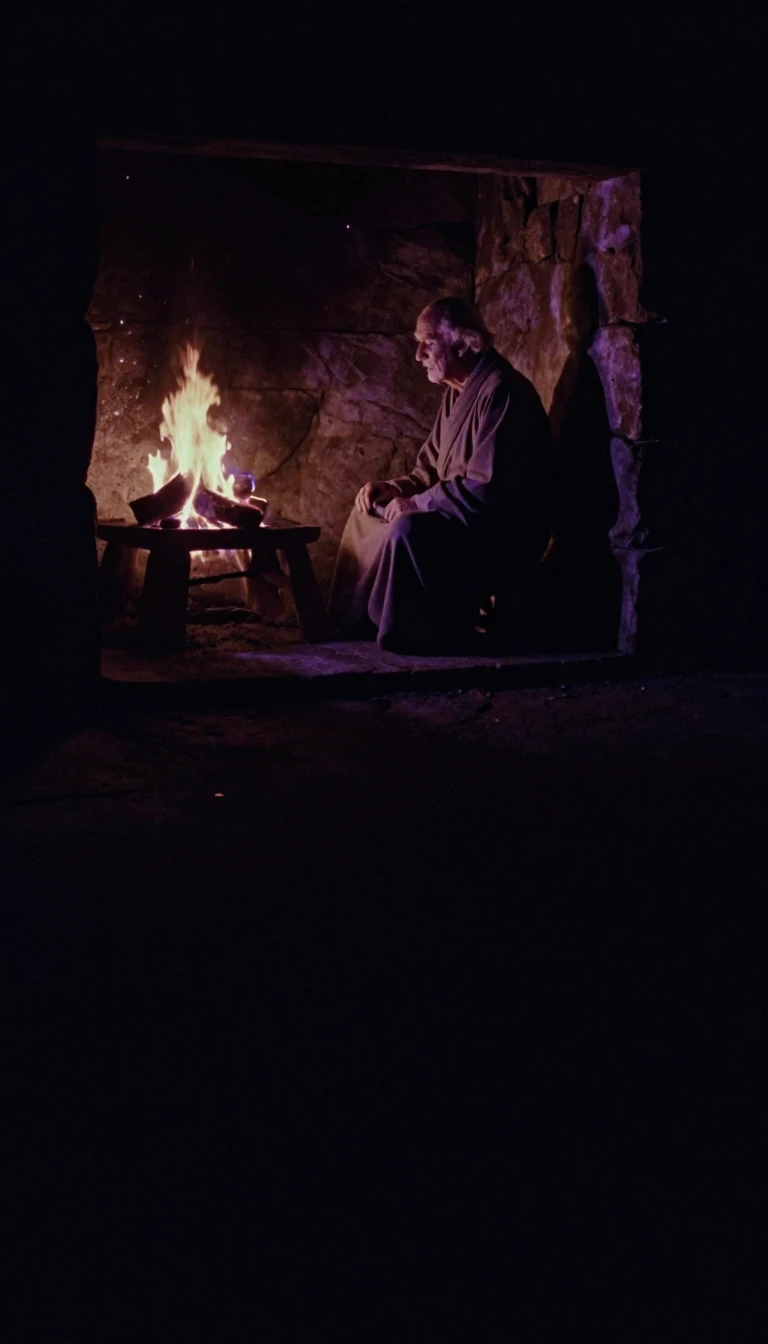
In short: The Tower of Silence, or dakhma, is a sacred structure designed to prevent the contamination of earth, fire, and water by human remains. By exposing bodies to the elements and scavengers, Zoroastrians ensure that putrefaction is avoided, turning a final funerary rite into an act of charity for nature.
The practice of ritual exposure, known as excarnation, is rooted in the belief that a corpse is nasu—an unclean, polluting entity. According to the Vīdēvdād, a corpse demon is thought to contaminate anything it touches. To protect the sacred elements of earth, water, and fire, the dead are placed atop these circular, raised structures. Once scavengers like vultures have consumed the soft tissue, the remaining bones are bleached by the sun and wind before being collected in a central ossuary pit, where they eventually disintegrate through lime and filtration systems.
While ritual exposure is ancient, the iconic towers themselves are a later development, first documented in the early 9th century CE. Earlier accounts, such as those by Herodotus in the 5th century BCE, describe clandestine funerary rites involving exposure to dogs and birds, but not the specific tower architecture seen today. Modern dakhmas feature concentric rings for the placement of bodies: the outer ring for men, the middle for women, and the innermost for children. Access is strictly limited to a specialized class of pallbearers known as nusessalars.
The tradition faces significant modern challenges, most notably the collapse of the vulture population on the Indian subcontinent, which declined by over 97% by 2008 due to diclofenac poisoning. This environmental crisis has forced the Parsi community to explore alternatives like solar concentrators or, in some cases, burial in cement-lined graves. Furthermore, as cities have expanded, many towers that were once isolated now sit near urban centers, leading to debates over their continued use and the rights of community members in mixed-marriage families to access these sacred sites.
Opens the Intellect+ feed with this card first. Swipe up for the next one.
Sources
- Summary by Intellect · source: Tower of Silence
- Also: www.britannica.com — Dakhma | Tower of Silence, Funerary Rituals, Parsi Community | Britannica
To cite this card, link to https://intellectplus.co.uk/app/history-tower-of-silence.
How we source, check and correct cards: Editorial standards.
General information, not professional advice. Spotted an error? Flag the card or see corrections and complaints.
Intellect Plus is a visual educational discovery platform for exploring fascinating facts and ideas. Brain Food, Not Brain Rot. What is Intellect Plus?
Related
More in Early modern · More in History · Latest · A–Z · All topics
