The Mystery of the Ancient Cham Temples: Why Their Construction Remains a Puzzle
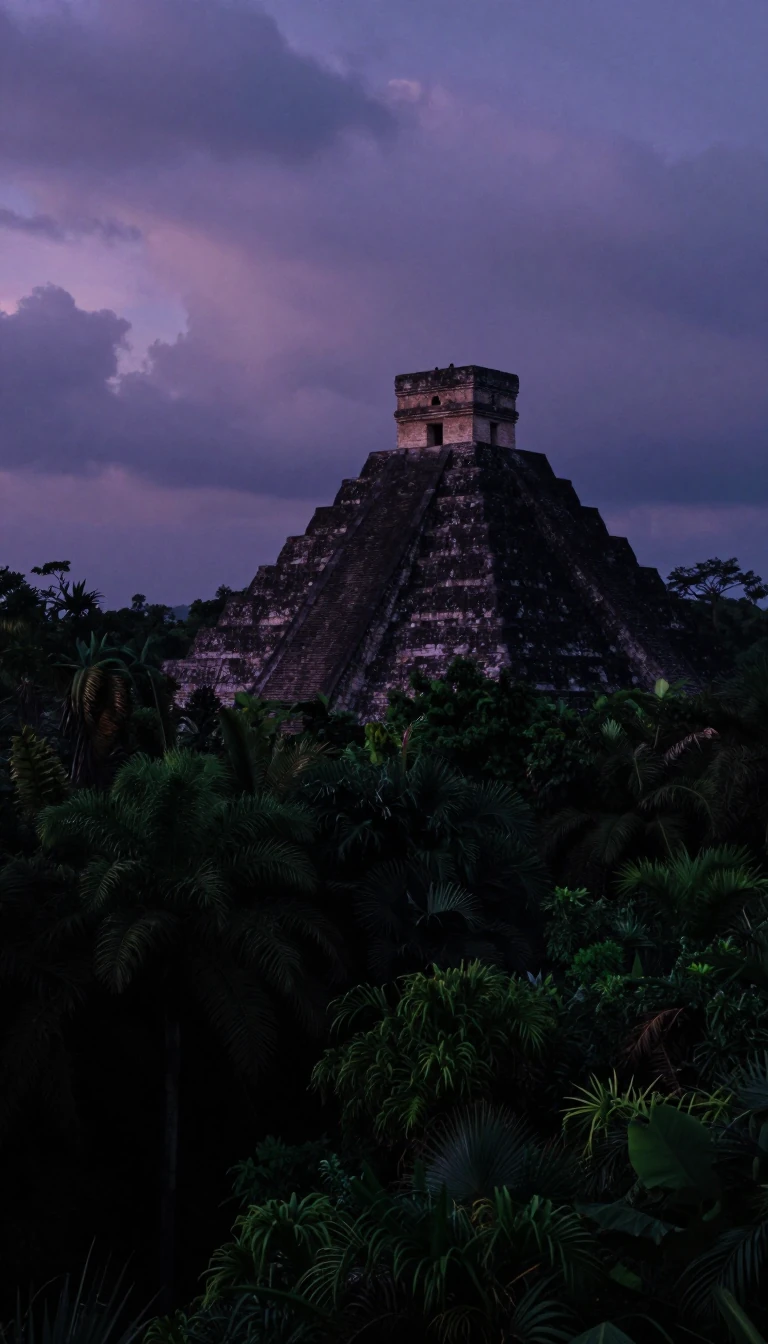
In short: Hidden in a lush valley in central Vietnam, the Mỹ Sơn sanctuary served as the religious heart of the Champa kingdom for nearly a millennium. While these Shaiva Hindu temples are architectural marvels, the precise techniques used by the Cham to fire their bricks and carve intricate designs remain debated.
Established between the 4th and 13th centuries, Mỹ Sơn was the spiritual center for the Cham people, functioning as a site for royal ceremonies and the burial of kings. The complex, which once contained over 70 structures, was dedicated to Shiva, particularly under the name Bhadreśvara. King Bhadravarman I, who reigned from 380 to 413, founded the site and famously dedicated the entire valley to the deity, leaving a plea for his successors to maintain the endowment.
The architectural legacy of the site is defined by its red brick construction, with carvings executed directly onto the finished walls rather than on inserted stone slabs. Scholars have long puzzled over the builders' methods. One major debate concerns whether the bricks were fired individually or if the entire structure was heated after assembly. While evidence of high-temperature exposure in the mortar supports the latter, the lack of fire scarring on the buildings suggests otherwise. Similarly, the nature of the mortar remains a mystery; chemical analysis has failed to find organic resins, pointing instead to a clay-based adhesive that has largely decayed over time.
The site suffered immense damage during the Vietnam War, particularly in August 1969, when US aerial bombing reduced many of the most significant structures, including the masterpiece known as 'A1', to rubble. Despite this, international efforts—including support from India, Italy, Japan, and Poland—have focused on conservation. In 1999, UNESCO recognized Mỹ Sơn as a World Heritage Site, citing its value as a record of an extinct Asian civilization and an example of cultural evolution.
Today, the site is categorized into groups by the letters A through K, a system established by Henri Parmentier in 1899. While the Cham center of power eventually shifted southward to Bình Định Province, the enduring ruins of Mỹ Sơn continue to offer a window into a sophisticated civilization that once dominated central Vietnam. Ongoing restoration, such as the work completed by the Archaeological Survey of India between 2017 and 2022, aims to preserve the remaining structures against further collapse.
Opens the Intellect+ feed with this card first. Swipe up for the next one.
Sources
- Summary by Intellect · source: Mỹ Sơn
To cite this card, link to https://intellectplus.co.uk/app/places-m-s-n.
How we source, check and correct cards: Editorial standards.
General information, not professional advice. Spotted an error? Flag the card or see corrections and complaints.
Intellect Plus is a visual educational discovery platform for exploring fascinating facts and ideas. Brain Food, Not Brain Rot. What is Intellect Plus?
Related
More in World Heritage Sites · More in Countries & Cities · Latest · A–Z · All topics
