Are these ancient hymns the authentic voice of a prophet or ritualistic liturgical scripts?
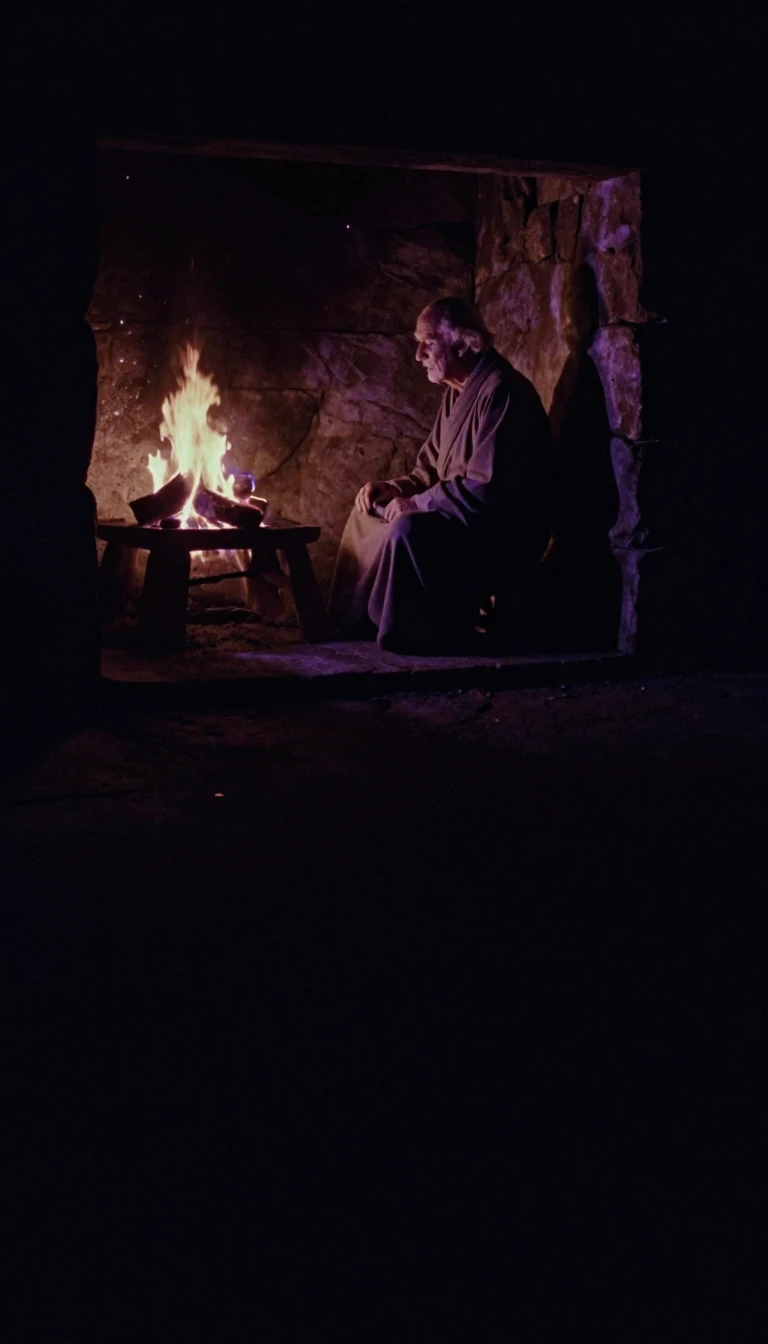
In short: The Gathas are the oldest texts of Zoroastrianism, consisting of seventeen hymns embedded within the Yasna liturgy. While traditionally attributed to Zarathushtra, modern scholars remain deeply divided over their authorship, original function, and meaning. These archaic verses offer a window into a world of nomadic pastoralism from the second millennium BCE.
The Gathas comprise five distinct poems, totaling 238 stanzas and 897 verses. Written in Old Avestan, they represent the oldest attestation of an Iranian language and a rare remnant of Indo-European literature. Because no manuscripts contain the Gathas in isolation, they are preserved only through their inclusion in larger liturgical texts like the Yasna. This long oral transmission, maintained by generations of priests, ensured high accuracy until the Sasanian period, when they were finally committed to writing.
The question of authorship remains a central point of contention. Nineteenth-century scholarship, beginning with Haug, established that the Gathas were linguistically more archaic than the rest of the Avesta, leading to the conclusion that they were the authentic work of Zarathushtra. While some contemporary scholars like Humbach and Hintze reaffirm this, others, such as Kellens and Skjærvø, argue that the way the prophet is presented in the text makes his authorship unlikely. There is currently no consensus.
Interpretation is equally debated. Early models viewed the Gathas as theological teachings infused with biographical details of Zarathushtra’s life. However, since Humbach’s work in 1959, many scholars have shifted toward a ritualistic framework, viewing the hymns as sacrificial songs directed toward the god Mazda. Because the corpus is small and contains many hapax legomena—words occurring only once—translating the Gathas is notoriously difficult. Every modern translation is essentially an interpretation, shaped by the scholar's chosen framework.
The Gathas describe a society centered on nomadic pastoralism, highlighting the importance of horses and Bactrian camels. They emphasize a cosmic struggle between Asha, representing truth and harmony, and Druj, representing deception. Despite their age, these texts continue to be recited in daily Zoroastrian liturgies, serving as a vital link between the faithful and the divine, even as their precise historical context remains elusive.
Opens the Intellect+ feed with this card first. Swipe up for the next one.
Sources
- Summary by Intellect · source: Gathas
To cite this card, link to https://intellectplus.co.uk/app/ideas-gathas.
How we source, check and correct cards: Editorial standards.
General information, not professional advice. Spotted an error? Flag the card or see corrections and complaints.
Intellect Plus is a visual educational discovery platform for exploring fascinating facts and ideas. Brain Food, Not Brain Rot. What is Intellect Plus?
Related
More in Other religions · More in Ideas & Philosophy · Latest · A–Z · All topics
