Ancient Greeks worshipped the dead as heroes to secure their cities and appease spirits
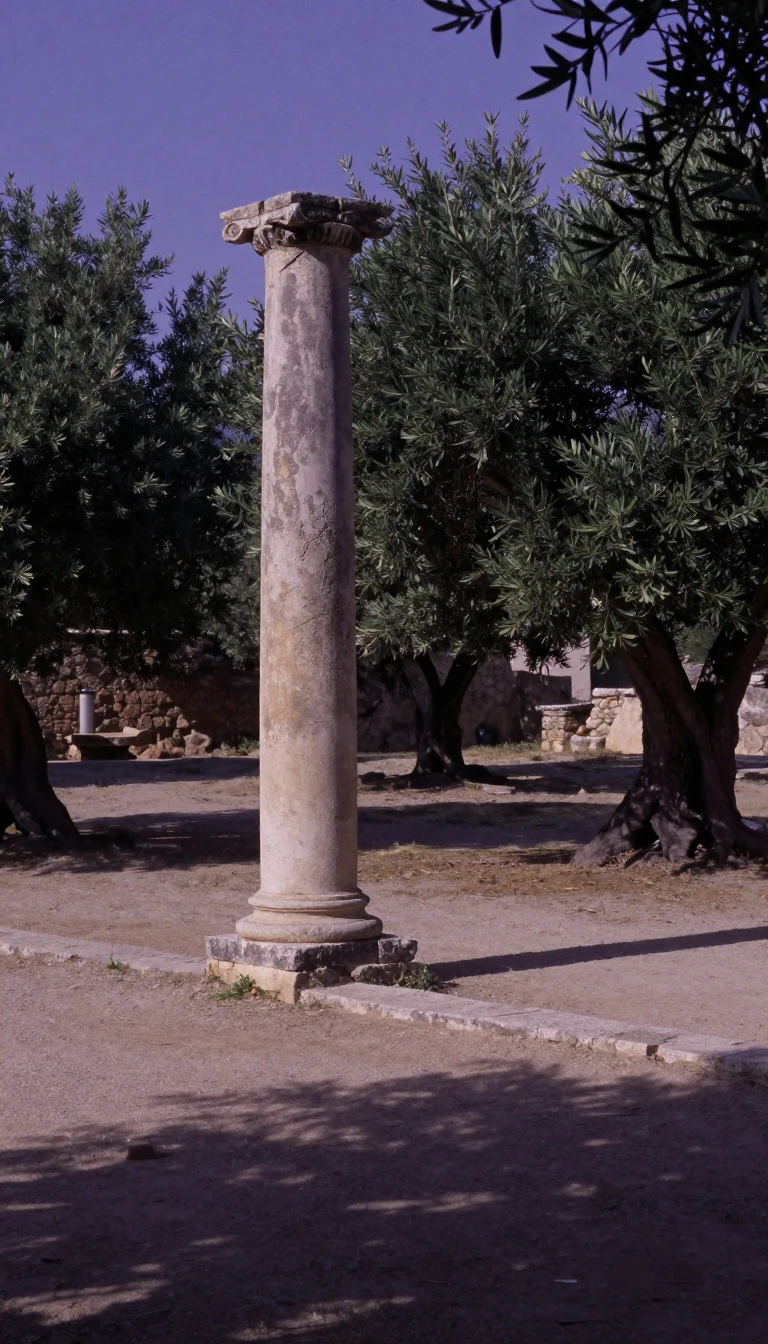
In short: In ancient Greece, hero cults were not just about honoring legendary figures; they were a strategic tool for state propaganda and a way to interpret mysterious Bronze Age ruins. By venerating the dead at specific burial sites, Greeks sought to secure divine favor and reinforce their territorial claims through ritual.
The concept of the Greek hero evolved from the mortal offspring of gods and humans into a broader category of deceased figures honored at specific shrines, or heroa. These sites were typically located at the hero's burial place. Unlike gods, heroes were considered earthbound, or chthonic, entities. Because they were believed to retain the partisan interests of their mortal lives, worshippers treated them with cautious reverence, fearing that neglect could invite misfortune or disease upon the community.
Scholars trace the origins of these cults to the Greek Dark Ages, between 1180 and 800 BC, following the collapse of the Mycenaean civilization. Pre-literate Greeks, encountering imposing Bronze Age ruins and burial mounds, invented an 'Age of Heroes' to provide meaning to these sites. As the polis emerged in the Archaic Age, these practices shifted from private, clan-based ancestor worship to civic affairs. City-states leveraged these cults for political ends, such as the 490 BC Marathon tumuli, where Athens honored fallen soldiers with chthonic rites to solidify civic identity.
Archaeologist James Whitley categorizes these cults into four types, ranging from the veneration of historical founders, such as Brasidas at Amphipolis, to the worship of legendary figures from the epic tradition, like Odysseus or Agamemnon. Other sites involved the ritualization of anonymous Mycenaean tombs, where the identity of the occupant was unknown. While hero cults were primarily male-focused, they often involved a cluster of female relatives. Although heroines were sometimes venerated, they were generally relegated to a lesser status within the patriarchal structure of Greek society.
Opens the Intellect+ feed with this card first. Swipe up for the next one.
Sources
- Summary by Intellect · source: Greek hero cult
To cite this card, link to https://intellectplus.co.uk/app/ideas-greek-hero-cult.
How we source, check and correct cards: Editorial standards.
General information, not professional advice. Spotted an error? Flag the card or see corrections and complaints.
Intellect Plus is a visual educational discovery platform for exploring fascinating facts and ideas. Brain Food, Not Brain Rot. What is Intellect Plus?
Related
More in Other religions · More in Ideas & Philosophy · Latest · A–Z · All topics
