How a lost Greek kingdom in Central Asia reshaped the ancient world
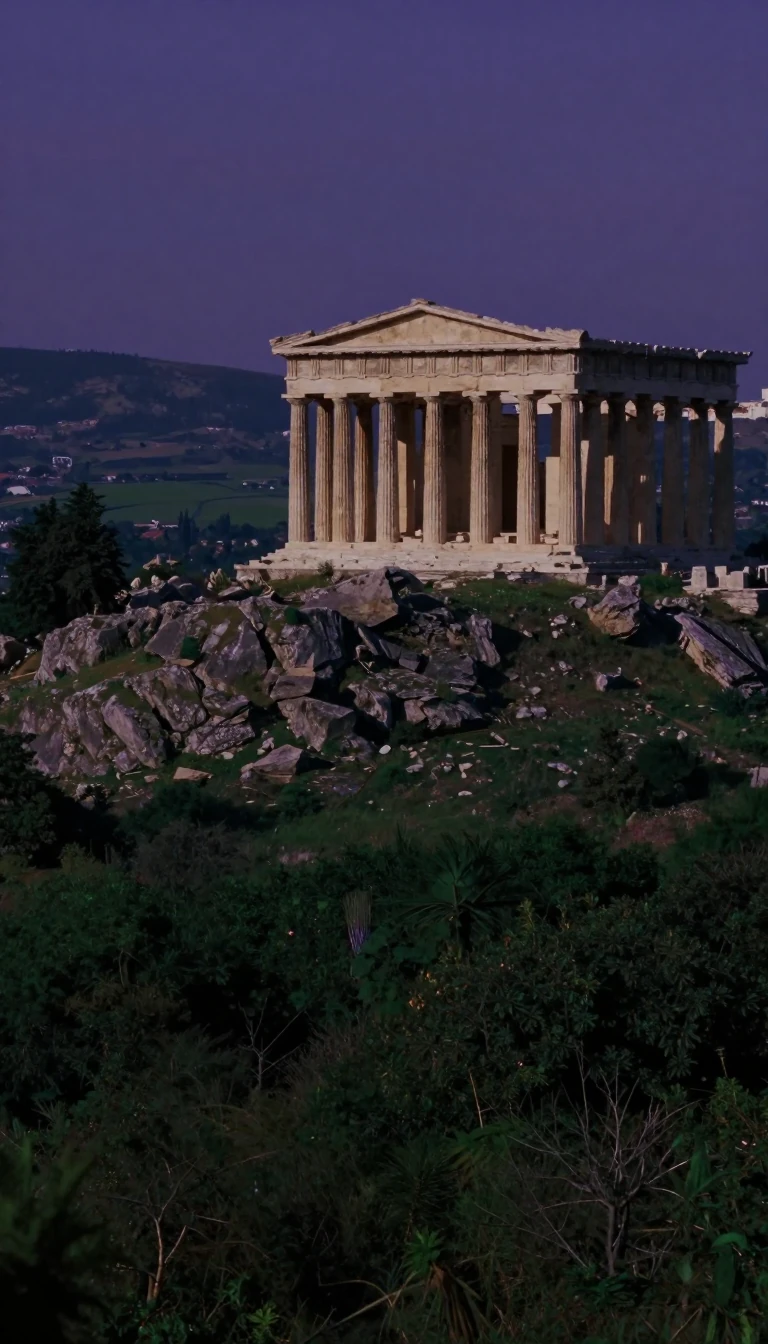
In short: Deep in the heart of Central Asia, a forgotten Hellenistic empire thrived for centuries. Founded by Greek colonists and governed by ambitious dynasties, this kingdom bridged the gap between the Mediterranean and India, leaving behind a legacy of syncretic art and culture that survived long after its political collapse.
The Greco-Bactrian Kingdom emerged in the 3rd century BC when Diodotus I, a Seleucid satrap, declared independence from the Macedonian empire. Located in modern-day Afghanistan and surrounding regions, this state became a bastion of Hellenistic culture. Its cities, such as Ai-Khanoum, featured classic Greek architecture, including theaters and gymnasiums, serving as outposts of Western influence in the East. The kingdom was remarkably prosperous, described by historians as the empire of a thousand cities, fueled by the fertility of the Oxus Valley.
Under the Euthydemid dynasty, the kingdom expanded aggressively. Demetrius I pushed into the Indian subcontinent, establishing the Indo-Greek Kingdom, which facilitated a unique cultural exchange. This era birthed Greco-Buddhist art, a fusion of Greek aesthetic sensibilities and Buddhist religious traditions. However, the kingdom faced constant pressure from nomadic tribes and internal strife. Eucratides the Great, who seized power in a coup around 171 BC, ruled a vast territory but faced relentless conflict. His reign ended in a brutal parricide, as he was killed by his own son, an act that signaled the beginning of the end for Greek rule in the region.
The kingdom’s decline was accelerated by the rise of the Parthian Empire and the migration of the Yuezhi people. By 120 BC, the Greco-Bactrian state had largely collapsed. Yet, its influence endured. The Yuezhi, who eventually settled in the region, adopted the Greek alphabet and incorporated Greek deities into their own pantheon, eventually forming the Kushan Empire around 30 AD. This enduring legacy highlights how the Greco-Bactrian Greeks were not merely isolated settlers, but active participants in shaping the cultural and religious landscape of Central Asia and India for centuries after their political power had vanished.
Opens the Intellect+ feed with this card first. Swipe up for the next one.
Sources
- Summary by Intellect · source: Greco-Bactrian Kingdom
To cite this card, link to https://intellectplus.co.uk/app/ideas-greco-bactrian-kingdom.
How we source, check and correct cards: Editorial standards.
General information, not professional advice. Spotted an error? Flag the card or see corrections and complaints.
Intellect Plus is a visual educational discovery platform for exploring fascinating facts and ideas. Brain Food, Not Brain Rot. What is Intellect Plus?
Related
More in Writers · More in Ideas & Philosophy · Latest · A–Z · All topics
