From sacred springs to garden follies, the grotto has shaped human spaces for millennia.
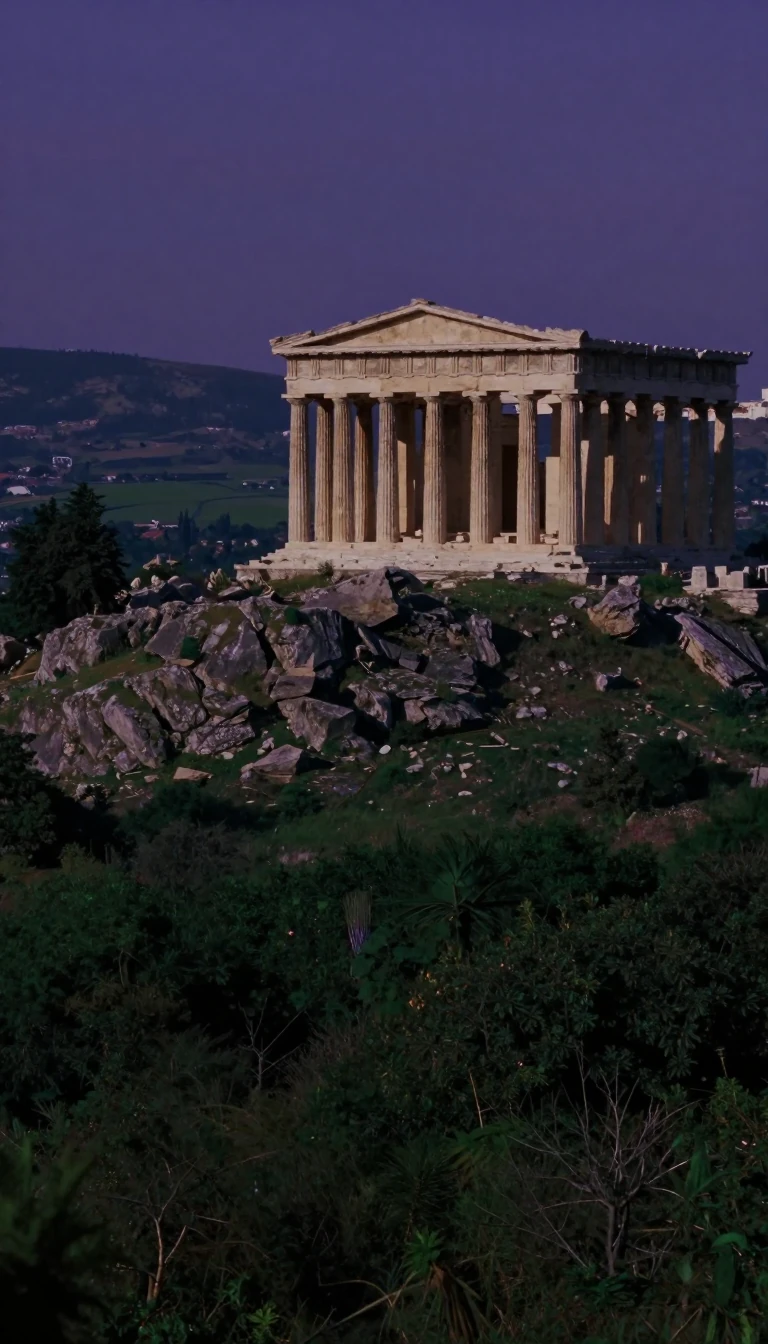
In short: A grotto is far more than a simple cave. Whether natural coastal recesses or elaborate Renaissance garden features, these structures have served as oracular sanctuaries, cooling retreats, and devotional shrines. From the ruins of Nero’s palace to modern architectural archetypes, the grotto remains a profound intersection of nature and artifice.
The term grotto traces its roots to the Latin crypta, but its cultural resonance began long before the Renaissance. In ancient Greece and Rome, natural grottoes were revered as dwelling places for divinities and essential components of oracular sanctuaries, such as those at Delphi and Corinth. At the Roman sanctuary of Praeneste, a natural grotto served as a sacred site for a local nymph, establishing the tradition of the watery nymphaeum. These spaces were not merely decorative; they were deeply integrated into urban and religious life, designed to evoke the mystery of the natural world.
During the Renaissance, the grotto evolved into a sophisticated garden feature. Architects like Giorgio Vasari and Bartolomeo Ammanati transformed these spaces into Mannerist masterpieces, incorporating water tricks, shells, and sculptures to surprise visitors. By the 18th century, the grotto became a staple of the English landscape garden, exemplified by Alexander Pope’s grotto at Twickenham and the complex chambers of Scott’s Grotto in Hertfordshire. These structures often utilized materials like flint, coloured glass, and shells to create immersive, temple-like interiors that offered a cool respite from the sun.
Beyond aesthetics, grottoes have served practical and devotional functions. In the Swiss region of Ticino, farmers historically exploited rock formations to create natural cellars for storing wine, cheese, and milk, utilizing subterranean air currents for cooling. Simultaneously, the grotto has remained a powerful religious symbol. Following the reported apparitions of the Virgin Mary to Bernadette Soubirous at Lourdes, replicas of that site have appeared in churches and institutions globally. Today, architects continue to reinterpret the grotto as a contemporary archetype, proving that this ancient form remains a vital, evolving element of human design.
Opens the Intellect+ feed with this card first. Swipe up for the next one.
Sources
- Summary by Intellect · source: Grotto
To cite this card, link to https://intellectplus.co.uk/app/ideas-grotto.
How we source, check and correct cards: Editorial standards.
General information, not professional advice. Spotted an error? Flag the card or see corrections and complaints.
Intellect Plus is a visual educational discovery platform for exploring fascinating facts and ideas. Brain Food, Not Brain Rot. What is Intellect Plus?
Related
More in Writers · More in Ideas & Philosophy · Latest · A–Z · All topics
