The Hawaiian Islands are a volcanic conveyor belt moving across the Pacific Ocean floor.
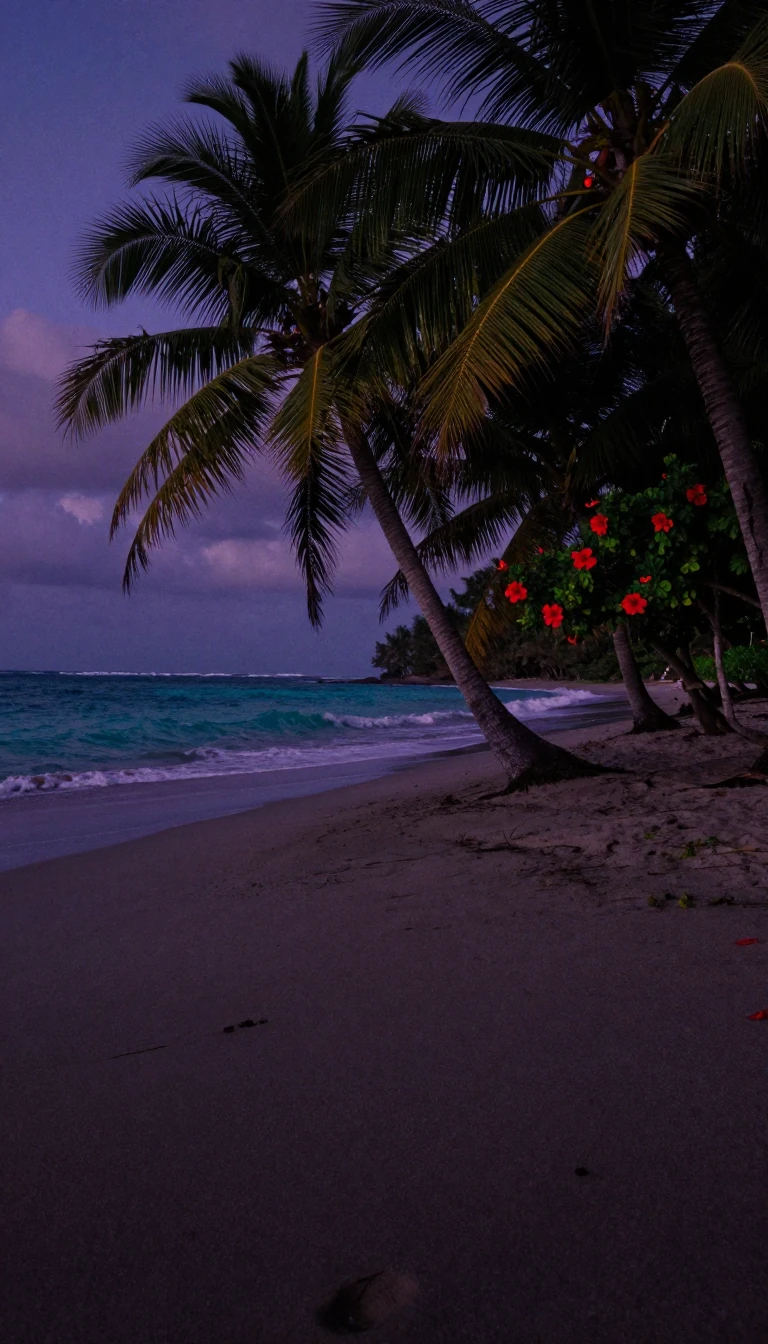
In short: Born from a stationary hotspot in the Earth's mantle, the Hawaiian archipelago is a chain of volcanic peaks shifting northwestward at about 32 miles per million years. As the Pacific Plate drifts, older islands erode and shrink, while new land rises from the sea in a cycle of constant geological transformation.
The Hawaiian archipelago consists of eight major islands and numerous islets, all sitting atop the Pacific Plate. This chain is essentially a series of volcanic peaks formed as the plate moves over a fixed hotspot. Because the plate is in constant motion, the islands are not static; the southeastern island, Hawaiʻi, is the youngest at approximately 0.4 million years old and remains volcanically active. In contrast, the northwesternmost Kure Atoll is the oldest, estimated at 28 million years, having been worn down by millions of years of erosion.
This geological process creates a unique environment where volcanic activity is the primary architect. The magma involved is typically basaltic and fluid, leading to Hawaiian-type eruptions rather than the explosive events seen elsewhere in the Pacific. However, this activity comes with significant risks. The pressure of rising magma and the weight of the islands themselves create immense stress on volcanic flanks, leading to frequent earthquakes and potential landslides. These events, occurring at relatively shallow depths, pose hazards to local infrastructure and can trigger tsunamis.
Beyond the geology, the islands have a complex human history. While early Polynesian settlers arrived between 300 and 1130 C.E., sustained European contact began in 1778 with James Cook. The subsequent unification of the islands under Kamehameha I in 1795 created a sovereign kingdom that later became a multi-ethnic society through waves of immigration. Today, the state of Hawaii manages this legacy, balancing the protection of its unique endemic species—many of which have faced extinction due to introduced species and monocultural farming—with the realities of living on a geologically active, isolated archipelago.
Opens the Intellect+ feed with this card first. Swipe up for the next one.
Sources
- Summary by Intellect · source: Hawaiian Islands
To cite this card, link to https://intellectplus.co.uk/app/ideas-hawaiian-islands.
How we source, check and correct cards: Editorial standards.
General information, not professional advice. Spotted an error? Flag the card or see corrections and complaints.
Intellect Plus is a visual educational discovery platform for exploring fascinating facts and ideas. Brain Food, Not Brain Rot. What is Intellect Plus?
Related
More in Writers · More in Ideas & Philosophy · Latest · A–Z · All topics
