Oʻahu: The volcanic gathering place that became the center of Pacific history
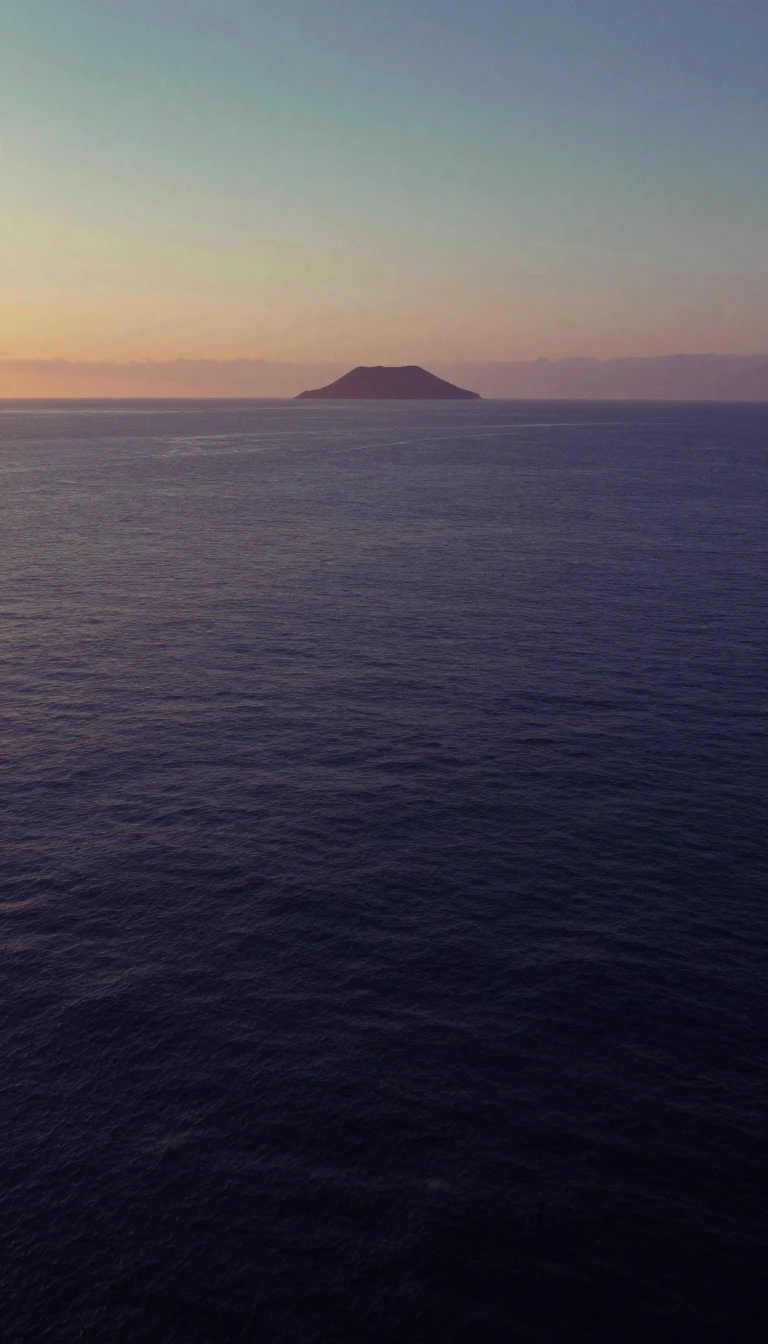
In short: Known as The Gathering Place, Oʻahu is the most populous island in Hawaii. From its origins as a volcanic hotspot four million years ago to its role in the 1941 attack on Pearl Harbor, this island has served as a pivotal stage for royal dynasties, global conflict, and modern tourism.
Formed from the remnants of two extinct shield volcanoes, the Waiʻanae and Koʻolau Ranges, Oʻahu began its emergence from the sea floor four million years ago. While early archaeological theories once suggested Polynesian settlement as early as the 3rd century A.D., contemporary analysis points to a more likely arrival window between 900 and 1200 A.D. The island eventually developed a complex political structure, beginning with the reign of Maʻilikūkahi, the first great king who initiated a dynasty lasting over three centuries.
The island's trajectory shifted dramatically in the late 18th century. After Captain James Cook’s expedition first sighted the island in 1778, and his successor Charles Clerke made the first recorded non-Polynesian landing in 1779, the island became a target for regional conquest. Kahekili II of Maui seized control in 1783, but the island was later unified under the Hawaiian Kingdom by Kamehameha I following the 1795 Battle of Nuʻuanu. By 1845, Honolulu had replaced Lahaina as the royal capital, eventually housing the ʻIolani Palace, the only royal residence on American soil.
Oʻahu’s modern identity is defined by its strategic and economic significance. The 1893 coup d'état against Queen Liliʻuokalani paved the way for annexation, leading to the island’s role as a major military hub. This culminated in the December 7, 1941, attack on Pearl Harbor, which claimed over 2,400 lives and drew the United States into World War II. Today, the island balances this heavy history with a massive tourism industry, hosting over five million visitors annually. Despite its modern development, the island retains natural extremes, including the record-breaking 247-day rain shower observed at Kāneʻohe Ranch between 1993 and 1994.
The name Oʻahu itself remains a subject of linguistic debate. While often translated as The Gathering Place, this interpretation was popularized by Thomas Thrum in 1922. Some scholars argue that the absence of the ʻokina in early records suggests the phrase might actually refer to a gathering of objects. Regardless of its etymology, the island remains the demographic heart of Hawaii, housing roughly 70% of the state's total population within its 596.7 square miles.
Opens the Intellect+ feed with this card first. Swipe up for the next one.
Sources
- Summary by Intellect · source: Oʻahu
- Also: Wikidata — Oahu · CC0
To cite this card, link to https://intellectplus.co.uk/app/places-o-ahu.
How we source, check and correct cards: Editorial standards.
General information, not professional advice. Spotted an error? Flag the card or see corrections and complaints.
Intellect Plus is a visual educational discovery platform for exploring fascinating facts and ideas. Brain Food, Not Brain Rot. What is Intellect Plus?
Related
More in Islands · More in Countries & Cities · Latest · A–Z · All topics
