The Big Island is a volcanic powerhouse that is literally growing beneath our feet.
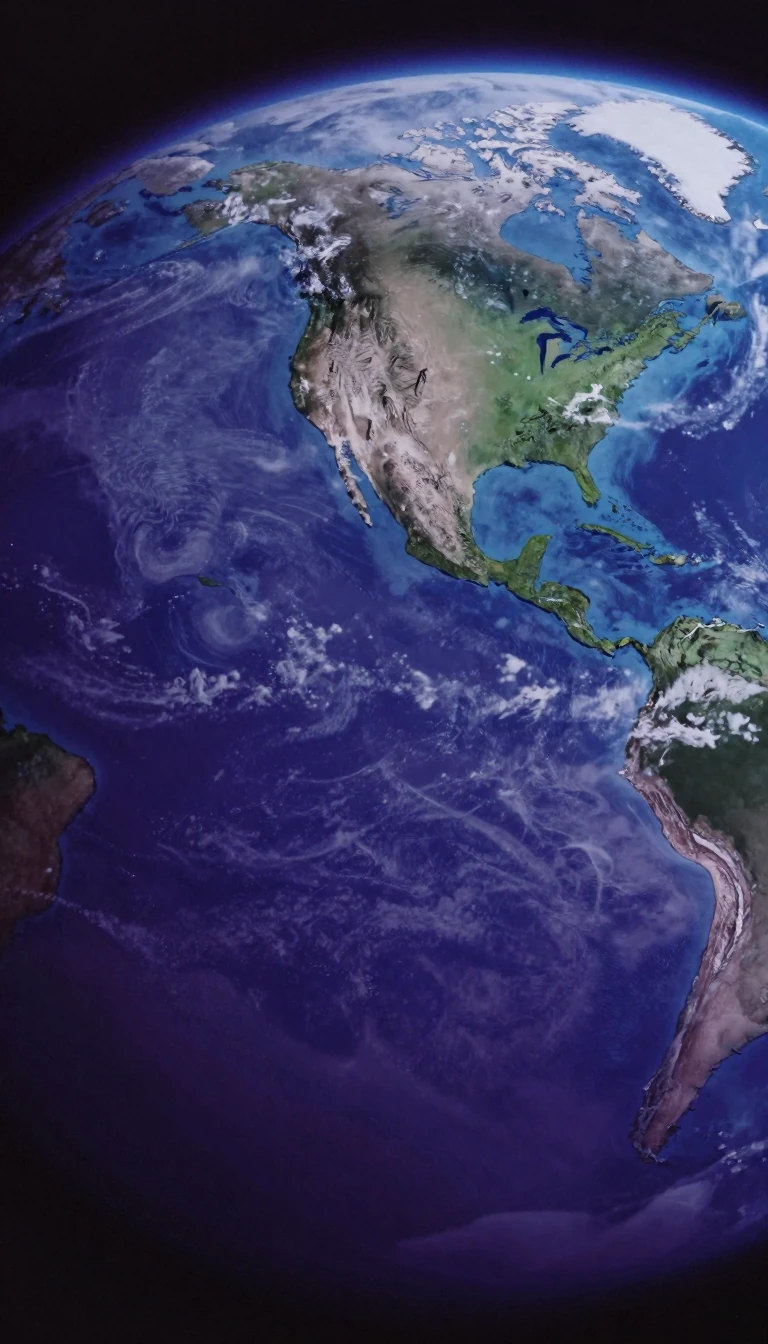
In short: Hawaiʻi is the largest island in the United States, yet it holds only 13% of the state's population. Built from five shield volcanoes, this massive landmass is constantly shifting, expanding through lava flows, and sliding toward the ocean, creating a landscape defined by both creation and destruction.
The island of Hawaiʻi, often called the Big Island to distinguish it from the state, covers 4,028 square miles, accounting for 63% of the archipelago's landmass. Its geological foundation is a series of five overlapping shield volcanoes. While Mauna Loa and Kīlauea remain active, the island is physically expanding; between 1983 and 2002, lava flows added 543 acres of new land, with another 875 acres added during the 2018 lower Puna eruption. This growth comes at a cost, as eruptions have repeatedly destroyed towns and infrastructure.
The island's geography is as volatile as its volcanoes. The Hilina Slump, a massive 4,760-cubic-mile section of Kīlauea's south slope, is slowly sliding toward the ocean at a rate of about 4 inches per year. This movement has triggered significant seismic events, including a 7.2 magnitude earthquake and a 48-foot tsunami in 1975. Beyond volcanic activity, the island is vulnerable to distant tsunamis, such as those from Alaska in 1946 and Chile in 1960, which caused severe damage to the town of Hilo.
Human history on the island is deeply tied to its landscape, from the legendary navigator Hawaiʻiloa to the unification efforts of aliʻinui ʻUmi-a-Līloa and later Kamehameha. Today, the economy has shifted from the defunct sugarcane industry to tourism, diversified agriculture, and high-tech research. The Natural Energy Laboratory of Hawaii Authority (NELHA) leverages the island's unique access to deep-sea water and sunshine, generating an economic impact of $87.7 million as of 2012. Meanwhile, the summit of Mauna Kea remains a global hub for astronomy, despite ongoing controversies regarding the management of its world-class observatories.
Opens the Intellect+ feed with this card first. Swipe up for the next one.
Sources
- Summary by Intellect · source: Hawaiʻi (island)
To cite this card, link to https://intellectplus.co.uk/app/places-hawai-i-island.
How we source, check and correct cards: Editorial standards.
General information, not professional advice. Spotted an error? Flag the card or see corrections and complaints.
Intellect Plus is a visual educational discovery platform for exploring fascinating facts and ideas. Brain Food, Not Brain Rot. What is Intellect Plus?
Related
More in Islands · More in Countries & Cities · Latest · A–Z · All topics
