Can physical breathing techniques lead to a direct experience of the divine light?
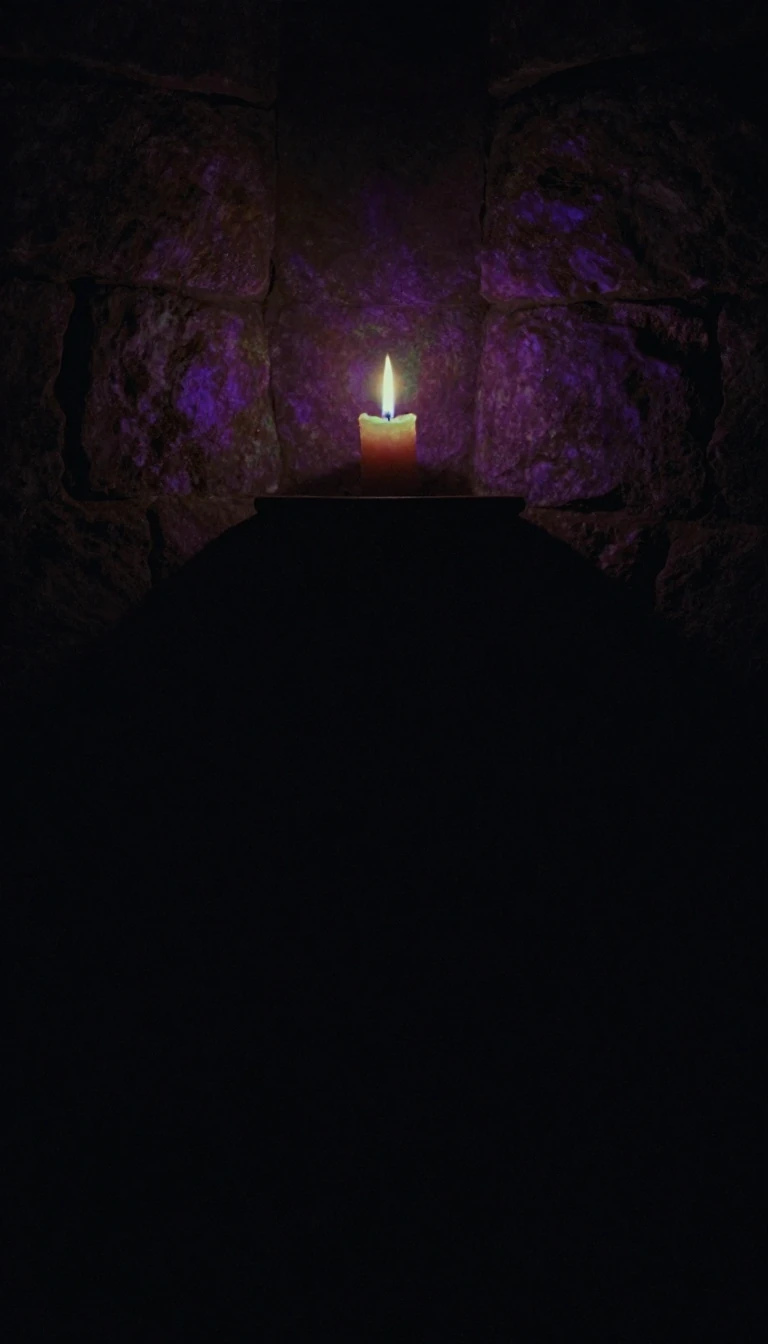
In short: Hesychasm is a centuries-old Eastern Christian tradition that seeks divine quietness through uninterrupted prayer. By involving the entire human being—mind, body, and soul—practitioners aim to reach a state of total attention. This mystical path, often centered on the Jesus Prayer, has sparked intense theological debate and profound spiritual devotion.
At its core, Hesychasm is a monastic practice defined by the pursuit of stillness, or hesychia. While the tradition draws from early Christian asceticism, it gained a specific, disciplined form in the 13th century. Practitioners often employ the Jesus Prayer, a repetitive invocation intended to unify the mind and heart. To deepen this focus, some monks adopted psychosomatic techniques, such as synchronizing their prayer with their breathing and fixing their gaze on the center of the body. This method, popularized by figures like Nicephorus the Hesychast, aimed to achieve a state of constant watchfulness.
This approach faced a fierce challenge in the 14th century from Barlaam the Calabrian. A proponent of Western Scholasticism, Barlaam viewed the physical methods of the monks as absurd, famously mocking them as people who kept their souls in their navels. He argued that their claims of perceiving a divine, uncreated light—the same light witnessed by disciples during the Transfiguration of Christ—were heretical. Barlaam feared this experience suggested a polytheistic division of God, contrasting sharply with his own intellectual and propositional understanding of theology.
The defense of Hesychasm fell to Gregory Palamas, a monk from Mount Athos. Palamas argued that the human body, sanctified by church sacraments, is capable of participating in prayer and experiencing the divine. He maintained that the light perceived by Hesychasts was indeed a genuine manifestation of God. His theological framework was eventually upheld by the Orthodox Church through a series of councils in Constantinople between 1341 and 1351. Today, the tradition remains vibrant, largely due to the Philokalia, a collection of writings that has preserved these teachings for centuries.
Opens the Intellect+ feed with this card first. Swipe up for the next one.
Sources
- Summary by Intellect · source: Hesychasm | Definition, History, Practice, & Facts | Britannica
- Also: Hesychasm
To cite this card, link to https://intellectplus.co.uk/app/ideas-hesychasm.
How we source, check and correct cards: Editorial standards.
General information, not professional advice. Spotted an error? Flag the card or see corrections and complaints.
Intellect Plus is a visual educational discovery platform for exploring fascinating facts and ideas. Brain Food, Not Brain Rot. What is Intellect Plus?
Related
More in Abrahamic religions · More in Ideas & Philosophy · Latest · A–Z · All topics
