Hindu texts are classified by whether they were heard or remembered by ancient sages.
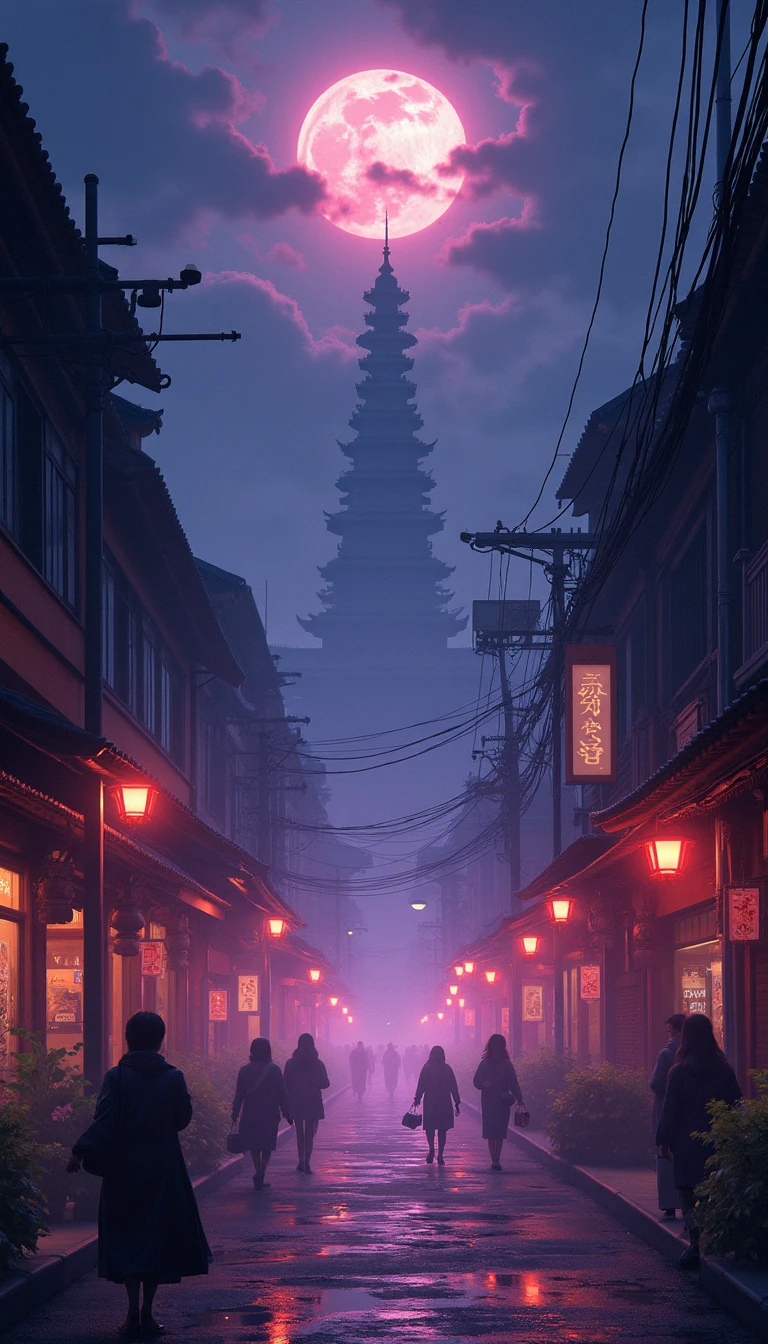
In short: Hinduism possesses a vast, diverse literary tradition that spans millennia, yet it lacks a single, simple definition. Instead, its scriptures are categorized into two distinct groups: the eternal, authorless revelations known as Shruti, and the derivative, human-authored works called Smriti, which encompass everything from epic poetry to technical scientific treatises.
The foundation of Hindu scripture is the Shruti, or 'that which is heard.' These texts are considered the most authoritative and are believed to be eternal, uncreated knowledge that was not authored by humans or deities, but rather perceived and transmitted by ancient sages. This canon is primarily composed of the four Vedas—the Rig, Sama, Yajur, and Atharva—along with their associated Samhitas, Brahmanas, Aranyakas, and Upanishads. Among these, the Upanishads are particularly influential, serving as the philosophical bedrock of Hindu thought by focusing on the nature of the Self, or Atman, and the Ultimate Reality, known as Brahman.
In contrast, the Smriti, or 'that which is remembered,' consists of texts attributed to specific authors and is viewed as secondary in authority. This vast corpus includes the great epics like the Mahabharata and the Ramayana, as well as the Puranas, which provide encyclopedic lore on deities, cosmology, and history. Smriti also covers specialized technical knowledge, ranging from law and ethics to architecture, physics, and political science. While the Shruti texts were composed in Vedic Sanskrit, the Smriti literature expanded over centuries into various regional languages, reflecting the evolving cultural and intellectual landscape of India.
For over a thousand years before they were committed to manuscripts, these texts were preserved through a rigorous oral tradition, memorized and passed down through generations. The earliest layer of this literature, the Rig Veda, dates back to approximately 1200 BCE. The complexity of this tradition is evident in the diverse subjects covered, from the ritualistic details found in the Brahmanas to the profound spiritual inquiries of the Upanishads. Today, these scriptures remain central to Hindu identity, continuing to shape religious practice, philosophy, and the cultural festivals that define the lives of millions.
The distinction between these two categories remains vital for understanding the tradition's internal hierarchy. While Shruti represents the timeless, impersonal core of the faith, Smriti functions as a living, adaptable library that has allowed Hindu culture to document its achievements in arts, science, and society. This dual structure has enabled the tradition to maintain a core of unchanging philosophical focus while simultaneously incorporating a wide array of human knowledge and historical narratives.
Opens the Intellect+ feed with this card first. Swipe up for the next one.
Sources
- Summary by Intellect · source: Hindu texts
To cite this card, link to https://intellectplus.co.uk/app/culture-hindu-texts.
How we source, check and correct cards: Editorial standards.
General information, not professional advice. Spotted an error? Flag the card or see corrections and complaints.
Intellect Plus is a visual educational discovery platform for exploring fascinating facts and ideas. Brain Food, Not Brain Rot. What is Intellect Plus?
Related
More in Traditions & customs · More in Cultures · Latest · A–Z · All topics
