How a feathered serpent deity became a bridge between ancient Mesoamerican civilizations
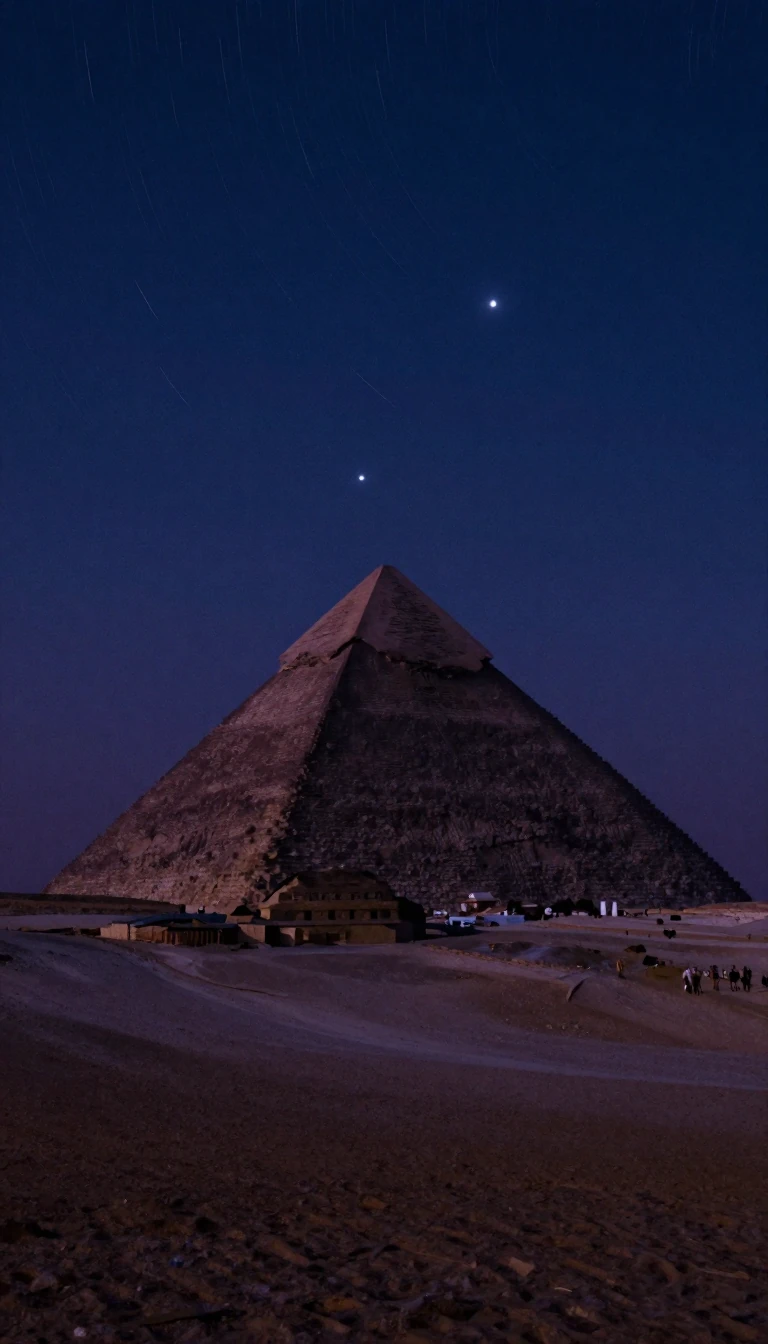
In short: Kukulkan is more than a mythological snake. Originating as a Classic Period Maya deity, this plumed figure evolved into a powerful symbol of trade and diplomacy. By transcending ethnic boundaries, the cult of the serpent helped unify disparate societies, leaving behind architectural marvels and enduring legends that persist today.
Kukulkan, the 'Plumed Serpent,' emerged from the Classic Period of Maya history. Initially known as the War Serpent, or Waxaklahun Ubah Kan, the deity was once a Vision Serpent—a spiritual messenger connecting kings to the divine. Over time, particularly at the city of Chichen Itza, the god’s role shifted. It became a territorial symbol, representing the divinity of the land itself rather than just a conduit for royal communication.
The cult of Kukulkan was unique in its ability to bridge linguistic and ethnic divides across Mesoamerica. By incorporating elements from the Quetzalcoatl religion of central Mexico—likely introduced by Putún Maya merchants from the Gulf Coast—the worship of Kukulkan facilitated peaceful commerce and political alignment. This influence spread from the Yucatán Peninsula to the Guatemalan Highlands and northern Belize, creating a shared religious framework that supported the Itza state's economic and political ambitions.
The distinction between the deity and historical figures remains a subject of scholarly debate. While 16th-century writers described Kukulkan as a human ruler or priest who appeared around the 10th century, earlier 9th-century texts at Chichen Itza depict only the divine serpent. This ambiguity has persisted, with the figure appearing in modern folklore as everything from a boy born as a snake to a monstrous entity. Today, the legacy of the Plumed Serpent continues to resonate, appearing in contemporary media ranging from comic books and video games to major cinematic universes.
Architectural evidence of this cult remains striking. At Chichen Itza, the pyramid known as El Castillo demonstrates the sophistication of these ancient builders. During the spring and fall equinoxes, the interplay of sunlight and the pyramid's nine steps creates a shadow effect that mimics a serpent descending the structure. This fusion of astronomy, engineering, and mythology underscores why Kukulkan remains a central figure in understanding the complex cultural landscape of the pre-Columbian world.
Opens the Intellect+ feed with this card first. Swipe up for the next one.
Sources
- Summary by Intellect · source: Kukulkan
To cite this card, link to https://intellectplus.co.uk/app/ideas-kukulkan.
How we source, check and correct cards: Editorial standards.
General information, not professional advice. Spotted an error? Flag the card or see corrections and complaints.
Intellect Plus is a visual educational discovery platform for exploring fascinating facts and ideas. Brain Food, Not Brain Rot. What is Intellect Plus?
Related
More in Mythology · More in Ideas & Philosophy · Latest · A–Z · All topics
