Did a second-century heretic accidentally create the modern New Testament canon?
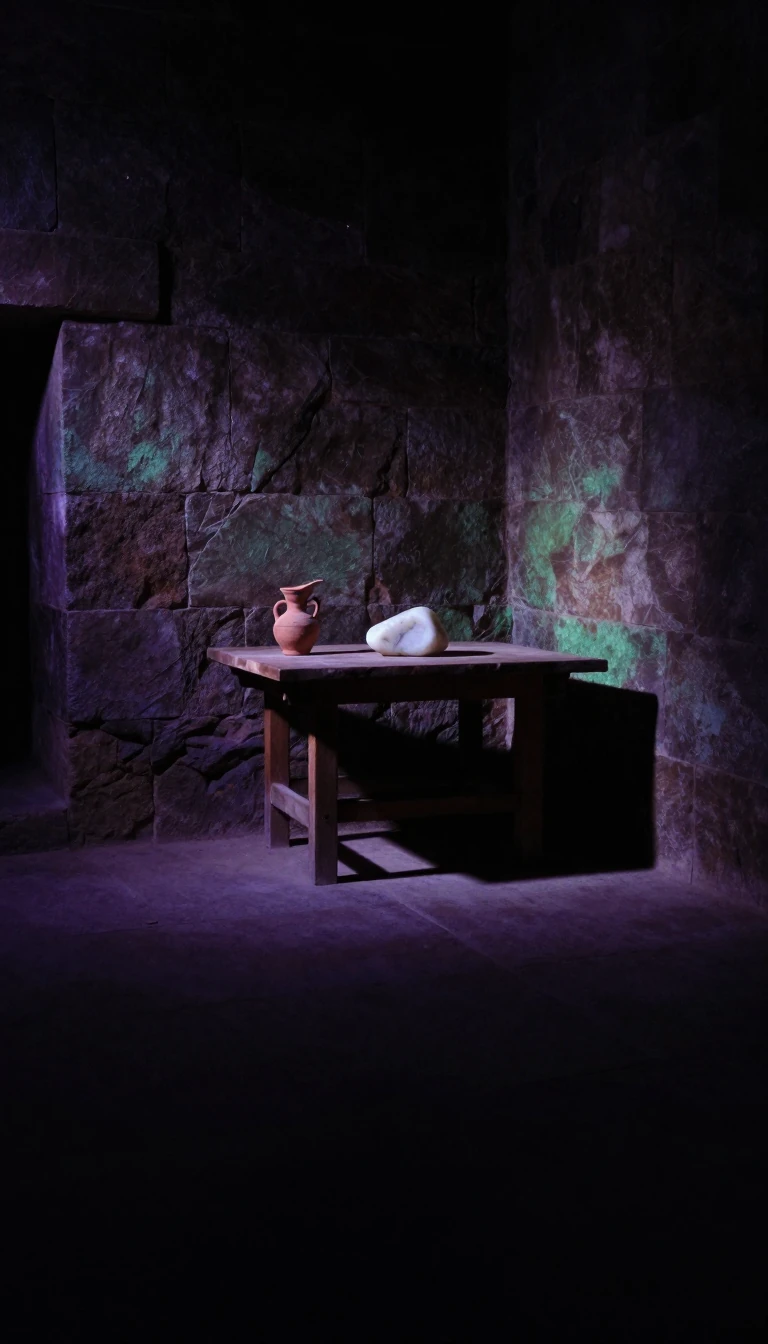
In short: Marcion of Sinope believed the God of the Hebrew Bible was a cruel, lesser deity, entirely distinct from the loving Father revealed by Jesus. By rejecting the Old Testament and curating his own collection of scriptures, he forced early Christian leaders to define their own canon in self-defense.
Around 144 AD, Marcion of Sinope arrived in Rome and began teaching a dualistic theology that would shake the foundations of early Christianity. He argued that the creator deity described in the Hebrew Bible—the Demiurge—was a wrathful, legalistic figure, fundamentally opposed to the supreme, merciful God who sent Jesus to save humanity. Because he viewed the ministry of Jesus as incompatible with the Old Testament, Marcion sought to strip away what he considered Jewish corruptions from the faith, elevating Paul the Apostle as the only reliable messenger of the true gospel.
To formalize his vision, Marcion compiled what is widely considered the first Christian biblical canon. His collection consisted of a modified version of the Gospel of Luke and ten letters attributed to Paul. By establishing this specific set of texts, Marcion compelled the emerging proto-orthodox Church to respond. Scholars like Adolf von Harnack have suggested that this pressure forced other Christian communities to articulate their own formal creeds and, crucially, to finalize the list of authoritative scriptures that eventually became the standard New Testament.
Marcionism was not merely a theological dispute; it was a rigorous, ascetic movement. Followers were expected to renounce marriage, meat, and wine, reflecting a deep rejection of the material world created by the Demiurge. Despite intense opposition from figures like Tertullian, the movement persisted for centuries. While the main organization faded under imperial pressure, evidence suggests that Marcionite communities survived in the Near East, particularly in the Sasanian Empire and Khorasan, as late as the tenth century.
The legacy of Marcion remains a subject of intense academic debate. While some scholars, such as G. R. S. Mead, have linked him to Gnosticism, others argue his reliance on scripture and rejection of secret wisdom set him apart. Whether he was a Gnostic or a radical reformer, his influence is undeniable. Even today, traces of his work persist in the prefaces to Pauline epistles found in ancient Latin codices, proving that his impact on the structure of Christian scripture was far more enduring than his detractors ever intended.
Opens the Intellect+ feed with this card first. Swipe up for the next one.
Sources
- Summary by Intellect · source: Marcionism
To cite this card, link to https://intellectplus.co.uk/app/ideas-marcionism.
How we source, check and correct cards: Editorial standards.
General information, not professional advice. Spotted an error? Flag the card or see corrections and complaints.
Intellect Plus is a visual educational discovery platform for exploring fascinating facts and ideas. Brain Food, Not Brain Rot. What is Intellect Plus?
Related
More in Religion and spirituality · More in Ideas & Philosophy · Latest · A–Z · All topics
