The Muratorian Fragment: An Ancient List That Helped Define the New Testament Canon
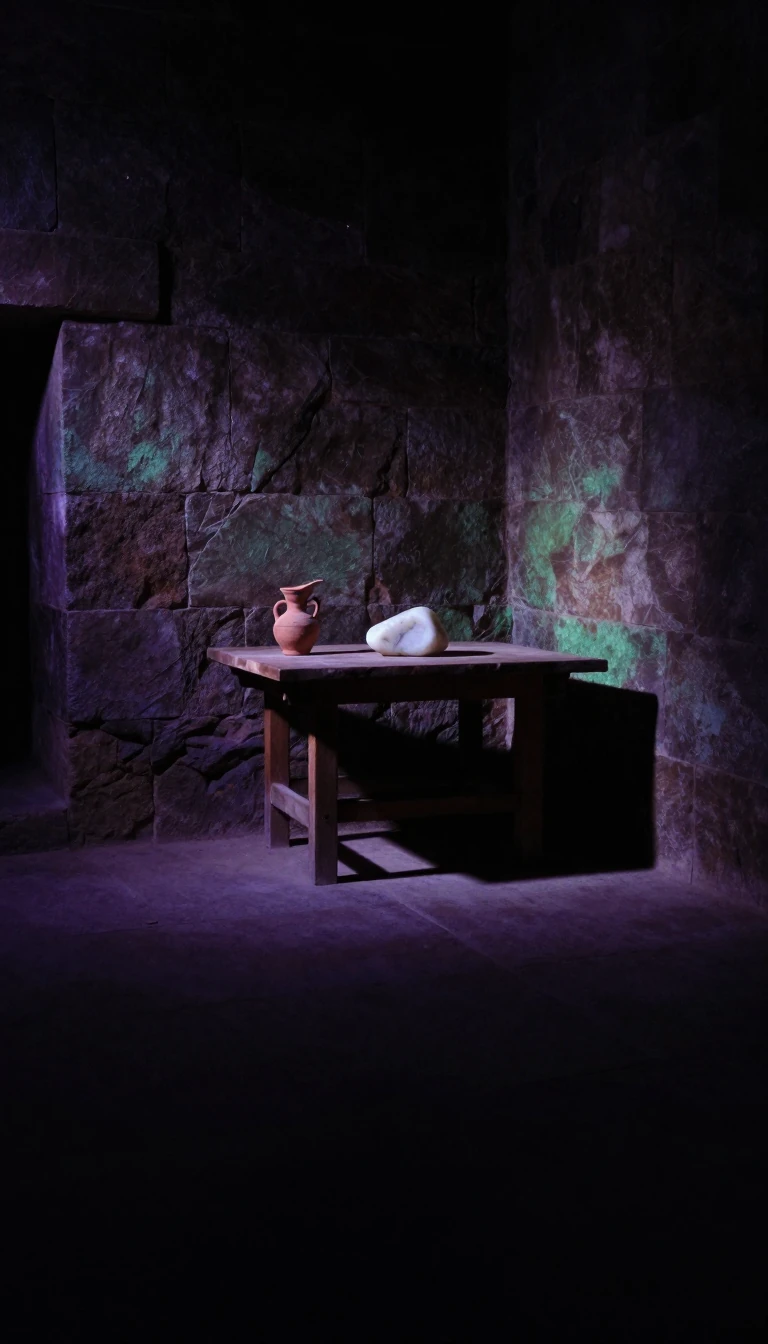
In short: Discovered in 1740, this damaged Latin manuscript offers a rare glimpse into the early Christian struggle to identify which sacred writings were truly authoritative. It remains a central piece of evidence in the long, complex history of how the Bible evolved from a collection of texts into a fixed canon.
The Muratorian Fragment is a late 2nd-century list of New Testament writings that early Christians regarded as canonical. Named after the Italian scholar Lodovico Antonio Muratori, who first published the manuscript in 1740, the text provides a window into a time when the concept of a definitive biblical canon was still in its infancy. The term canon itself derives from a Greek word meaning a measuring rod or rule, reflecting its role as a standard for faith. However, the process of determining which books belonged in this collection was far from simple, as the early Church had to navigate a variety of portraits and symbols presented across different texts.
While the fragment is traditionally dated to the second half of the 2nd century, its origins are subject to scholarly debate. The document is written in poor Latin, suggesting it may be a translation from a Greek original. Some historians point to the author’s reference to Pius I, bishop of Rome from 140 to 155, as evidence of a 2nd-century origin. Others, however, have proposed that the text could date to the 4th century, arguing that the reference to Pius might be a deliberate attempt to backdate the work. Despite these competing theories, the consensus among many scholars continues to favor the earlier 2nd-century dating.
The fragment is significant because it represents one of the earliest attempts to systematize approved Christian writings. It lists books the Roman church of that era considered authoritative, though it notably excludes works like the Epistle to the Hebrews. The existence of such lists highlights that the New Testament as we know it today—a fixed collection of 27 books—did not emerge until centuries later, following long periods of debate. The fragment serves as a reminder that the Bible was not a static creation, but rather the result of a long, evolving process of selection and interpretation that spanned generations.
Opens the Intellect+ feed with this card first. Swipe up for the next one.
Sources
- Summary by Intellect · source: Muratorian Fragment | Christianity, Latin Text, 2nd Century | Britannica
- Also: Muratorian fragment
To cite this card, link to https://intellectplus.co.uk/app/technology-muratorian-fragment.
How we source, check and correct cards: Editorial standards.
General information, not professional advice. Spotted an error? Flag the card or see corrections and complaints.
Intellect Plus is a visual educational discovery platform for exploring fascinating facts and ideas. Brain Food, Not Brain Rot. What is Intellect Plus?
Related
More in History · Latest · A–Z · All topics
