Why do millions of Christians end their most sacred service with a dismissal?
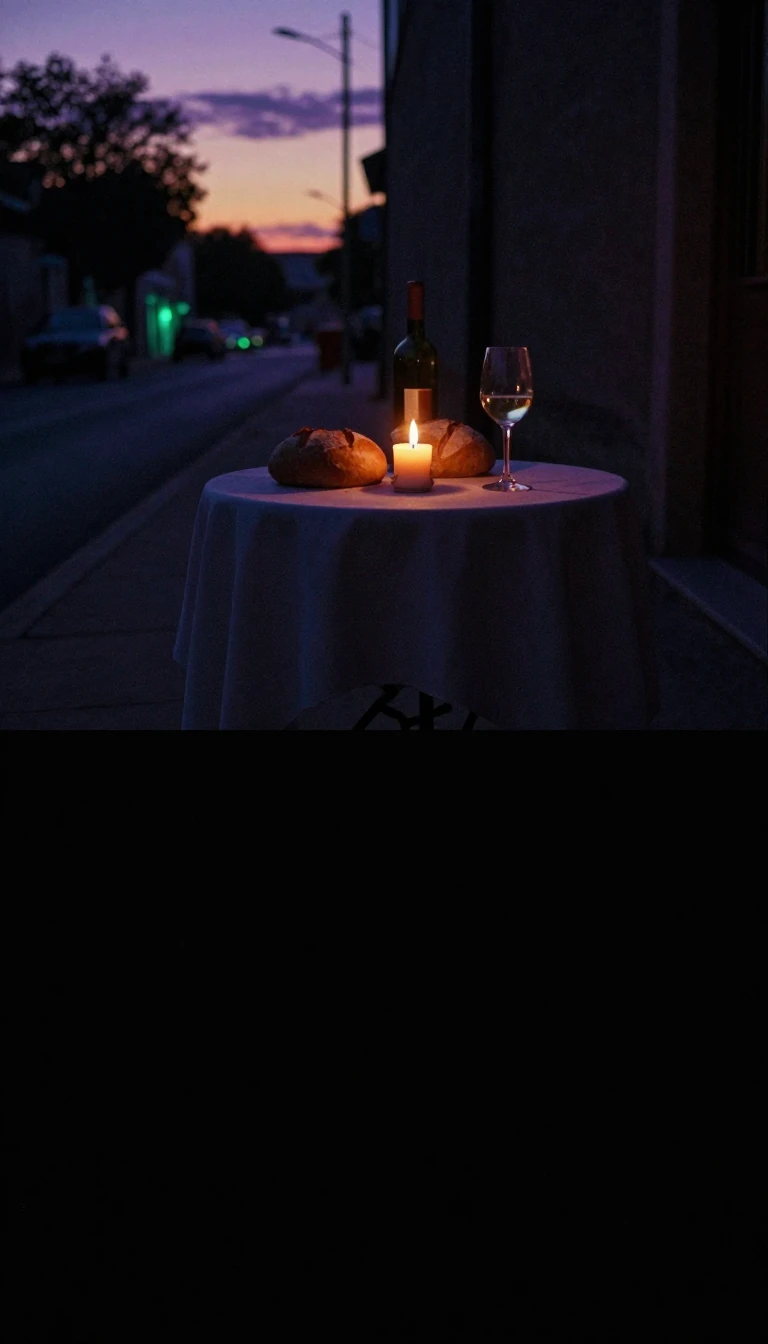
In short: The term Mass, central to Western Christian worship, is rooted in the Latin word missa. While often associated with the concluding command to depart, the word has sparked centuries of debate. From medieval theological interpretations to Reformation-era disputes, the name itself reveals a complex history of ritual, sacrifice, and community.
The English word Mass traces back to the Middle Latin missa, which appeared by the 6th century. Most scholars link it to the final liturgical formula, Ite, missa est, signifying that the dismissal has occurred. However, this etymology has faced historical challenges. In the 16th century, figures like Martin Luther and Johannes Reuchlin speculated that the term derived from the Hebrew matzah, meaning unleavened bread or oblation. Others, such as 9th-century writers of De divinis officiis, interpreted it through the verb mittere, suggesting it meant a sending forth toward God.
For the Catholic Church, the Mass is the summit of Christian life, structured into two primary segments: the proclamation of Scripture and the celebration of the Eucharist. The priest acts in persona Christi, recalling the Last Supper. While the Roman Rite follows a fixed structure, other traditions have adapted the service. Lutheranism, for instance, retains the Mass as a sacrifice of praise and thanksgiving, emphasizing the proclamation of the Gospel alongside the ceremony. The Augsburg Confession of 1530 explicitly defended the retention of the Mass, maintaining continuity with traditional forms.
Anglican and Eastern Orthodox traditions offer further nuance. Anglicans often use the term to signal specific theological leanings, with Anglo-Catholics favoring the name, while others prefer Holy Communion. Thomas Cranmer’s 1549 and 1552 revisions of the Book of Common Prayer shifted the underlying theology of the service, moving away from medieval concepts of sacrifice. Meanwhile, some Eastern Orthodox parishes utilize adapted Latin rites, such as the Divine Liturgy of St. Gregory, which incorporate specific dogmatic adjustments like the removal of the filioque clause and the use of leavened bread.
The persistence of these variations highlights how a single term can encompass diverse liturgical identities. Whether viewed as a propitiatory sacrifice or a communal thanksgiving, the Mass remains a focal point for reflection on the death and resurrection of Jesus. By examining these historical and denominational shifts, one gains insight into how ancient rituals continue to shape modern religious practice across the globe.
Opens the Intellect+ feed with this card first. Swipe up for the next one.
Sources
- Summary by Intellect · source: Mass (liturgy)
To cite this card, link to https://intellectplus.co.uk/app/culture-mass-liturgy.
How we source, check and correct cards: Editorial standards.
General information, not professional advice. Spotted an error? Flag the card or see corrections and complaints.
Intellect Plus is a visual educational discovery platform for exploring fascinating facts and ideas. Brain Food, Not Brain Rot. What is Intellect Plus?
Related
More in Traditions & customs · More in Cultures · Latest · A–Z · All topics
